XL Enclosed Stainless Steel Litter Box: High Walls + Lid
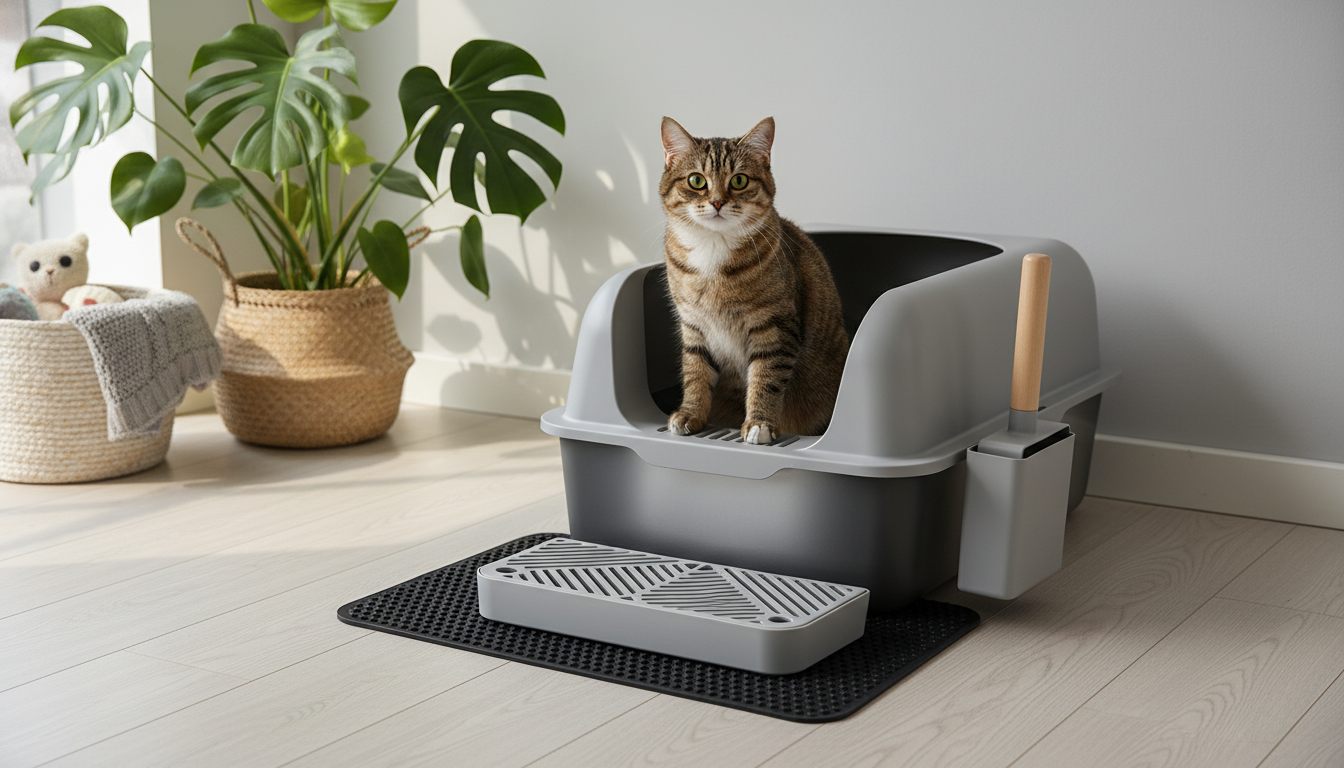
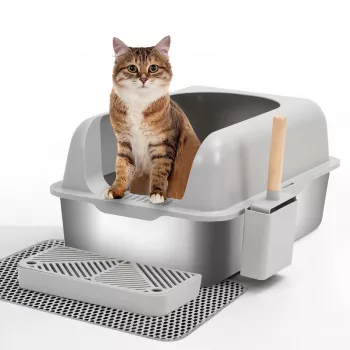
XL Enclosed Stainless Steel Cat Litter Box with High Walls & Lid for Big Cats
An enclosed stainless steel litter box with high walls and a lid is built for bigger cats, energetic diggers, and households that want less odor, less staining, and less scatter. Pairing a non-porous metal pan with a covered, high-sided structure helps keep mess contained while making daily scooping and periodic wash-downs more straightforward.
What Makes This Litter Box Different
- Stainless steel base: Resists lingering odor, staining, and the deep scratches that can trap residue over time.
- Enclosed design: Helps reduce visible litter mess and offers more privacy for cats that prefer covered boxes.
- High walls plus lid: Work together to block side-spray and keep kicked litter from traveling across the floor.
- XL footprint: Gives larger breeds more room to turn, squat, and cover comfortably.
- Multi-cat friendly: A strong option for homes with more than one cat when paired with an appropriate box-to-cat ratio.
Why Stainless Steel Can Improve Odor and Hygiene
Older plastic pans often develop microscopic grooves and dull areas where residue clings, even after scrubbing. Stainless steel stays smoother over time, which can make routine cleaning feel faster and help the area around the box smell fresher—especially in odor-sensitive homes.
- Non-porous surface: Urine and waste are less likely to soak in, which helps reduce persistent smells.
- Easier disinfection: Smooth metal tolerates thorough washing and pet-safe cleaners without absorbing residues.
- Long-term durability: Less warping and fewer deep scratches compared with many plastic pans.
- Helpful for sensitive noses: Many households notice a difference after switching from older, scratched plastic boxes.
- Better for frequent scooping: Clumps tend to release more cleanly from a smooth metal surface.
Stainless Steel vs. Plastic Litter Boxes (Practical Differences)
| Feature | Stainless steel pan | Plastic pan |
|---|---|---|
| Odor retention over time | Lower (non-porous surface helps prevent odor absorption) | Higher (scratches and pores can hold residue) |
| Stain resistance | High | Variable; can discolor |
| Durability | Strong; less likely to crack | Can crack or warp; scratches accumulate |
| Deep cleaning | Typically faster; wipes and rinses clean | May require extra scrubbing to remove film |
| Weight | Heavier; feels more stable | Lighter; easier to move |
Enclosed High-Wall Design: Containment Without Constant Cleanup
High walls and a lid are especially useful for cats that kick litter hard, “dig to China,” or urinate higher than expected. Instead of surrounding the box with shields and extra mats, the enclosure does more of the containment work for you.
- Less scatter: High sides reduce litter spray from digging and covering behaviors, especially with lightweight litter.
- Potentially less dust drift: A lid can reduce how much dust escapes into the room (depending on litter type and ventilation openings).
- Improved “miss” protection: Helpful for cats that face the wall, back up while peeing, or spray toward the sides.
- More privacy: Can lower stress for cats that prefer a covered space, particularly in busy or open-plan homes.
- Accessibility still matters: Keep the entry clear and avoid placing the box where another cat can “guard” the doorway.
Sizing and Comfort for Big Cats
Size is more than a convenience for large breeds—comfort and posture can affect whether a cat uses the box consistently. An XL interior gives cats room to turn fully, find a preferred stance, and cover without bumping into low sides.
- Room to move: XL interior space supports comfortable turning, squatting, and covering—key for long-bodied or heavy cats.
- Cleaner edges: High walls help contain litter for cats with a wide stance or cats that brace while covering.
- Stable base: A heavier pan can reduce sliding, which may help senior or hesitant cats feel safer.
- Mind the entry height: For older cats or short-legged breeds, ensure the step-in is manageable; a low step or soft mat can help.
Daily Use: Litter Choice, Mats, and Placement
The best setup combines the right litter with a smart location. Even the most contained box benefits from a tracking mat and a placement that keeps cats feeling secure.
For additional guidance on litter box setup and common issues, see resources from International Cat Care and the Cornell Feline Health Center.
Cleaning Routine That Keeps the Enclosure Fresh
Helping a Cat Switch to a Covered Stainless Box
For general cat care considerations and routines, the American Veterinary Medical Association (AVMA) is a reliable reference.
When This Style Is the Best Fit (and When It Isn’t)
In-Stock Picks to Upgrade Your Cat’s Setup
- XL Enclosed Stainless Steel Cat Litter Box with High Walls & Lid for Big Cats ($270.51)
- Multi-Functional Cat Tree with Litter Enclosure, Food Station & Storage ($291.51)
FAQ
Do stainless steel litter boxes really reduce odor?
They can help because stainless steel is non-porous and less likely to absorb urine or hold residue in scratches. Overall odor still depends on scooping frequency, litter choice, and how often the box is fully refreshed.
Will a covered, high-wall litter box stop litter tracking?
It can significantly reduce scatter from digging and side kicks, but it won’t eliminate tracking from litter stuck to paws. A large tracking mat and a low-dust litter formula usually make the biggest difference.
How do you clean an enclosed stainless steel litter box without damaging it?
Use warm water, mild soap, and a soft cloth or sponge, then rinse and dry completely. Avoid abrasive scrubbers and harsh chemicals, and wipe the lid and walls regularly to prevent film buildup.











Leave a comment