Plastic Strapping Names, Types, and PET Kit Basics

What is plastic strapping called?
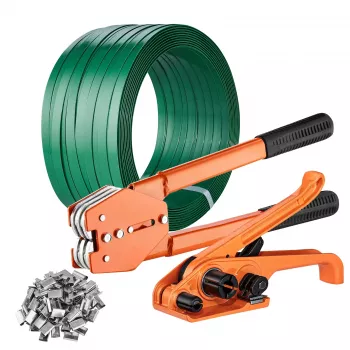
Plastic strapping is commonly called plastic strapping or plastic banding. The two main types are polypropylene (PP) strapping and polyester (PET) strapping. If you’re asking about the strap used with a manual PET kit, its specific name is PET strapping, also called polyester strapping.
PET strap is a strong, flexible packaging band used to secure bundled goods and pallet loads. It can be tensioned and sealed with compatible strapping tools. The right strap and tool depend on the load, how it will be handled, and the equipment you’re using.
How is PET strapping different from polypropylene strapping?
Both are plastic straps, but they’re not interchangeable in every application. PP strapping is often used for lighter-duty bundling and packaging. PET strapping is commonly chosen for heavier loads that need firm restraint during storage or transport. Follow the strap and tool specifications for the load rather than choosing by material name alone.
When using a manual kit, confirm that the strap width and thickness suit the tool. A strap that doesn’t fit the tensioner or sealer may not feed or seal properly. Use compatible seals or buckles as directed by the kit manufacturer.
What should you know before using a manual PET strapping kit?
Manual PET kits let you tension and secure a load without a powered strapping machine. Keep the strap flat and positioned around the load, then tension and fasten it according to the tool instructions. Avoid placing hands in the path of a tensioned strap, and keep people clear when cutting it because the strap can recoil.
For a step-by-step overview of using a manual kit, read our guide to manual PET strapping for tight loads without power. Our team recommends matching the strap, fastening method, and tool to the load so the finished bundle stays secure without relying on an incompatible setup.
FAQ
How do you tension PET strapping by hand?
Feed the PET strap through a compatible manual tensioner and around the load, then operate the tool as directed to tighten it. Secure the strap with the kit’s specified fastening method, and stand clear when cutting the tensioned band.















Leave a comment