Divide Your Paycheck: Simple Buckets to Save More
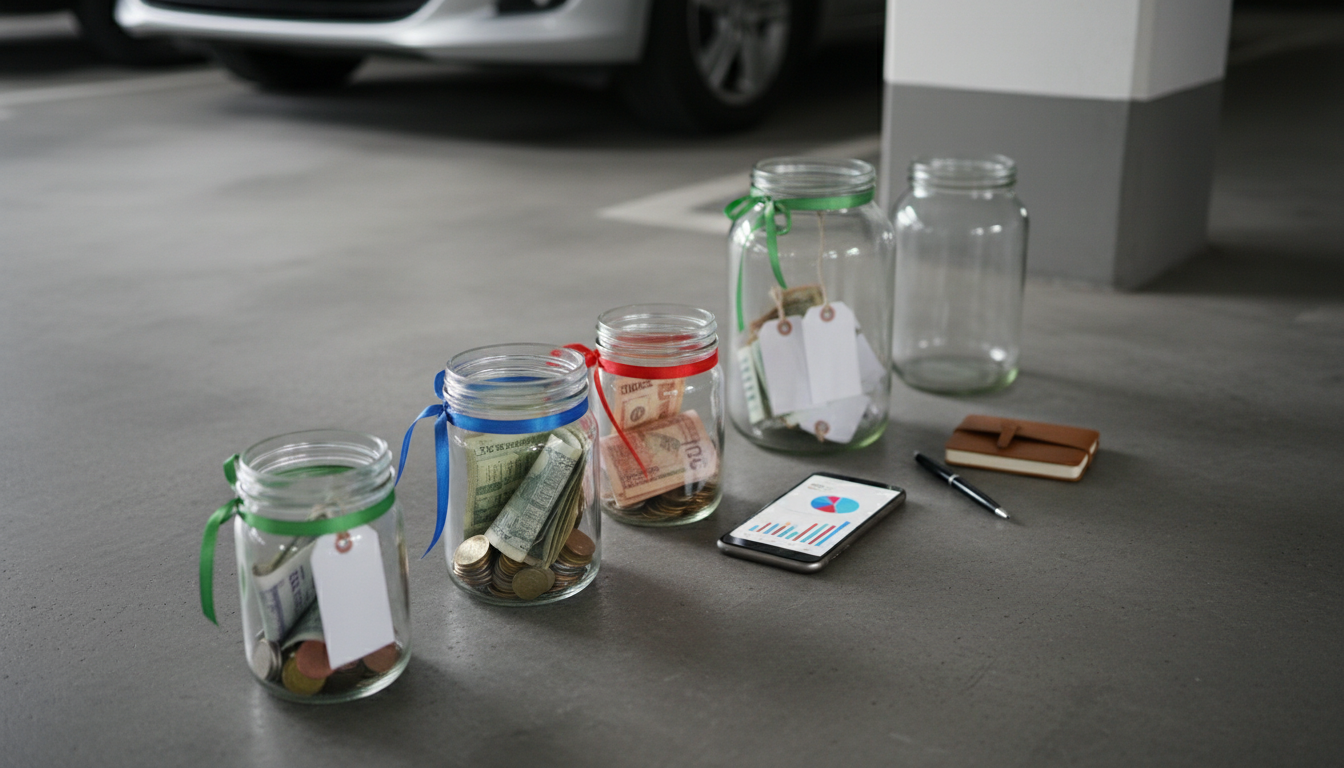
How to divide your paycheck to save money
Dividing your paycheck into a few simple “buckets” makes saving automatic instead of optional. The goal is to pay your future self first, cover essentials without stress, and still leave room for everyday life.
1) Start with automatic saving (10%–20%)
Set a fixed percentage of every paycheck to move to savings the moment you’re paid. If you’re building a starter emergency fund, begin with 10% and increase by 1%–2% each month until you reach 15%–20%. Use a separate high-yield savings account so the money is less tempting to spend.
2) Cover essentials next (50%–60%)
Put your non-negotiables in one bucket: rent/mortgage, utilities, groceries, insurance, minimum debt payments, and transportation. If essentials regularly exceed 60%, focus on a single lever at a time (housing, car, or subscriptions) rather than trying to “cut everything” at once.
3) Plan for flexible spending (20%–30%)
This bucket is for dining out, personal care, entertainment, and smaller lifestyle choices. A practical approach is to give yourself a weekly limit so you don’t accidentally spend the whole month’s flexible money early.
4) Add a debt-paydown or goal bucket (optional 5%–15%)
If you have high-interest debt, carve out an extra portion beyond minimums and send it immediately. If debt isn’t a priority, use this bucket for sinking funds (car repairs, gifts, travel) to avoid relying on credit cards later.
Make it easy: use a calm paycheck system
The simplest setup is a paycheck “split” across accounts: one for bills, one for spending, and one for savings/goals. For a step-by-step version you can copy, follow the full guide here: https://uniqualle.com/guide-calm-paycheck-system-budget-your-salary/.
FAQ
What is a sinking fund and why should I use one?
A sinking fund is money set aside for planned upcoming costs like annual insurance, holidays, or car maintenance. It prevents surprises from turning into credit card debt and makes irregular expenses feel predictable.















Leave a comment