Fast Track Freedom: Financial Independence Ideas

Financial independence can mean different things to different people. For you, it might be the flexibility to work fewer hours, change careers, or spend more time on priorities outside your job. Whatever your goal, getting there takes planning, time, and choices that suit your circumstances.
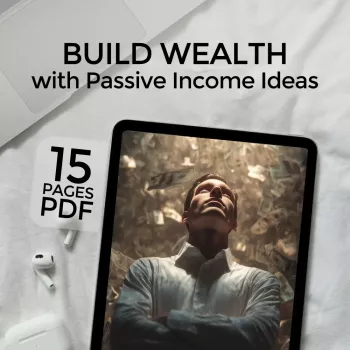
Fast Track Freedom is a digital eBook for readers interested in financial independence, passive income, and smart living. We offer it as a starting point for exploring fresh ideas—not as a promise that financial freedom happens quickly or follows the same path for everyone.
What Fast Track Freedom Offers
The Fast Track Freedom digital eBook introduces seven unusual approaches to accelerating financial independence. It may appeal to you if you want to reconsider your money habits, explore potential income opportunities, or find a different perspective on your long-term goals.
The listed price is $20.99 USD. Visit the product page for current purchase details, including availability and pricing.
As you read, treat each idea as a prompt for thoughtful evaluation. An approach that sounds attractive in general may not fit your budget, schedule, or comfort with risk. You can take useful questions from your reading without feeling obligated to act on every possibility.
Connect Financial Independence to Everyday Choices
Financial independence means having enough resources to support your desired lifestyle with less reliance on active work. Those resources could include savings, investments, or other sources of income. The amount you need depends on your expenses, responsibilities, and goals.
Start by describing what independence would look like for you. Do you want more flexibility in your current job, a cushion for a career change, or the ability to cover essential expenses without a paycheck? A clear goal makes it easier to decide which opportunities deserve your attention.
Next, review your spending. Look at recurring bills as well as occasional purchases, and consider which expenses genuinely support your priorities. Smart living does not have to mean eliminating everything you enjoy; it can mean making room for those things deliberately.
For example, if outdoor exercise is important to you, our lightweight 3L cycling backpack is one possible purchase to weigh against your budget and intended use. A considered purchase can fit a financial plan when it serves a real need and leaves room for your other commitments.
Before committing money to a new idea, work toward an emergency fund for unexpected expenses. The Consumer Financial Protection Bureau’s emergency fund guide offers a practical introduction to building one. Even a modest reserve can help you handle a surprise without immediately relying on debt.
It also helps to be realistic about passive income. “Passive” does not mean guaranteed or effortless: an opportunity may require upfront capital, substantial setup, ongoing work, or a combination of all three. Income can fluctuate, and some ideas may not earn enough to cover their costs.
Put Ideas Into Perspective
When a financial idea catches your attention, pause before deciding whether to pursue it. Write down what you would need to invest, what you reasonably hope to gain, and what might happen if things do not work out. Then compare those answers with your current obligations and longer-term goals.
| Consideration | Question |
|---|---|
| Upfront cost | How much money can I afford to commit? |
| Time | What setup and ongoing work might be needed? |
| Risk | What could I lose, and can I manage that loss? |
| Fit | Does this support my priorities and financial situation? |
Include less obvious costs in your assessment, such as fees, equipment, subscriptions, or the time you would spend learning. If a possible loss would make it difficult to pay essential bills, that is an important signal to reconsider. For a broader explanation of the relationship between risk and potential returns, see Investor.gov’s guide to risk and return.
Make the Most of Your Reading
Keep a short list of ideas that connect with your goals, along with questions you need to investigate. You might note what attracts you to an idea, what it could cost, and what information you still need before making a decision.
Choose one manageable next step rather than trying everything at once. That step could be reviewing your monthly expenses, researching a question, or setting a savings target. Give yourself a date to review your progress and adjust your plan if your circumstances change.
When a decision involves significant risk or personal tax considerations, consult a qualified financial professional. They can help you consider the details of your situation rather than relying on a general example.
Explore Fast Track Freedom
If you want a new perspective on financial independence and smart living, our team invites you to explore Fast Track Freedom. Check the product page for current availability and price, then decide whether it belongs in your reading plans.
FAQ
What is Fast Track Freedom about?
Fast Track Freedom is a digital eBook centered on seven unusual ways to approach financial independence, passive income, and smart living.
Does the eBook guarantee passive income?
No. Income and financial outcomes are not guaranteed; results depend on your circumstances and the actions you take.
How much does Fast Track Freedom cost?
The listed price is $20.99 USD. Visit the product page for current pricing.















Leave a comment