Why Bike Cranksets Cost So Much: Materials & Precision
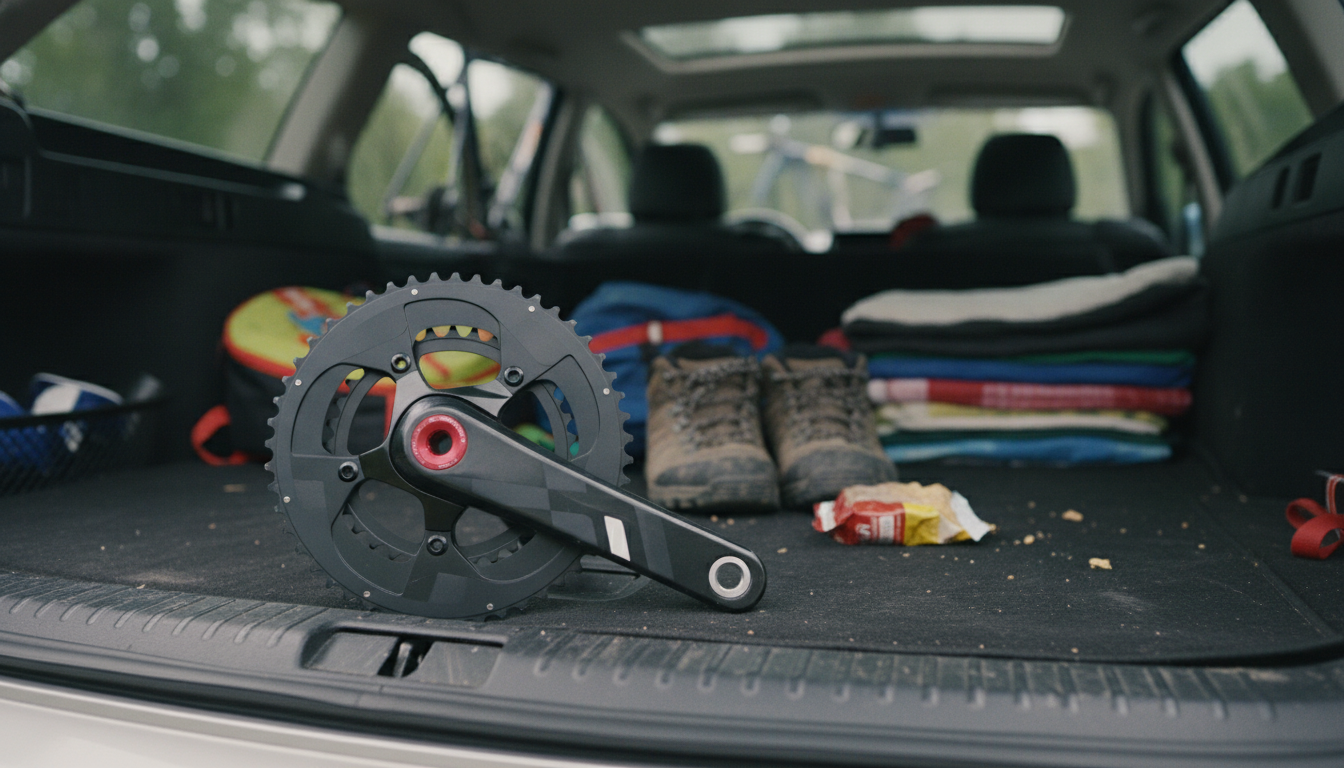
Why are bike cranksets so expensive?
Bike cranksets can look simple, but they’re one of the most highly engineered assemblies on a bicycle. Price often reflects materials, manufacturing precision, drivetrain compatibility, and the durability riders expect under constant torque, impacts, and weather.
Materials and construction drive the baseline cost
Higher-end cranksets use forged or hollow-formed aluminum, carbon fiber layups, or premium alloys to reduce weight while staying stiff. Those processes require expensive tooling, quality control, and—especially for carbon—time-intensive manufacturing. Even within aluminum, a well-designed hollow arm costs more to produce than a solid, basic arm.
Tight tolerances and complex interfaces add expense
The crankset connects to the bottom bracket spindle, chainrings, chain, and often a power meter. Small tolerance errors can cause creaks, poor shifting, accelerated wear, or unsafe loosening. Modern designs also include intricate interfaces (direct-mount chainrings, proprietary spindles, preload systems) that demand precision machining and rigorous testing.
Integrated features raise the price quickly
Many cranksets now bundle features that used to be separate purchases: direct-mount chainring systems, modular spider options, and power meter readiness or integration. Each added feature increases design complexity and the number of parts that must fit perfectly together.
Brand ecosystems and compatibility can limit low-cost options
Drivetrain standards vary by manufacturer and discipline (road, MTB, gravel, e-bike). Matching chainline, spindle length, ring sizes, and shifting systems can narrow choices and reduce economies of scale. That’s why a replacement crankset for a specific setup can cost more than expected.
Small hardware can matter more than it seems
Even “minor” components like crank bolts, chainring bolts, and protective covers affect longevity and appearance. If you’re refreshing worn or mismatched fasteners, see the fit and installation details in this guide to multicolor aluminum crank cover screws for a straightforward way to finish the job cleanly.
FAQ
What’s the difference between a crankset and a bottom bracket?
The crankset is the arms and chainring system that turns the drivetrain, while the bottom bracket is the bearing system inside the frame that the crank spindle rotates on. They must be compatible by spindle type and shell standard.














Leave a comment