Giant Cat Tree Size Guide: Best Fit for Bigger Cats
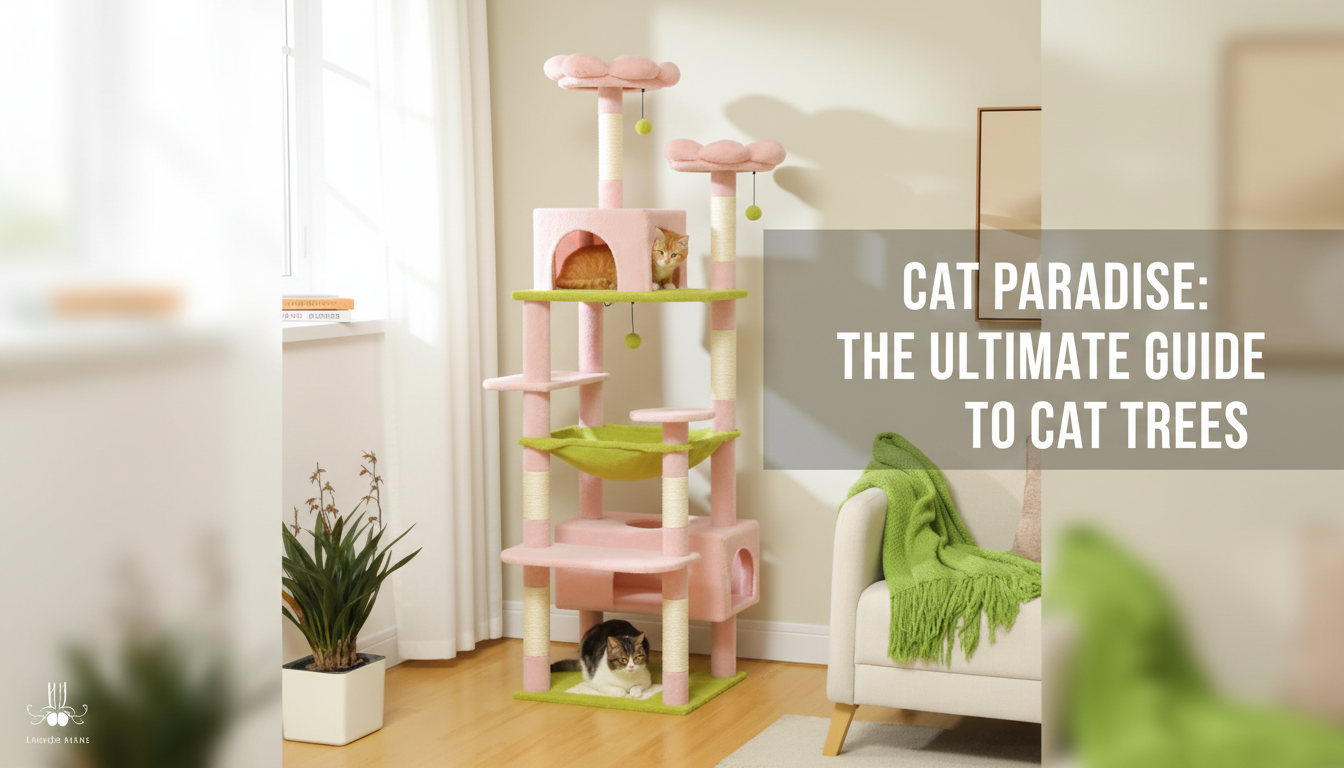
What size cat is a giant cat tree for?
A giant cat tree is best for medium-to-extra-large adult cats, multi-cat homes, and any cat that needs more room to climb, stretch, and lounge without wobble. As a practical target, look for a tree built to comfortably support cats in the 12–20+ lb range, with wide platforms and sturdy posts that won’t flex when a bigger cat jumps.
When “giant” makes the biggest difference
Big cat trees aren’t only about height. They’re about usable space and stability. If a cat routinely looks cramped on standard perches, slips off small hammocks, or makes a typical tree sway during play, a giant model is usually a better fit. Larger trees also help in multi-cat households by adding multiple resting spots, which can reduce competition for the “best seat.”
How to match the tree to your cat’s body size
Instead of focusing only on weight, consider proportions. Long-bodied cats and broad-chested cats need longer platforms and larger cubbies. Look for extra-wide perches (roughly 16–20 inches or more), roomy condos, and thick support posts (often 4 inches or wider). A heavier base and strong joints matter just as much as the stated weight capacity, especially for cats that launch themselves onto the top level.
Good fits: from big boned to highly active
A giant cat tree is a strong choice for Maine Coons, Ragdolls, and other large breeds, but it also suits athletic average-size cats that climb hard, sprint up ramps, or wrestle with a housemate on the upper platforms. The added footprint makes it easier to include wider steps, multiple scratching zones, and more than one “escape route” between levels.
What to look for so it stays stable
Prioritize a wide base, thick posts, and platforms that are securely fastened. If you want a deeper checklist for sturdiness, materials, and setup tips, see the full guide here: stable cat tree tower for indoor cats.
FAQ
How do I know if a cat tree is stable enough?
Choose a model with a wide, heavy base, thick support posts, and platforms that don’t flex when you press down with your hand. For tall trees, anchoring or positioning it against a wall can add extra confidence, especially for jumpy or heavier cats.














Leave a comment