Softest Leather for Handbags: Lambskin vs Nappa

What is the softest leather for a handbag?
If “softest” means the most supple, drapey feel in the hand, lambskin is widely considered the softest leather used for handbags. It’s naturally fine-grained, lightweight, and flexible, so it breaks in quickly and feels buttery right away.
Why lambskin feels softer than most leathers
Lambskin comes from younger animals and has a thinner, tighter fiber structure than many other hides. That combination creates a smooth surface and a gentle “give” when you press it—especially compared with sturdier leathers like cowhide or saffiano, which are made (or finished) to hold shape.
Other very soft handbag leathers
If you want softness but need a bit more everyday durability, these options often land in the sweet spot:
Calfskin (nappa): Nappa-finished calfskin can feel nearly as plush as lambskin, with better resistance to stretching and wear.
Goatskin: Often pebbled and naturally resilient; it can feel soft while still standing up to frequent use.
Deerskin: Exceptionally supple and cushy, though less common and sometimes more prone to scuffing depending on finish.
Softest doesn’t always mean best for your lifestyle
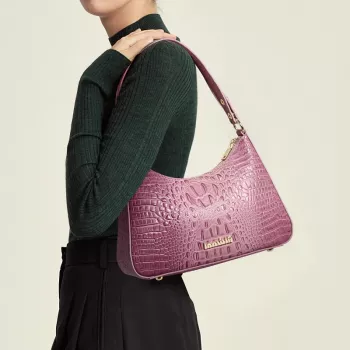
Ultra-soft leathers tend to show scratches, color transfer, and corner wear more quickly. If you carry your bag daily, consider a soft leather with a protective finish, a structured silhouette, or darker colors that hide marks. For more ideas on balancing a luxe feel with a polished shape, see this guide: soft texture croc-pattern structured shoulder bag guide.
Quick shopping tips for the softest feel
Gently pinch the leather near a seam: lambskin and nappa will compress easily and rebound smoothly. Look for a fine, even grain and a consistent finish, and check the lining and edge paint—soft leather feels best when the construction is equally refined.
FAQ
How do you keep soft leather handbags from getting scratched?
Store them in a dust bag, avoid rubbing against rough clothing hardware, and wipe gently with a clean, dry cloth after use. A leather conditioner made for smooth leather can help keep the surface supple, but test in an inconspicuous spot first.












Leave a comment