Hybrid Mattress Downsides: Cost, Heat, Motion & More
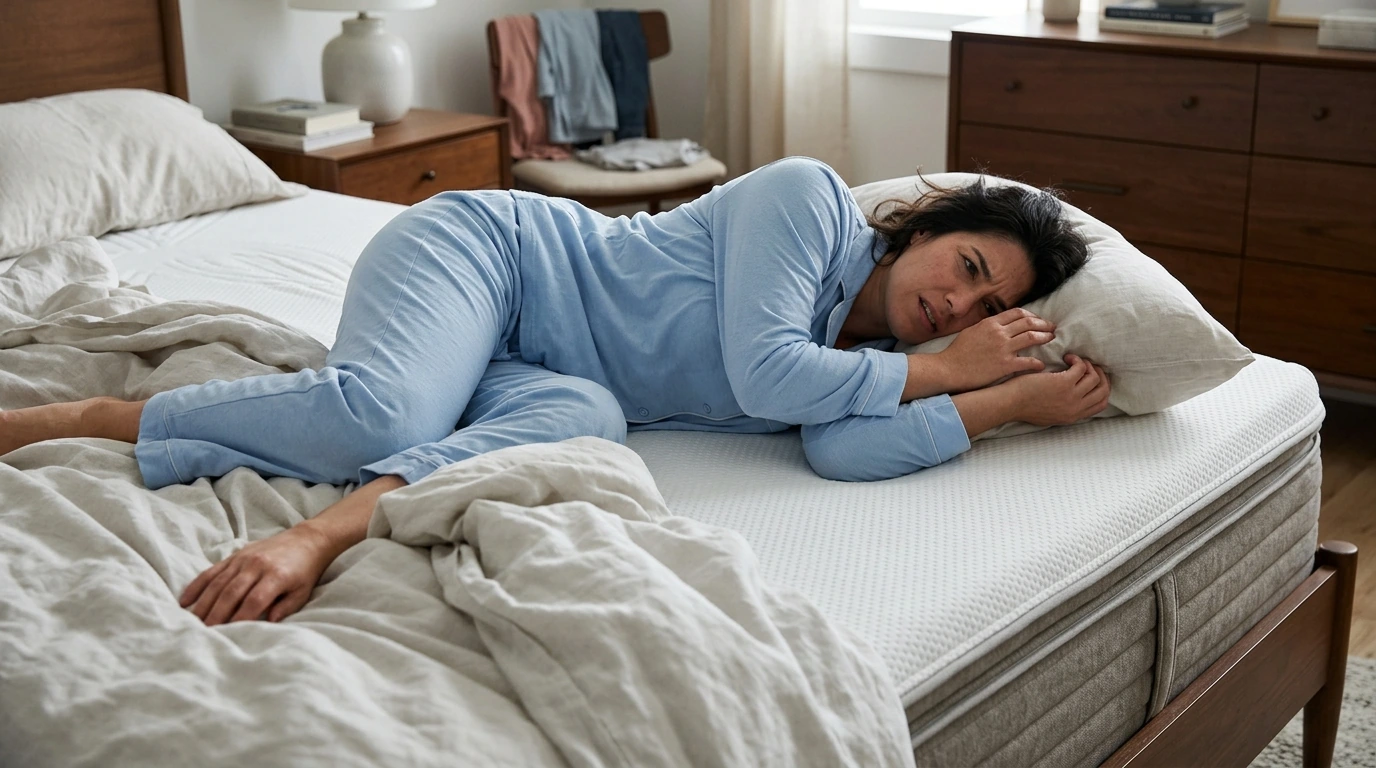
What are the negatives to a hybrid mattress?
Hybrid mattresses combine foam layers with a coil support core, which can deliver a balanced feel—but the same mixed construction can bring a few drawbacks depending on the model and how you sleep.
They can cost more than all-foam or basic innerspring
Hybrids use multiple materials (comfort foams plus a coil unit), and higher-quality coil systems and thicker comfort layers often raise the price. If budget is the top priority, a simpler mattress type may offer better value per dollar.
Weight and maneuverability can be an issue
Coils add heft, and many hybrids—especially thicker options—are bulky. That can make setup, rotation, and moving the mattress harder without help, and it may be inconvenient for adjustable bases or frequent rearranging.
Motion transfer varies by coil design
While many hybrids perform well for couples, some models can still pass movement across the bed, especially those with bouncier coil units or thinner foam on top. If you’re a light sleeper, this is one of the most noticeable potential downsides.
Edge support isn’t automatically great
Hybrids often have stronger edges than all-foam beds, but it depends on the perimeter build (reinforced coils or foam encasement). Without dedicated edge reinforcement, sitting and sleeping near the edge may feel less stable than expected.
Heat can still build up in the comfort layers
Coils improve airflow, but the top foams still matter. Dense memory foam or thick comfort layers can retain warmth, so a “hybrid” label alone doesn’t guarantee a cool night’s sleep.
Quality varies, and breakdown can show up as sagging
Lower-density foams can soften over time, and weaker coil systems may lose support, leading to body impressions. Checking layer specs and construction details is key for long-term comfort.
For a deeper look at how coil type, comfort layers, and thickness affect performance, see the full guide: 12-Inch Hybrid Pocket Spring Mattress Buying Guide.
FAQ
Is a hybrid mattress good for side sleepers?
Often yes, as long as the comfort layer is thick/soft enough to cushion shoulders and hips. Side sleepers typically do best with a pressure-relieving top layer paired with supportive coils.














Leave a comment