Kids and Scarves: What Age Is Safe to Start?
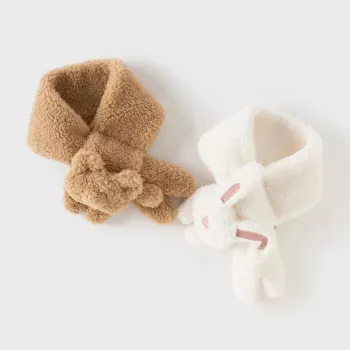
What age can a child start wearing a scarf?
Most children can start wearing a scarf around age 3, as long as an adult can supervise and the scarf is worn in a simple, low-risk way. Before that age, many kids don’t have the coordination (or patience) to keep a scarf positioned safely, and they’re more likely to chew on it, tug it tightly, or get it caught during play.
A practical starting point: preschool age
Ages 3–5 are often a good time to introduce a scarf for short periods, like the walk from the car to school or a quick trip outside. At this stage, kids can usually follow basic directions such as “keep it loose” and “take it off inside.” For active outdoor play, a neck warmer or gaiter-style option can be easier to manage than a long scarf.
Safety comes first: how to wear it the right way
For younger children, choose shorter, lightweight scarves and avoid long ends that can dangle, snag, or tempt pulling games. Keep the wrap loose around the neck (one simple loop is plenty) and skip complex knots. It’s also smart to remove scarves on playground equipment, on the bus if straps could catch, and anytime roughhousing starts.
Comfort matters: fabric, warmth, and feel
A child is more likely to tolerate a scarf if it’s soft, not itchy, and not too bulky under a coat collar. Look for plush, smooth materials that feel gentle on the face and neck, especially for kids with sensitive skin. If the scarf slides around, bunches up, or makes them sweaty indoors, it may be the wrong size or weight for their day.
Want a kid-friendly scarf option?
For more guidance on soft, warm styles that suit school days and winter routines, visit this plush kids winter scarf guide.
FAQ
Is a neck gaiter safer than a traditional scarf for kids?
Often, yes—gaiters don’t have long ends that can snag, and they tend to stay in place better during active play. Choose a breathable, soft style and make sure it isn’t tight around the neck.













Leave a comment