Hard Shell vs Soft Shell: 5 Ways to Tell Fast
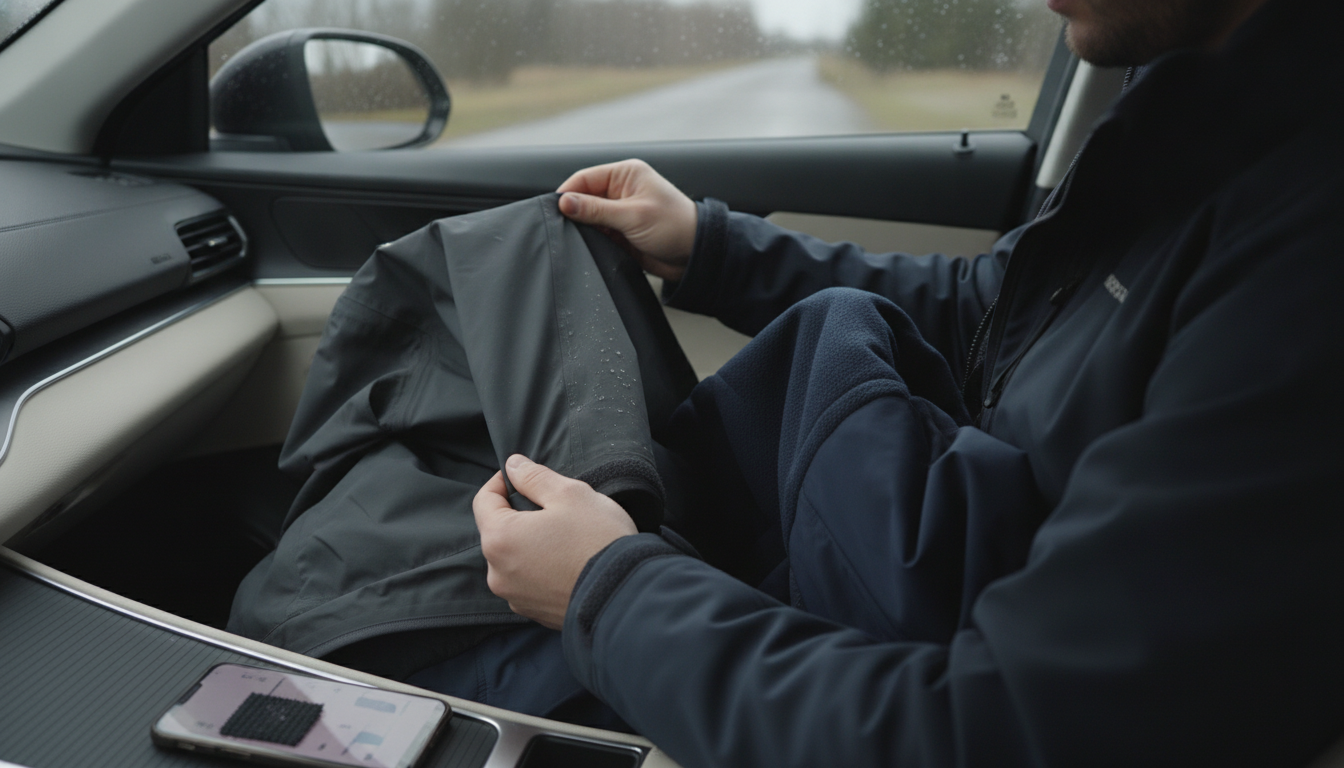
How to tell if a jacket is hard shell or soft shell?
You can usually tell by the fabric feel, the way it handles water and wind, and the construction details. Hard shells are built as a protective barrier for harsh rain, wet snow, and strong wind; soft shells prioritize comfort, stretch, and breathability for active use in drier or variable conditions.
Check the surface feel and “hand” of the fabric
A hard shell typically feels smooth, crisp, and slightly “plasticky” or slick to the touch because it relies on a membrane/laminate and a face fabric designed to shed water. A soft shell usually feels softer and more textile-like, often with noticeable stretch and a quieter, less crinkly feel when you move.
Do a quick water test
Sprinkle a little water on the outer fabric. Hard shells usually bead water aggressively and resist soaking through for longer. Soft shells often bead at first (many have a DWR finish), but they can wet out sooner under steady rain because many are water-resistant rather than truly waterproof.
Look for seam sealing and zipper details
Hard shells commonly have taped seams on the inside (thin tape covering stitch lines) to prevent leaks. They also often use water-resistant zippers and storm flaps. Soft shells may have standard stitching without seam tape and regular zippers because they aren’t engineered to be fully waterproof.
Read the tag for key terms
Labels on hard shells frequently mention “waterproof/breathable,” “3-layer/2.5-layer/2-layer,” or a membrane name. Soft shells are more likely to say “wind resistant,” “water repellent,” “stretch woven,” or “fleece-backed.” If you see a waterproof rating (often in mm), that’s a strong hint it’s a hard shell.
Compare warmth and insulation
Hard shells are usually uninsulated and meant to layer over midlayers. Many soft shells add a light fleece interior for warmth during movement, which makes them feel cozier but less stormproof.
For a deeper breakdown of hard-shell protection and how waterproof construction works, see this guide to hard shell waterproof design.
FAQ
Is a soft shell jacket waterproof?
Most soft shells are water-resistant, not fully waterproof. They can handle light rain or snow for a while, but prolonged or heavy rain typically requires a true waterproof hard shell.















Leave a comment