Vintage Copper Value: What It’s Worth & How to Price It
How much is vintage copper worth?
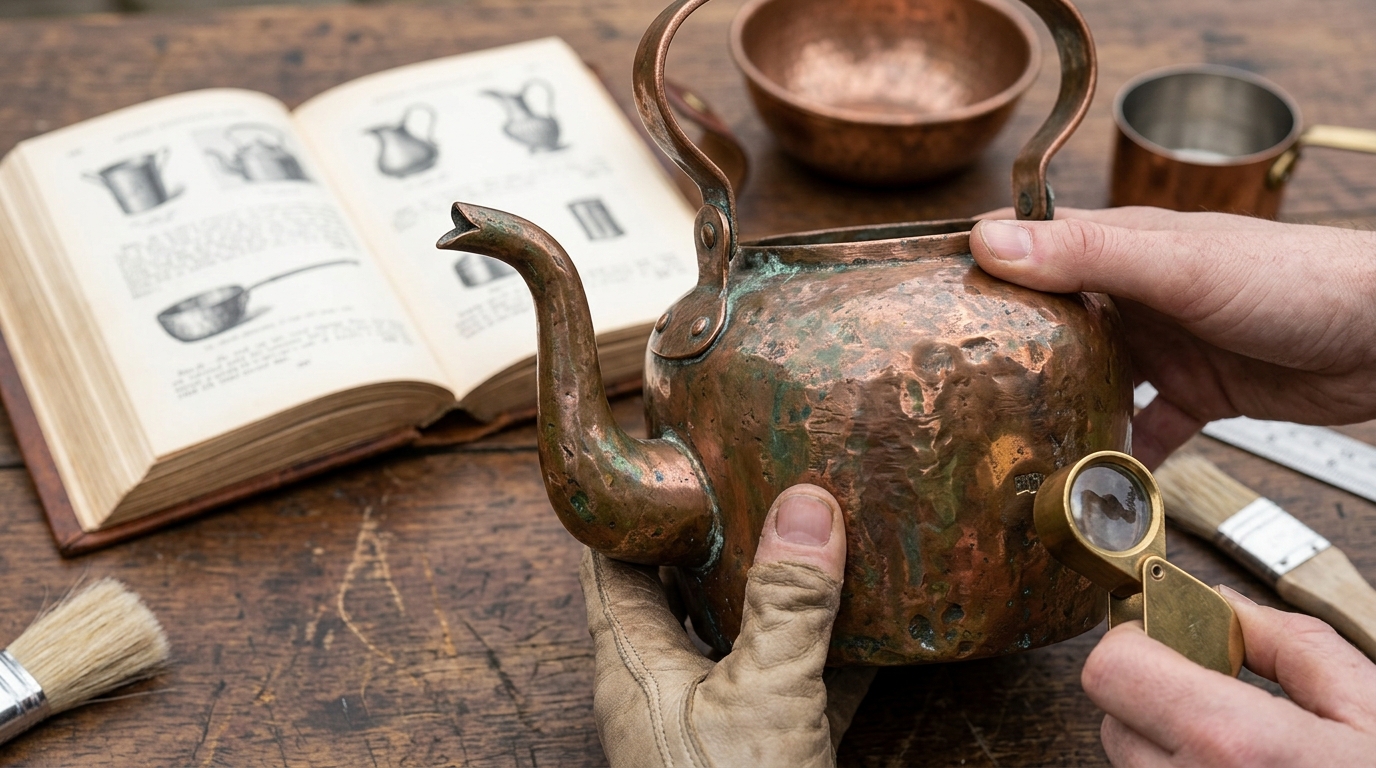
Vintage copper can be worth anywhere from a few dollars to several hundred dollars (or more) depending on what it is, how old it is, and whether it has decorative or collectible appeal. A plain copper pot with heavy wear may sell close to “scrap-plus” pricing, while a well-made, hard-to-find decorative piece—like a detailed pendant chandelier or artisan copper lighting—can command a premium because buyers are paying for design, workmanship, and style, not just metal.
Most value is driven by three buckets: (1) scrap value (weight × current copper rate), (2) functional home goods value (cookware, planters, kettles), and (3) collector/decor value (architectural elements, lighting, signed or stamped pieces, and ornate designs). The more your piece leans into bucket #3, the less relevant scrap pricing becomes.
What typically raises the price?
Vintage copper tends to be worth more when it has recognizable craftsmanship (hand-hammered texture, riveted construction), maker’s marks, and a form that’s actively sought for décor—especially lighting. Complete, working items with original parts (canopy, chain, sockets, shades) generally sell for more than incomplete pieces. Unusual silhouettes, floral motifs, and warm patina can also lift value in the resale market.
What lowers the price?
Major dents, cracks, repairs, missing components, heavy pitting, or severe corrosion can reduce value. Over-polishing can sometimes hurt decorative value if it removes an attractive aged patina. For lighting, non-working wiring isn’t always a deal-breaker, but it often lowers the price unless the buyer is comfortable restoring it.
Quick way to estimate your piece
Start by weighing it to understand the scrap baseline, then compare recent sold listings for similar items (not asking prices). If it’s a decorative copper lighting piece, compare it to comparable vintage pendant chandeliers rather than cookware. For inspiration on how copper lighting can be valued for its design presence, see this guide to a vintage copper angel flower pendant chandelier.
FAQ
What affects the value of antique copper besides weight?
Condition, rarity, maker’s marks, craftsmanship, and decorative demand usually matter more than weight. Complete, distinctive pieces with original components and attractive patina often sell for significantly more than scrap-based pricing.











Leave a comment