Wood Beaded Chandelier Guide: Size, Rooms & Styling
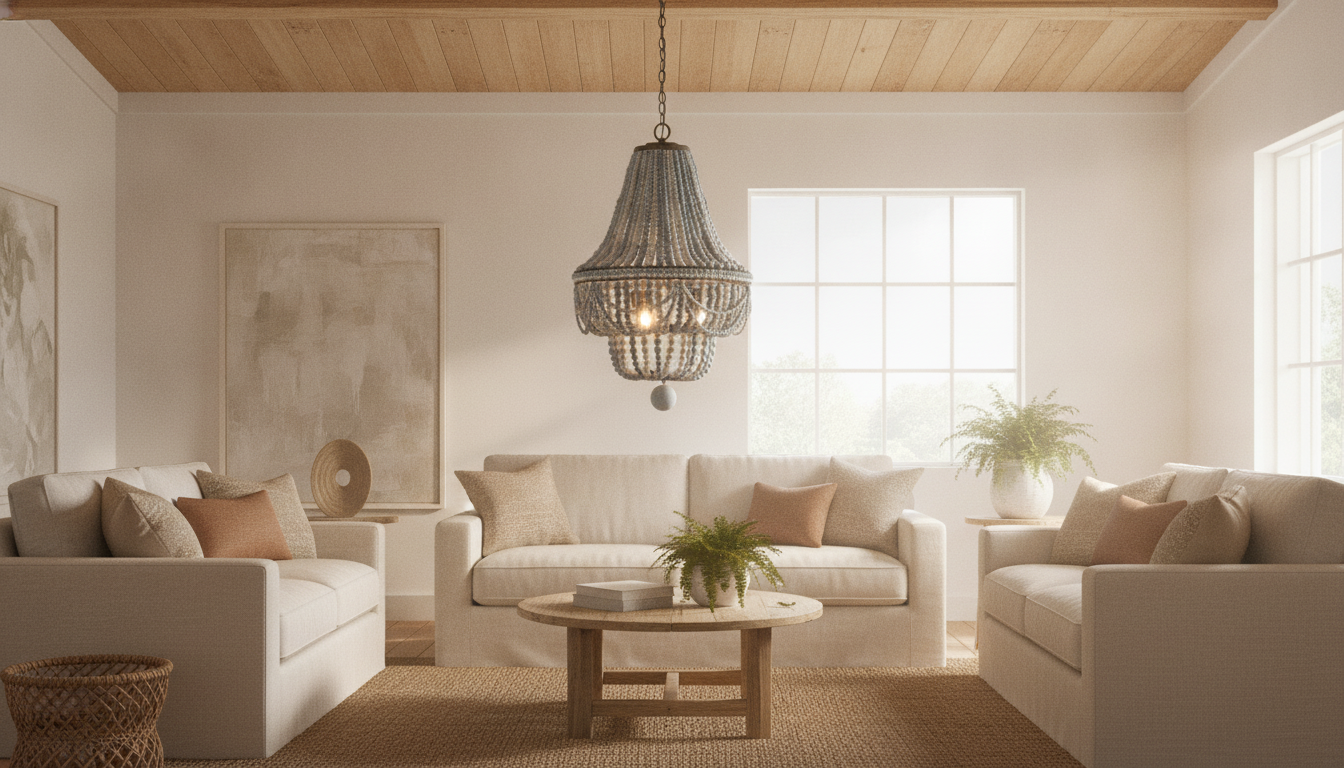
A wood beaded chandelier brings warmth, texture, and a relaxed statement to a room—without feeling heavy. The best versions feel artisanal and airy, adding dimension overhead while still playing nicely with everyday furniture and clean-lined layouts. Below is a practical guide to where a beaded chandelier fits best, how to plan sizing and placement, what to look for in materials and mounting, and how to style it so it feels intentional (not themed).
What Makes a Wood Beaded Chandelier Feel Bohemian
Bohemian style is less about “matching sets” and more about natural materials, layered texture, and an easy sense of collected character. A wood beaded chandelier delivers that look in one focal piece.
- Natural materials as the focal point: Wood beads and light-toned finishes read softer and more relaxed than crystal or glossy metal, especially when the silhouette stays rounded and open.
- Texture-first design: Layered strands create depth and subtle movement, visually softening straight lines in dining tables, bed frames, and cabinetry.
- Light quality: Beads can gently diffuse glare and add delicate shadow detail—particularly with warm bulbs and dimming.
- Works across styles: Wood beads blend into coastal, farmhouse, Scandinavian, and eclectic spaces when the overall palette stays grounded and the room isn’t overly busy.
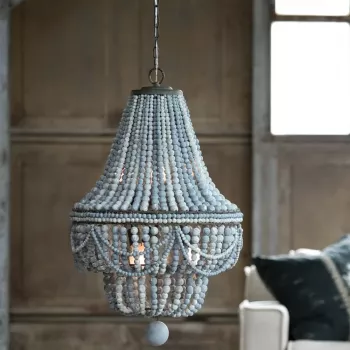
If you’re building around a single statement fixture, consider starting with Elegant Bohemian Wood Beaded Chandelier and letting the room’s other textures stay simple and tactile.
Best Rooms and Styling Pairings
Dining Room
Centered over the table, a wood beaded chandelier anchors the dining zone and brings softness to hard surfaces like wood tops, stone, or glass. Keep tabletop décor low (a bowl, a runner, short candlesticks) so the chandelier remains the hero and sight lines stay open.
Bedroom
In a bedroom, bead strands add a calm, resort-like layer overhead. Pair with linen bedding, woven textures, and soft neutral walls for an easy, breathable feel. If the room already has bold art or patterned drapes, let the chandelier be the “texture” and keep prints muted.
Entryway
A beaded chandelier sets a welcoming tone right away. Balance the ornate overhead texture with a clean-lined console and a mirror to bounce light. In compact foyers, a lighter finish helps the ceiling feel taller.
Living Room
In living spaces, the chandelier looks best when echoed with smaller natural elements—rattan trays, jute rugs, pale wood frames—so it feels integrated rather than isolated as the only “boho” item in the room.
Color Palettes That Complement Wood Beads
Warm whites, sand, clay, and soft sage flatter wood tones. For contrast, add charcoal accents, matte black lines, or brushed brass hardware. A small stone object on a shelf or coffee table can also bridge the natural look—try a sculptural accent like the Beige Travertine U-Shape Sculpture – Modern Stone Decor for Home Interiors.
Sizing and Placement Guide
Great chandelier placement is about proportion and comfort: the fixture should feel present, but it shouldn’t block conversation, crowd the ceiling, or hang too high to appreciate the bead detail.
- Chandelier diameter: Choose a size that matches the room scale. Open-concept rooms can handle a wider fixture without looking visually busy.
- Hanging height over dining tables: The bottom of the chandelier should sit comfortably above eye level when seated, keeping views clear across the table.
- Ceiling height considerations: An adjustable chain or rod helps you avoid a chandelier that either crowds the room or floats too high to enjoy the layered strands.
- Entryways and stairs: Plan for walking clearance and sight lines from multiple angles—especially if the fixture is visible from a landing or hallway.
- Multiple fixtures: In very long dining areas or over kitchen islands, two smaller pendants can feel cleaner than one oversized chandelier.
Quick Planning Checklist
| Placement | What to measure | Practical target |
|---|---|---|
| Dining table | Table length/width and ceiling height | Centered; hangs high enough for clear views across the table |
| Bedroom | Bed position and ceiling fan/vent locations | Centered in room or aligned with bed; avoid tight clearances near doors/closets |
| Entryway | Floor-to-ceiling height and walking path | Safe head clearance; visually centered to the main approach |
| Living room | Seating layout and focal wall | Centered over the main seating zone; balanced with other lighting layers |
Materials, Finish, and Build Details to Look For
For safety and quality assurance when shopping lighting, it’s worth understanding third-party certification marks; UL Solutions explains product safety certifications and what they mean for fixtures and electrical components.
Lighting Performance and Bulb Choices
If you’re comparing bulbs by real-world output, the Federal Trade Commission (FTC) consumer guide on light bulbs is a helpful refresher on lumens, wattage, and labeling.
Installation Notes and Everyday Care
A Simple Room-by-Room Styling Formula
FAQ
Is a wood beaded chandelier bright enough for a dining room?
It can be, but brightness depends on the bulbs’ lumen output and how open the fixture is. For the most flexibility, use a dimmer and add layered lighting (like sconces or a nearby lamp) so the chandelier can shift between functional and atmospheric.
How high should a chandelier hang over a table?
A practical approach is to hang it high enough for clear sight lines and comfortable head clearance while seated. Adjust based on ceiling height and the chandelier’s overall height so it feels centered and proportional rather than too low or too distant.
How do you clean and maintain wood beads without damaging them?
Turn the power off first, then dust regularly with a soft cloth or duster. If needed, use a lightly damp cloth sparingly and dry right away; avoid harsh chemicals, soaking, and consistently humid conditions that can dull or stress the finish.











Leave a comment