Warm Non-Slip Winter Seat Cushion Cover: Plush Comfort
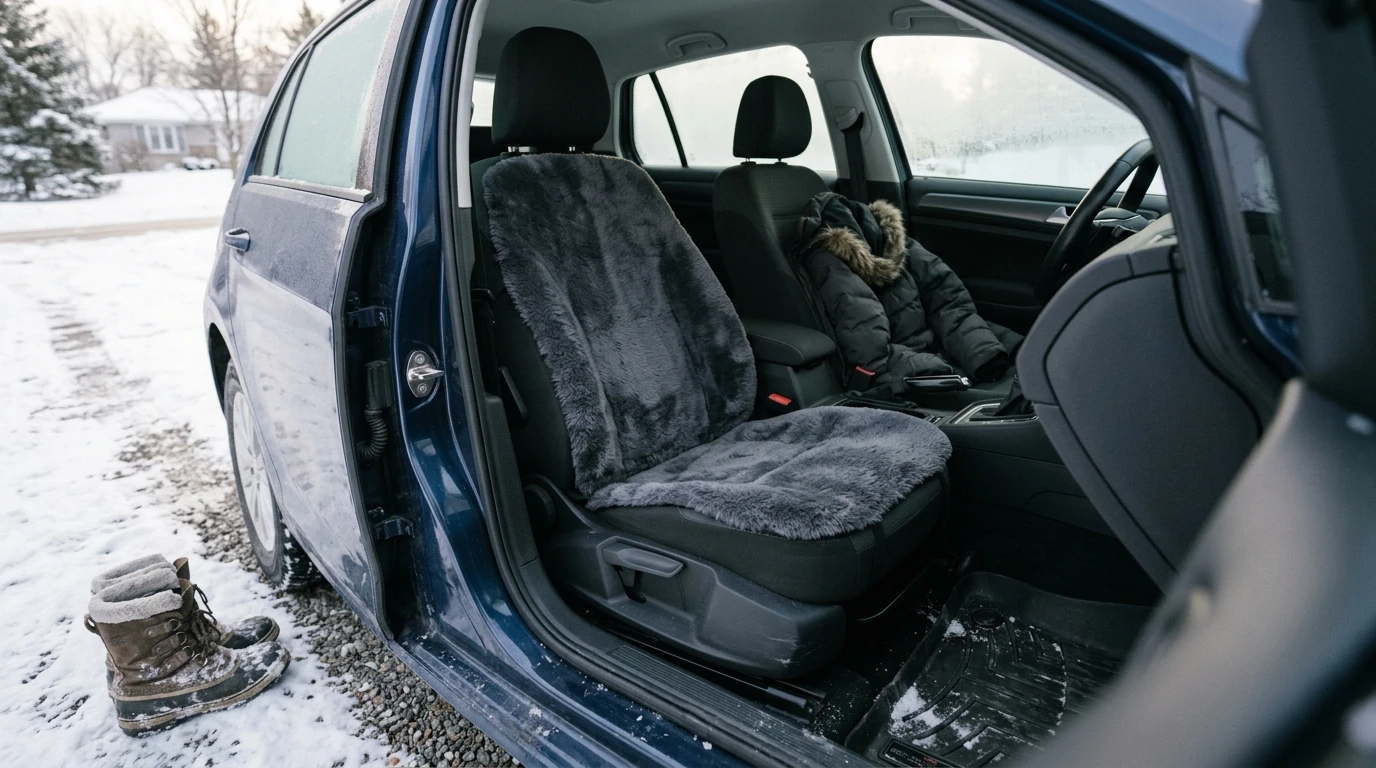
Winter Plush Non-Slip Car Seat Cushion Cover
Cold-weather drives feel better with a seat cover that adds warmth without sliding around. This plush cushion cover is designed to make everyday commutes and longer trips more comfortable while helping protect the seat surface from seasonal wear like moisture, grit, and heavy coats.
If winter mornings leave your car seat feeling like an ice block, a dedicated cushion layer can make the first few minutes behind the wheel noticeably more pleasant—without permanently changing your interior. Just as importantly, a non-slip underside helps the cover stay stable when you brake, turn, and climb in and out with bulky clothing.
What It Does for Cold-Weather Driving
Winter creates a perfect storm for discomfort and extra wear: colder cabin temperatures, thicker clothes that rub the upholstery, and snow or salt that tags along for the ride. A plush cushion cover helps by adding an insulating contact layer and reducing direct friction on the factory seat.
- Adds a warm, plush layer that reduces the shock of sitting on a cold seat in the morning
- Creates a softer contact surface for hips and thighs on longer drives
- Helps reduce friction and abrasion on the original upholstery from winter clothing and frequent entry/exit
- Acts as a buffer against small spills, condensation from snow-covered clothing, and salt residue (depending on use and cleaning habits)
Non-Slip Support and Everyday Stability
A cushion that constantly creeps forward can be more annoying than having no cushion at all. Non-slip backing is meant to grip the seat surface so the cover doesn’t shift every time you adjust your posture or step out at a gas station.
- Non-slip backing helps keep the cushion from shifting during braking, turning, and repeated in-and-out movement
- Stability improves seated posture by reducing the need to readjust after every stop
- More consistent positioning can be helpful for drivers who experience pressure points when the seat surface is slick
- Best results come from placing the cover on a clean, dry seat surface so the backing can grip properly
One practical tip: winter grit is the enemy of grip. If sand or salt crystals build up under the cushion, the cover may slide more easily and can act like sandpaper over time. A quick wipe-down before reinstalling goes a long way.
Comfort, Warmth, and Seat Protection Features
Beyond warmth, a plush cushion cover can soften the feel of firm seats and make daily driving less fatiguing. It also creates a “sacrificial” layer that catches debris—helpful when shoes track in slush and coats drip onto the seat.
- Plush surface provides a cozy feel that pairs well with winter coats and thicker clothing
- Cushion-style layer can reduce minor vibration and road feel for a more relaxed ride
- Helps keep the seat cleaner by taking the brunt of dirt, pet hair, and crumbs (especially useful in winter when shoes track in debris)
- A removable cover is typically easier to refresh than deep-cleaning the entire seat
Quick checklist: what to look for before buying
| Feature | Why it matters in winter | What to verify before ordering |
|---|---|---|
| Non-slip backing | Helps prevent shifting with bulky clothing and frequent stops | Back material and whether the seat is fabric/leather compatible |
| Plush top layer | Improves warmth and comfort on cold mornings | Thickness and whether it compresses too much for comfort |
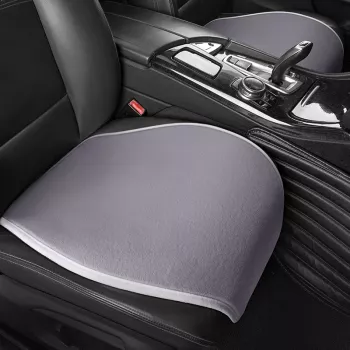
| Fit and placement | Avoids bunching that can feel lumpy during long drives | Seat size, shape, and whether it’s intended for a bottom cushion only |
| Cleaning approach | Winter grime builds up quickly | Hand-wash vs. machine-wash guidance and drying method |
| Safety compatibility | Seat covers can interfere if they block airbags or belt paths | That it doesn’t cover side-airbag seams or seat-belt buckles |
Fit, Compatibility, and Safety Notes
Comfort upgrades should never compromise safety or everyday usability. Before installing any seat cover, confirm that it won’t obstruct seat-belt hardware or interfere with seat-mounted airbags.
- Confirm whether the cover is meant for the seat bottom only or includes back support; install only as intended to prevent bunching
- Keep seat-belt buckles and latch points unobstructed so belts click in and retract normally
- Avoid covering side-airbag deployment areas; if the vehicle has seat-mounted airbags, ensure the cover does not block seams or labels
- If the seat has built-in heating or ventilation, monitor performance after installation and follow any vehicle manual guidance
For general safety guidance on proper seat belt use, consult authoritative resources like NHTSA — Seat Belts and AAA — Car Seat & Seat Belt Safety.
How to Install So It Stays Put
Most “sliding” complaints come down to prep and placement. Give the backing a clean surface to grip, and take a moment to align the cushion so it sits flat.
Cleaning and Seasonal Care
Who It’s Best For
In-Stock Picks
- Winter Plush Non-Slip Car Seat Cushion Cover — an easy winter comfort upgrade with a stay-put design.
- Lightweight 3L Cycling Backpack for Running, Hiking & Outdoor Sports — a compact way to keep gloves, a hat, or emergency layers handy for winter commuting.
FAQ
Will a plush seat cushion cover interfere with seat airbags?
It can if it covers seat-mounted airbag seams or deployment areas. Keep airbag labels and seam zones unobstructed, and confirm the cover’s design and your vehicle’s requirements before use.
Does the non-slip backing damage leather or fabric seats?
Non-slip materials are generally made to grip without harm, but trapped grit underneath can scuff over time. Clean the seat first and remove the cover occasionally to wipe both surfaces.
How do you keep a seat cushion cover from sliding forward?
Start with a clean, fully dry seat, center the cushion carefully, and press it down firmly across the entire surface—especially at the front edge. After a short drive, do one final reposition; thicker winter coats can increase movement at first.














Leave a comment