Vintage Cowhide Belt for Men with Solid Brass Buckle
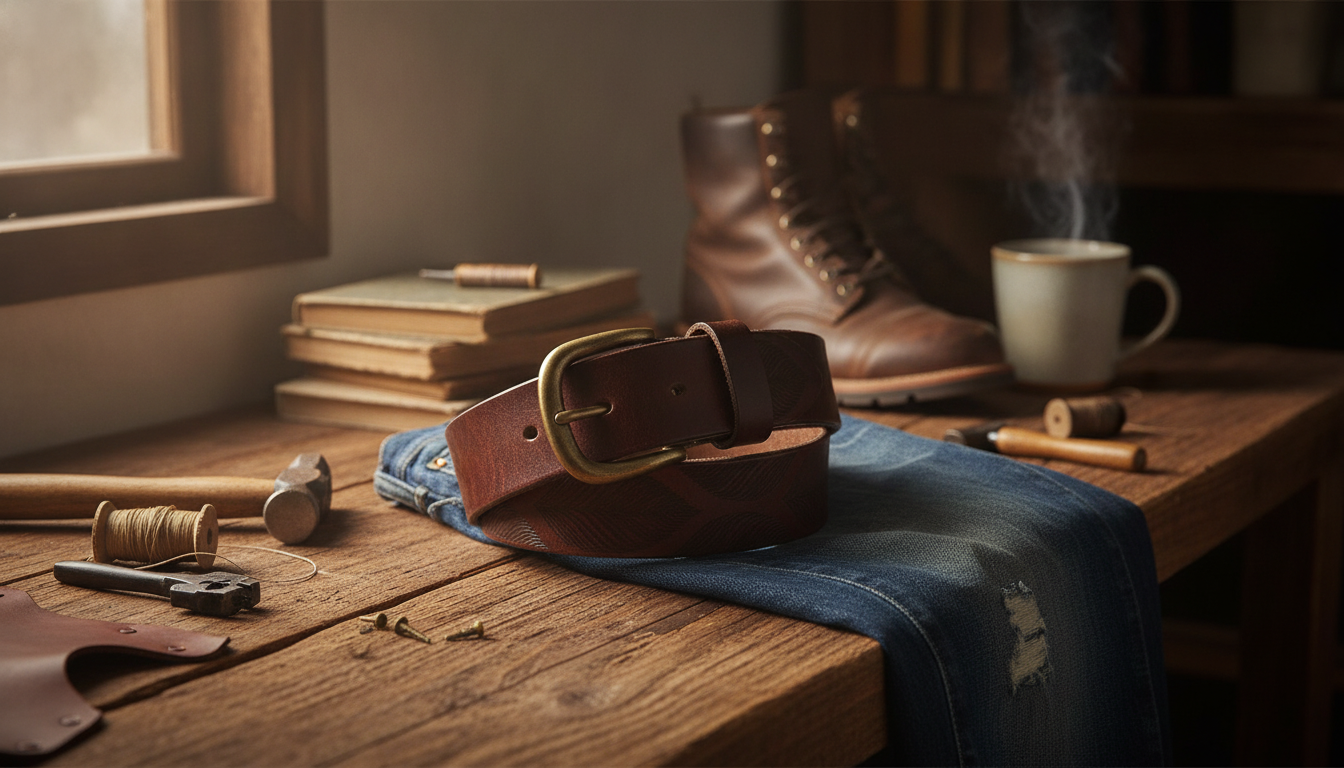
Men’s Vintage Genuine Cowhide Leather Belt with Solid Brass Buckle
A well-made leather belt does more than hold up trousers—it adds structure to an outfit, develops character over time, and quietly signals quality. This vintage-style cowhide belt pairs a natural leather grain with a solid brass buckle for a durable, everyday piece that works with denim, chinos, and casual tailoring.
What Makes This Belt “Vintage” in Look and Feel
“Vintage” isn’t only about looking old—it’s about choosing materials and proportions that feel familiar, functional, and built to last. With genuine cowhide, no two straps look exactly alike, and that natural variation is a big part of the appeal.
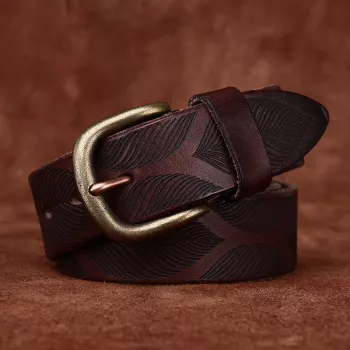
- Cowhide grain and variation: Subtle shifts in tone and texture create a heritage look that tends to get richer with wear.
- Brass complements warm leather: A brass buckle pairs naturally with brown and tan palettes and can develop a soft patina over time.
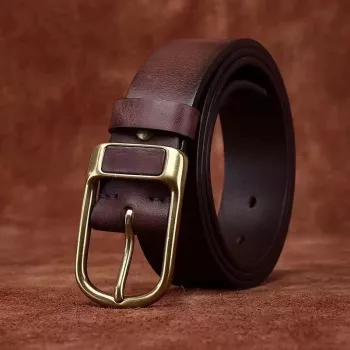
- Classic profile, easy to wear: A straightforward buckle shape and balanced belt width help it work with jeans, workwear, and smart-casual outfits.
- Timeless proportions: The best vintage pieces avoid extremes—nothing overly chunky or overly sleek—so the belt stays versatile season after season.
Materials and Hardware: Cowhide Leather + Solid Brass Buckle
Material choices are where a daily belt either earns its keep or falls apart. Genuine cowhide is valued for abrasion resistance and structure, and it typically breaks in without turning limp or losing its shape. Over time, leather fibers compact and relax in a way that often improves flexibility while maintaining strength.
The buckle matters just as much. Solid brass is naturally corrosion-resistant and generally holds up better than plated alloys that can chip, flake, or show wear spots. The added weight of a solid buckle can also help the belt sit flatter at the front for a cleaner look.
| Component | What it is | Why it matters |
|---|---|---|
| Strap | Genuine cowhide leather | Durable, forms to the body, develops character with use |
| Buckle | Solid brass | Resists corrosion, long-lasting, can patina naturally |
| Finish | Vintage-style look | Pairs easily with denim and earth-tone footwear |
Fit and Sizing: Getting the Right Length
A belt looks best when it closes comfortably on the middle hole—secure, centered, and with a neat tail that tucks cleanly into the belt loop. When a belt is too long, the tail can wrap awkwardly; too short, and the buckle gets pulled off-center and the leather may curl from tension.
Quick ways to measure
- Use an existing belt: Measure from the buckle fold (where the leather bends around the buckle) to the hole you use most often.
- Measure your body: Use a tape measure around where the belt will sit (waist or hips depending on the pants).
- Confirm belt loop width: A correct width should slide through belt loops easily and sit flat—no forcing, no bunching.
| Step | How to measure | Best result |
|---|---|---|
| Use a current belt | Measure from buckle fold to the most-used hole | New belt matches that measurement |
| Measure the waistline | Tape measure around belt loops area | Choose a size that allows center-hole fastening |
| Check belt loops | Confirm loop width on trousers | Belt width sits flat without forcing |
Styling Ideas: Casual to Smart-Casual Outfits
A vintage leather belt earns its spot because it blends in while still looking intentional. The leather grain brings texture; the brass buckle adds a warm, grounded finish that works especially well with brown footwear.
- Denim and boots: Pair with raw or washed denim and brown leather boots for a cohesive, rugged look.
- Chinos and loafers: The brass buckle reads refined—match shoe tone to the belt family (medium brown with medium brown) for a clean line.
- Layered fall outfits: Flannels, chore coats, and knitwear look right at home with a vintage leather finish.
- Keep metals consistent: Brass buckles pair naturally with warm-toned watch cases, rings, and vintage-inspired accessories.
Care and Maintenance for Long-Lasting Leather
Leather ages best with light, consistent care rather than heavy treatments. Keep grit off the strap, condition occasionally, and avoid extreme heat that can dry and warp leather. For deeper care guidance, helpful references include the Leather Conservation Centre and Furniture Clinic’s leather care guide.
When to Choose a Brass-Buckle Belt Over Other Options
Product Details and Where to Buy
If you’re looking for a daily belt with a heritage look and dependable hardware, Men’s Vintage Genuine Cowhide Leather Belt with Solid Brass Buckle is available while in stock. The combination of genuine cowhide and a solid brass buckle makes it a strong option for regular rotation and gift-giving.
| Item | Price | Availability |
|---|---|---|
| Men’s Vintage Genuine Cowhide Leather Belt with Solid Brass Buckle | $38.51 | In stock |
More in-stock finds
- Lightweight 3L Cycling Backpack for Running, Hiking & Outdoor Sports ($38.67)
- Beige Travertine U-Shape Sculpture – Modern Stone Decor for Home Interiors ($100.01)
FAQ
How should a men’s leather belt fit?
Aim to fasten on the middle hole so the buckle stays centered and the tail looks neat. For the most accurate sizing, measure an existing belt from the buckle fold to the hole that fits best and match that measurement.
Does a solid brass buckle tarnish?
Yes—brass can dull and develop patina over time, which many people like for a vintage look. If you prefer a brighter finish, gently polish the buckle with a brass-safe product while keeping polish off the leather.
How often should genuine leather belts be conditioned?
Conditioning every 1–3 months is a practical range depending on climate and how often you wear the belt. Avoid over-conditioning (which can soften leather too much), and always spot-test any product on a small, hidden area first.











Leave a comment