Sonic Toothbrush with Ultrasonic Support & LED Display
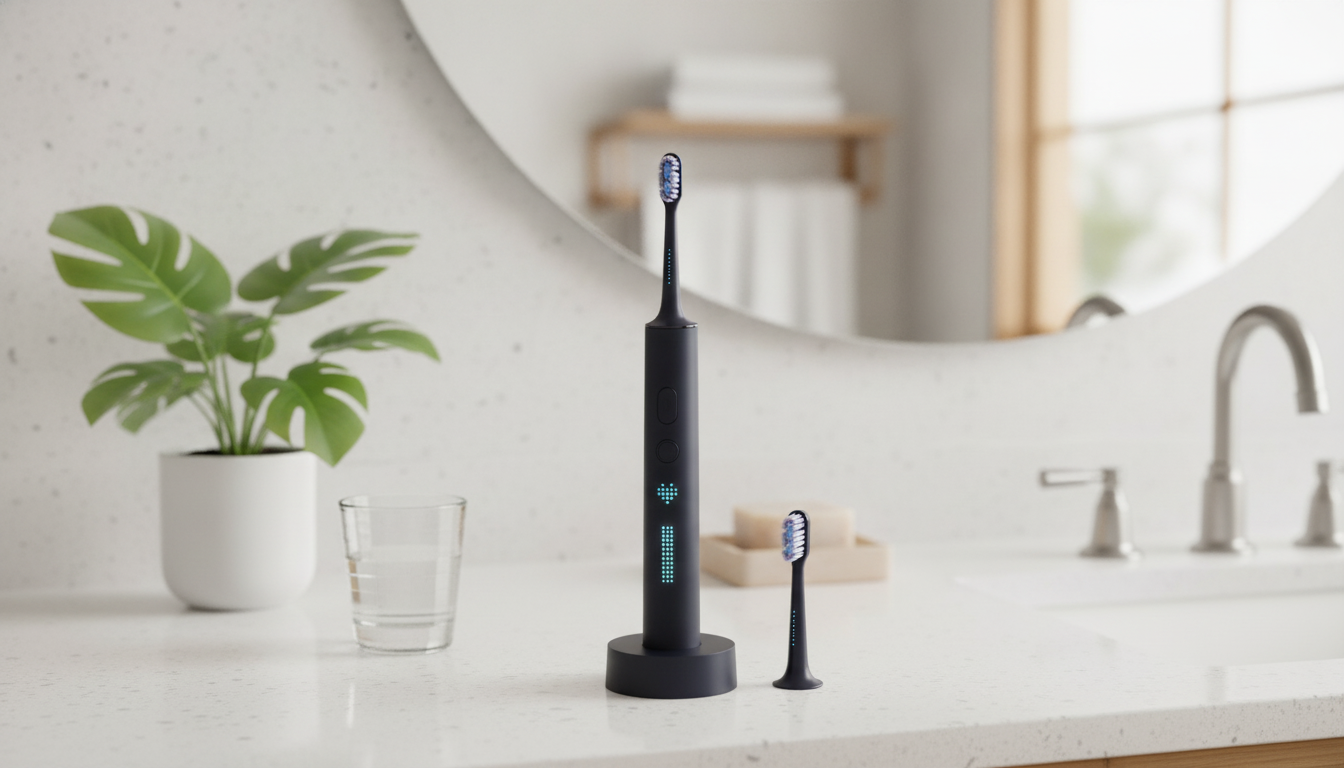
Advanced Sonic Electric Toothbrush with Ultrasonic Cleaning & LED Display: A smarter way to brush consistently
A high-performance electric toothbrush can make daily brushing more consistent by combining fast bristle movement, timed guidance, and easy-to-read feedback. This model pairs sonic action with ultrasonic-style cleaning support and an LED display to help track modes and routine—aimed at users who want a stronger clean than a manual brush without adding complexity to the counter.
What makes this toothbrush different
Many powered brushes improve plaque removal simply by moving faster than a manual toothbrush, but the best everyday experience comes from features that guide technique and reduce “guesswork.” Here’s what sets this style of brush apart in daily use:
- Sonic brushing action designed to lift plaque efficiently along the gumline and tooth surfaces.
- Ultrasonic-style cleaning support to enhance the cleaning effect, especially in hard-to-reach areas.
- LED display for at-a-glance status (mode selection, battery, or brushing prompts depending on configuration).
- Routine-friendly design focused on habit building: straightforward controls, consistent output, and visible feedback.
For an evidence-based overview of powered toothbrush benefits, a large systematic review has found powered brushing can reduce plaque and gingivitis compared with manual brushing over time (see the Cochrane Review on powered toothbrushes).
Feature snapshot
Use this quick reference to compare daily-use priorities like feedback, comfort, and upkeep.
| Feature | Why it matters | What to look for in use |
|---|---|---|
| Sonic cleaning | Helps remove plaque with high-frequency bristle movement | Comfortable vibration level and steady performance across sessions |
| Ultrasonic-style support | Can improve cleaning feel and reach around edges | Noticeable freshness without needing extra pressure |
| LED display | Reduces guesswork for mode/battery and encourages consistent routines | Readable icons/indicators and clear mode switching |
| Multiple modes | Adapts to sensitivity, whitening goals, or gum care | Distinct settings that feel meaningfully different |
| Built-in timer | Promotes full two-minute brushing and even coverage | Pacing cues to spend time on each quadrant |
| Replaceable brush heads | Maintains cleaning efficiency and hygiene over time | Easy head changes and reminders to replace regularly |
Modes, intensity, and everyday comfort
Mode variety is most useful when it helps match brushing to real life—sleepy mornings, post-coffee breath, sensitivity flare-ups, or times when gums feel tender after a dental cleaning.
- Gentle days vs. deep-clean days: Softer settings can be ideal during sensitivity, while stronger modes help after meals or when you want a more polished feel.
- Intensity should not require pressure: Effective brushing is about light contact and slow coverage. Pressing harder can irritate gums and wear bristles faster.
- LED confirmation reduces mid-brush mistakes: When the display clearly shows the selected mode, it’s easier to stay consistent and avoid accidental switching.
- Sensitivity ramp-up: Start on the gentlest mode for the first week and increase only if comfort remains consistent.
How ultrasonic-style cleaning fits into a routine
Ultrasonic-style cleaning is typically intended to complement brushing by enhancing the cleaning sensation and reach around crevices. The key is technique: even a powerful brush performs best when it’s guided carefully rather than scrubbed quickly.
- Angle matters: Hold the bristles at a slight angle toward the gumline so the vibration can work along the margin where plaque builds.
- Go tooth-by-tooth: Move slowly—especially across the gumline—so the brush has time to work on each surface.
- Target high-plaque zones: Spend extra time on back molars, inside surfaces of lower front teeth, and along the gumline.
- Don’t “activate” with pressure: Avoid pressing harder to increase the cleaning effect. Let the motor and bristles do the work.
LED display guidance: what it can help track
A display is most valuable when it reduces mental load. Instead of guessing whether the brush is about to die, which mode is active, or whether you’ve brushed long enough, quick visual cues keep the routine on rails.
- Battery status: Visibility helps avoid the common “dead brush” surprise before work, travel, or a late night.
- Mode confirmation: Useful for households where someone changes the mode, or for alternating gentle and stronger settings.
- Timer and pacing prompts (if supported): Reinforces the two-minute baseline and balanced quadrant coverage.
- Everyday readability: A display is most helpful when it stays legible in normal bathroom lighting and doesn’t require memorizing long-press combinations.
For broader daily oral health basics—brushing, flossing, and checkups—see the CDC’s adult oral health guidance.
Battery, charging, and travel readiness
A strong battery does more than add convenience—it reduces interruptions, which helps maintain consistent habits. If brushing becomes “optional” when the handle is charging, it’s easier to miss sessions.
Brush heads, hygiene, and replacement timing
The American Dental Association’s toothbrush resources include practical notes on toothbrush use and replacement.
Best practices for a cleaner, gentler brush session
Care, maintenance, and safety notes
Shop in-stock picks
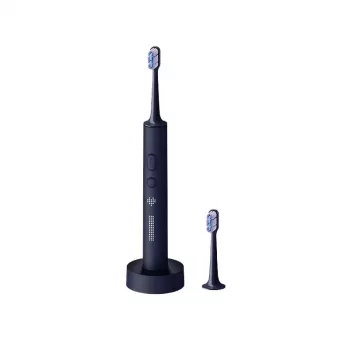
- Advanced Sonic Electric Toothbrush with Ultrasonic Cleaning & LED Display
- Lightweight 3L Cycling Backpack for Running, Hiking & Outdoor Sports
FAQ
Is an ultrasonic-style toothbrush safe for daily use?
Ultrasonic-style and sonic toothbrushes are generally safe for daily use when used with light pressure and the appropriate mode for your comfort level. If you have sensitivity, start on a mild setting and increase only if your gums feel fine. Persistent pain or bleeding should be evaluated by a dental professional.
How often should brush heads be replaced?
A practical guideline is about every 3 months, and sooner if the bristles flare, the head looks worn, or the brush feels less effective. It’s also smart to replace the head after an illness to keep hygiene standards high.
Does an LED display improve brushing results?
An LED display can improve consistency by confirming mode selection, battery status, and (when available) timing or pacing prompts. Better results still depend on gentle technique, brushing long enough, and replacing brush heads on schedule.










Leave a comment