Solid Wood Round Stool: Seat, Side Table, Plant Stand
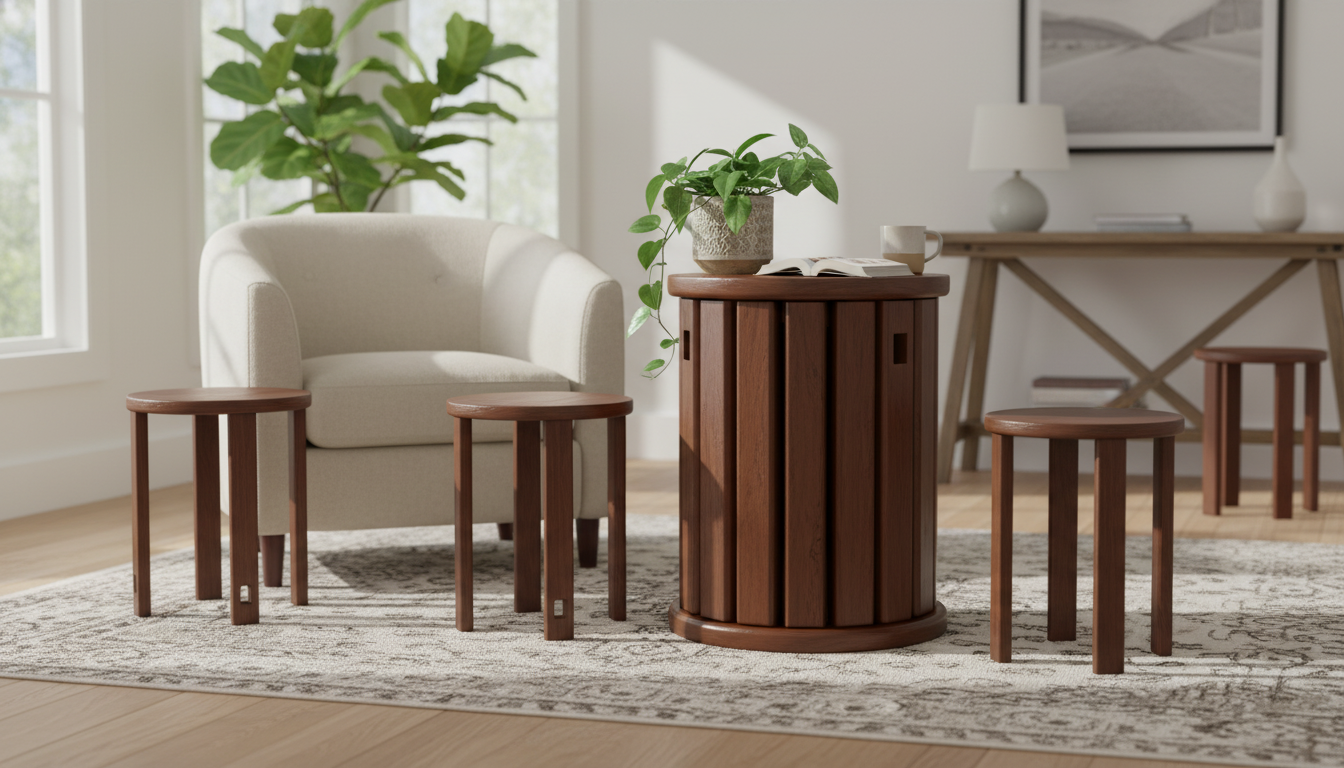
What makes a multifunctional round stool useful at home
A well-made round stool earns its keep because it can switch roles in seconds. When friends drop by, it’s instant extra seating that doesn’t crowd the room the way a spare chair can. When you’re not using it as a seat, the same compact footprint becomes a convenient landing spot for a mug, a book, or a small tray—especially beside a sofa or armchair where a full-size side table would feel bulky.
Round stools also shine in “in-between” moments: a bedside perch for tomorrow’s outfit, a quick helper in the entryway for putting on shoes, or a low plant stand that lifts greenery off the floor. Because there are no corners, they slide easily through tight spaces and feel visually lighter in small rooms.
Solid wood benefits: durability, feel, and long-term value
Solid wood tends to age with character rather than looking tired. Unlike many composite materials, real wood can often be sanded and refinished, which helps it bounce back from everyday scuffs. The natural grain and color variation add warmth and depth—especially noticeable on simple silhouettes like round stools, where the material does the talking.
From a practical standpoint, solid wood’s density can improve stability when the stool is used as a small side table or an occasional step-up (only when designed for that purpose). Well-fitted joinery and thicker components also resist wobble better than thin, lightweight builds. For a deeper dive into how wood behaves as a material, the Forest Products Laboratory’s Wood Handbook is a helpful reference.
Best places to use a round stool (and how to style it)
Because it’s compact and easy to move, a round stool can “float” to wherever you need it most. A few small styling choices—like a tray, a coaster set, or a small basket—help it look intentional while protecting the wood surface.
- Entryway: Park it near the door for slipping shoes on and off; add a catchall tray for keys.
- Living room: Keep it beside the sofa as a flexible surface for a drink or remote; coasters make it feel finished.
- Bedroom: Use it as a minimalist nightstand alternative; choose a lamp with a stable base and consider a tray.
- Bathroom (dry zone): Great for towels or a basket—just keep it away from regular splashes and steamy corners.
- Home office: A clean spot for a plant, headphones, or printer accessories; keep the top uncluttered so it can change jobs fast.
Common uses and simple setup tips
| Use | Setup tip | What to avoid |
|---|---|---|
| Extra seat | Place on a flat surface; check for wobble before regular use | Using on thick, uneven carpet without stabilizing |
| Side table | Add coasters or a tray to protect the finish | Hot mugs directly on wood without protection |
| Plant stand | Use a waterproof saucer and wipe moisture immediately | Letting water sit and cause rings or swelling |
| Bedside perch | Keep a small organizer tray for daily items | Overloading with heavy items at the edge |
| Quick step-up | Use only if the stool is stable and rated for weight; step in the center | Standing on the edge or using on slippery tile |
Comfort and usability details to look for
Two stools can look similar online and feel completely different in daily use. A few details make the difference between “nice accent piece” and “everyday helper.”
- Seat diameter: A slightly larger top feels more secure for sitting; smaller tops can be handier as a side table.
- Height: Lower stools work well as footrests or plant stands; mid-height tends to be more comfortable for entryway seating.
- Edge profile: Rounded edges are kinder on legs and reduce bump hazards in narrow walkways.
- Surface finish: Matte hides fingerprints; glossier finishes wipe clean quickly but may show scratches more easily.
- Leg geometry: A wider stance and thicker legs generally improve stability, especially for a piece that gets moved often.
Safety and stability checks for everyday use
Care tips that keep solid wood looking its best
Coasters and trivets make a big difference, since heat and moisture are common causes of discoloration. Also aim for reasonably stable indoor humidity; big swings can encourage wood movement over time. The EPA’s indoor air quality resources include guidance that can be useful when thinking about a comfortable, well-managed home environment. For minor scuffs, use a finish-appropriate furniture polish or wax sparingly and follow the product directions.
When a multifunctional stool is the right choice (and when it isn’t)
In-stock picks to consider
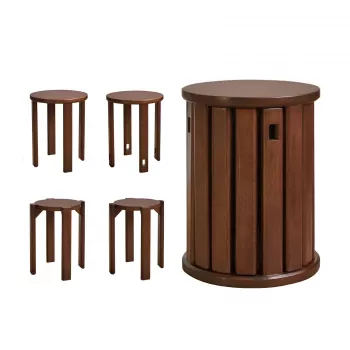
If you’re ready to add a flexible piece that can work as a seat, side table, or everyday helper, the Solid Wood Multifunctional Round Stool is a strong place to start. For a different kind of “multifunctional” home upgrade—especially in pet-friendly spaces—the Multi-Functional Cat Tree with Litter Enclosure, Food Station & Storage helps consolidate pet essentials while keeping the room looking tidier.
FAQ
Can a solid wood round stool be used as a side table?
Yes. Use a tray or coasters to protect the finish, keep hot items off bare wood, and avoid placing heavy weight near the edge to reduce the chance of tipping.
How do you stop a wooden stool from wobbling?
Test it on a level surface first, then add felt or non-slip pads if needed. If one leg is slightly uneven and the wobble persists, a professional adjustment is safer than forcing the legs into place.
How should a solid wood stool be cleaned and maintained?
Dust with a soft cloth, wipe spills immediately, and avoid harsh cleaners that can damage the finish. Use a wood-safe polish or wax occasionally based on the stool’s finish type and the product instructions.











Leave a comment