Smart Cart Savings: Budget Groceries Without Sacrifice
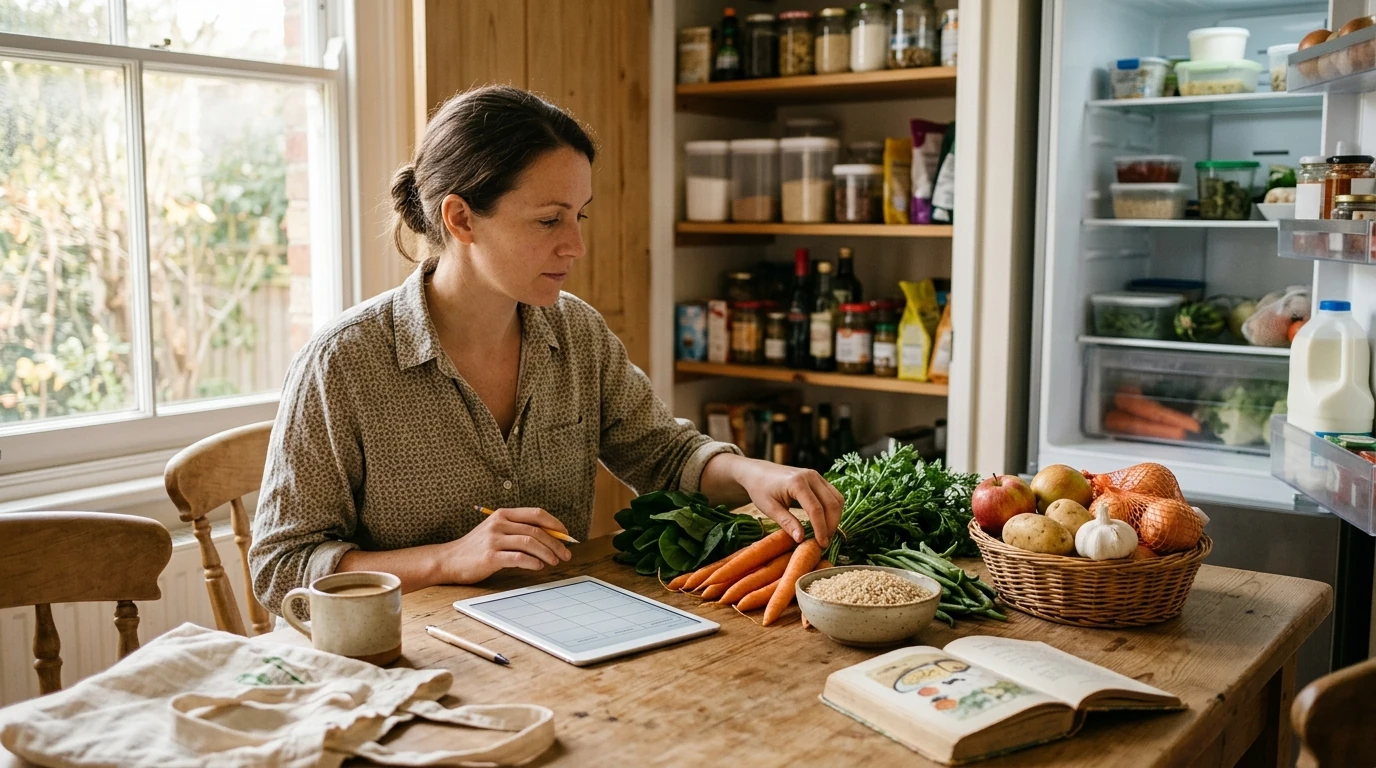
A lower grocery bill should not mean settling for meals you do not enjoy. A useful budget starts with a spending limit, a short plan built around food you already have, and a few thoughtful comparisons at the store. You do not have to get every decision right on the first trip. The goal is a routine you can repeat and adjust.
Set a Grocery Budget You Can Actually Use
Start by looking at what you spent on groceries over the last few weeks. Choose a weekly amount that fits alongside rent, utilities, transportation, and other essential expenses. If your spending varies, use the receipts to find a realistic starting point rather than choosing the lowest week and hoping every trip will match it.
Keep regular groceries separate from occasional household supplies in your notes. A large purchase of detergent or paper towels can make a food budget look unusually high even when your meals stayed on track. You can still pay for everything in one transaction; just record the categories separately afterward.
Leave a small cushion for changing prices or an ingredient you forgot to list. Treat the first few weeks as practice, not a pass-or-fail test. If the amount consistently falls short despite careful shopping, adjust the number or the meal plan. A budget is more helpful when it reflects how your household actually eats.
Plan Meals Around What Is Already in Your Kitchen
Before choosing recipes, take a quick look through your refrigerator, freezer, and pantry. Put food that needs using soon at the top of the plan. Half a bag of spinach might go into an omelet and a pasta dish; cooked beans might become a grain bowl one night and a filling for wraps the next. Using what you own first gives each new purchase a clearer purpose.
Choose several meals that share versatile ingredients, then write down approximate quantities. If two dinners call for carrots, estimate how many you need for both instead of buying separately for each recipe. Include breakfast, lunch, and snacks if those are part of your grocery spending. A dinner-only list can leave a surprising gap in the cart.
Keep the plan flexible enough to respond to prices. If an in-season vegetable costs less than the one you had in mind and works in the same meal, make the swap. The same applies to a different protein or a pantry ingredient you already have. For meal-planning ideas that balance cost and nutrition, see USDA MyPlate’s healthy eating on a budget resources.
Compare Value Without Giving Up Quality
Price tags tell only part of the story. When package sizes differ, compare unit prices and ask whether you will use the larger amount. Compare fresh, frozen, and canned options based on the meal you intend to make, their prices, and how long you can keep them. The best choice is often the one you will finish while it is still useful to you.
For example, a larger package may cost less per ounce but be a poor buy if you need only a small portion. A frozen vegetable may be convenient for meals spread across several weeks, while fresh produce may suit a dish you plan to cook tomorrow. Storage matters, too: USDA FoodKeeper offers guidance on how long foods can be stored. Use the table below as a quick decision aid, not a rule for every cart.
| Purchase decision | What to check | Quality-minded choice |
|---|---|---|
| Two package sizes | Unit price and likely use | Buy the larger size only if you can use or store it. |
| Fresh or frozen produce | Price, meal plan, and storage time | Choose the option you are most likely to finish. |
| Sale item | Final price and planned meals | Stock up only when it fits your budget and storage space. |
Shop With a List, Then Review the Receipt
Group your list by store section so it is easier to follow. Add quantities where they matter, and keep your spending limit handy as you shop. When you find a substitution, compare its price with what you planned to spend before putting it in the cart. A sale is only useful if the item fits your meals and your budget.
After the trip, compare the receipt with your planned amount. Notice which purchases helped you make the meals you expected and which remained unused. Then make one small change for next time: buy a smaller quantity, replace an ingredient you often waste, or leave more room for a staple whose price has risen. Those modest adjustments can make your budget easier to maintain than a complete overhaul every week.
Keep a Budgeting Resource Close at Hand
If you would like a dedicated resource for this approach, our Smart Cart Savings digital download guide is available for budget-conscious grocery shoppers. Put any advice to work with your own store prices, food preferences, and household needs; a plan should serve the meals you want to make.
Your shopping routine may shape what else belongs on your list. If you travel by bike or on foot, our lightweight 3L cycling backpack could carry a few small essentials, but its limited capacity makes it a poor substitute for bags intended to hold a full grocery trip. Choose what supports the way you actually shop, rather than adding gear that will go unused.
FAQ
How do I start a grocery budget if prices change each week?
Use recent receipts to set a realistic weekly amount, then include a modest cushion for price changes. Review a few more receipts and adjust the amount if it does not fit your household’s needs.
Does budgeting grocery shopping mean buying the cheapest item every time?
No. Compare unit price, how much you expect to use, storage life, and whether an item fits your meals. A low-priced item is not a saving if it goes unused.















Leave a comment