Manifest Your Mindset: 7-Day Guide to Positive Thinking

Manifest Your Mindset: A Practical Digital Guide to Positive Thinking and Manifestation
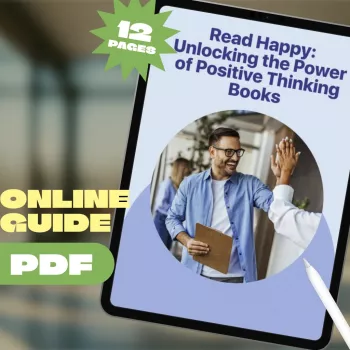
Small shifts in thought create measurable shifts in choices—and choices build the life that follows. Our team created Manifest Your Mindset: Essential Books on Positive Thinking & Manifestation (Digital Download) to help turn positive thinking and manifestation from “nice ideas” into a repeatable daily practice. You’ll use it to clarify what you want, align your inner dialogue with that direction, and follow simple prompts that keep momentum when motivation dips.
This is a grounded approach: intention paired with action, plus reflection that helps you adjust without spiraling into self-criticism. If you like the idea of mindset work but want it to feel practical, this guide is built for you.
What “manifestation” looks like when it’s grounded
Manifestation gets results when it’s treated as a skill you practice, not a mood you wait for. Here’s what that looks like in real life:
- Focus is the first multiplier: when you repeatedly rehearse a direction, your mind becomes better at noticing opportunities that match it.
- Positive thinking isn’t denial: it’s choosing a constructive interpretation that supports better action, especially under stress.
- Micro-actions beat “big energy” days: a clear intention paired with consistent small steps builds traction faster than occasional bursts.
- Emotional regulation matters: calmer nervous-system states make it easier to plan, persist, and communicate.
- Practice wins: short, repeatable steps fit real schedules—and consistency is what changes your baseline.
For extra credibility on the “mind-body” side of this, the American Psychological Association (APA) covers how positive thinking relates to stress and health, and the NCCIH overview of meditation explains how mindfulness practices can support well-being.
Inside the guide: how it helps transform mindset into routines
Our digital guide is designed to move you from “I want to think differently” to “I have a process I can repeat.” You’ll find:
- Mindset reset prompts that help you identify default thoughts and replace them with supportive alternatives.
- Manifestation basics in plain language: intention, belief, attention, and follow-through—without making it feel mystical or complicated.
- Daily reflection pages to track patterns: what lifts energy, what drains it, what keeps repeating.
- Simple visualization frameworks that connect feelings to next actions, so you don’t get stuck in “just imagining.”
- Practical affirmations that are specific enough to feel believable (which is the key to using them consistently).
- A beginner-friendly structure that still feels useful if you already journal, because it emphasizes action alignment and proof-building.
If you want to build a “set it up once, reuse it often” routine, a digital download makes that easier: you can revisit the same prompts weekly, or cycle through them whenever you feel scattered.
A 7-day mindset + manifestation starter plan (repeat as needed)
Use this as a quick start: one focused theme per day, plus a small action that makes the intention real. Keep entries short—consistency creates traction faster than perfect journaling. If you miss a day, restart without “making up” everything; momentum matters more than perfection.
| Day | Focus | Prompt | One small action |
|---|---|---|---|
| 1 | Clarity | What do you want most right now—and why does it matter? | Write a 1-sentence intention and place it where it’s visible. |
| 2 | Awareness | What thought pattern keeps repeating when stress shows up? | Name the pattern and write one alternative thought you can practice. |
| 3 | Belief building | What would “evidence” look like that this is possible? | List 3 past wins (any size) that prove you can follow through. |
| 4 | Visualization | How does the desired outcome feel in your body? | Spend 3 minutes visualizing, then do one concrete next step. |
| 5 | Language upgrade | Which words trigger doubt or pressure? | Rewrite one self-statement into a calmer, more doable version. |
| 6 | Alignment | What habit supports your intention the most right now? | Choose one micro-habit (5–10 minutes) and schedule it. |
| 7 | Integration | What worked this week—and what needs simplifying? | Keep the best 2 practices and repeat the cycle next week. |
Making positive thinking feel believable (so it actually sticks)
The goal isn’t to force “good vibes.” The goal is to build a mental style that supports better decisions. A few practices we include (and you can start today):
Where a digital download shines: flexible, private, repeatable
Create a space that supports the mindset you’re practicing
If you want a clean, modern anchor for your reset corner, our team recommends the Beige Travertine U-Shape Sculpture – Modern Stone Decor for Home Interiors. And if your clearest thinking happens outside, the Lightweight 3L Cycling Backpack for Running, Hiking & Outdoor Sports is an easy way to keep a small notebook, water, and essentials with you for walking reflections.
FAQ
Is this guide better for beginners or for people who already journal?
It’s structured for beginners, but it stays valuable for experienced journalers because it focuses on repeatable prompts, belief-building, and aligning mindset with real actions. You can use it as a reset when you feel stuck or as a simple weekly structure you return to.
How long should the daily practice take?
A realistic range is 5–15 minutes per day, with consistency being the priority. The 7-day plan is intentionally lightweight so you can repeat it without it taking over your schedule.
Can positive thinking and manifestation be used with practical goal-setting?
Yes—mindset work supports behavior change by improving follow-through, emotional regulation, and your willingness to take the next step. Pair intentions with small actions, track progress briefly, and use reflections to adjust what isn’t working.















Leave a comment