How to Create a Lead Magnet That Converts: A Checklist

A lead magnet is a useful resource you offer in exchange for an email address. It gives a potential customer a reason to hear from you while helping them make progress on a problem they already care about.
The strongest ideas are usually focused, practical, and connected to what your business offers. Our printable checklist can serve as a planning companion as you work through the decisions below, whether you’re an entrepreneur preparing a launch or a creator building an audience.
Start With One Audience and One Useful Outcome
Begin by naming the person you want to help. “Small business owners” is a broad audience; “new candle makers preparing for their first market” gives you a clearer picture of what someone needs and when they need it.
Next, identify a problem that person wants to solve now. They might need to pack for an event, write a welcome email, or take better product photos. Choose one outcome that is small enough to deliver through a free resource and useful enough that someone would want to save it.
Connect that outcome naturally to your paid offer. A photographer who teaches product photography could offer a simple shot-planning guide. A consultant who helps businesses onboard clients could share a welcome email template. The resource should stand on its own while introducing the kind of help you provide.
Before you create anything, finish this sentence: “This resource helps this audience accomplish this specific task.” If the promise feels vague, narrow the audience, the task, or both.
Choose a Format That Makes the Result Easy to Use
Choose a format based on how your audience will use the information. A checklist works when readers need to remember a sequence. A template helps when a blank page is the obstacle. A short guide is useful when a task needs a little explanation.
Consider the time someone has available, too. A busy shop owner may be more likely to use a one-page planning tool than a lengthy introduction to an entire subject. The goal is a useful next step, not a resource that attempts to answer every possible question.
| Format | Best for | Example |
|---|---|---|
| Checklist | Completing a repeatable task | Launch-day checklist |
| Template | Starting with a useful framework | Client welcome email |
| Guide | Explaining a focused process | First product photography guide |
Create the Resource and Invitation
Build around actions, not just information. Put steps in a sensible order, explain unfamiliar terms, and add an example or prompt where a reader might get stuck. If you offer a template, show how to adapt it rather than presenting it as a script that fits every business.
For example, a product photography guide could help a seller plan a shot list and choose a consistent background. If your audience works in a specialized setting, the resource can address that context: an underwater photographer might plan around equipment such as our Canon 5D Mark III/IV underwater housing. The free guide’s promise should remain focused on a task the reader can complete.
Once the resource is ready, write a clear opt-in invitation. Name the intended audience and the result, then say what the subscriber will receive. “Get the launch-day checklist for your first craft market” tells a reader more than “Unlock the secrets to success.” Avoid promising sales, subscriber growth, or other outcomes you cannot guarantee.
Keep the form simple. An email address may be all you need; ask for a name only if you have a practical use for it. Explain what someone is signing up to receive, including any future marketing emails, so the exchange is clear.
Deliver, Follow Up, and Improve
Set up a delivery email that arrives promptly and makes the resource link easy to find. Include a brief reminder of what the subscriber requested and one useful next step, such as choosing the first item to complete. Send yourself a test, open the link, and check the experience on a phone before sharing the page.
Follow up with something relevant to the original topic. You might answer a common question, share an example, or explain how your paid offer helps with the next stage. Set clear expectations for future messages and make it easy for readers to unsubscribe. The FTC’s CAN-SPAM compliance guide is a useful starting point for understanding U.S. commercial email requirements.
Share the opt-in page where your audience already encounters your business: on a relevant service page, in a social profile, or alongside a helpful post. Track page visits, sign-ups, and whether delivery emails reach subscribers. Compare sign-ups with visits to see how often visitors opt in, but look at delivery problems separately.
When you improve the page, test one change at a time. Try a more specific headline or a clearer description of the resource, then compare results over a meaningful period. That makes it easier to see which adjustment may have helped.
Keep Your Planning on Track
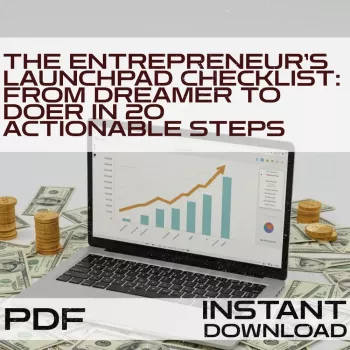
Our lead magnet printable checklist is a step-by-step digital download for entrepreneurs and creators planning a lead magnet. Listed at $5.99, it offers a practical companion as you organize your idea and move toward an invitation your audience can understand.
FAQ
What makes a lead magnet convert?
A strong lead magnet addresses a relevant problem for a specific audience and offers a useful outcome. A clear invitation helps people understand what they will receive and why it matters.
How long should a lead magnet be?
Make it as short as practical while still delivering the promised result. The right length depends on the format and the task.
What should happen after someone signs up?
Deliver the resource promptly, then follow up with a relevant, helpful message. Make expectations about future emails clear and provide an easy way to unsubscribe.














Leave a comment