Hi-Res Dynamic Driver Earphones: Detail Without Fatigue
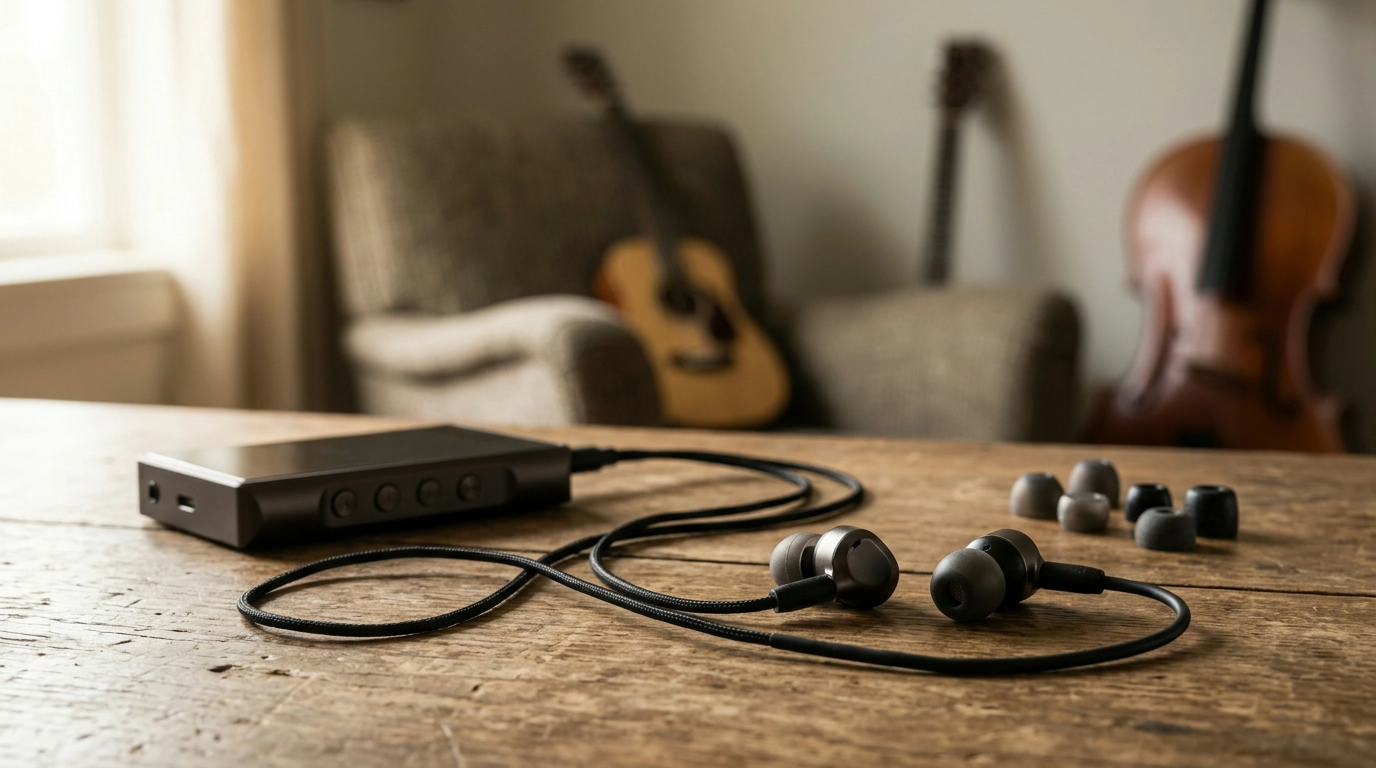
Hi-Res Dynamic Driver Earphones: Studio-Grade Detail for Everyday Listening
Hi-res dynamic driver earphones aim to deliver the natural slam and lifelike tone of a single moving diaphragm, but with tuning that makes it easier to catch the texture in vocals, cymbals, reverb tails, and subtle room ambience. The result, when done well, is a “closer” listen that still feels musical—especially on acoustic recordings, live performances, and modern pop mixes with lots of layering. The key is knowing what “hi-res” can realistically change day to day, and which practical factors—fit, isolation, cable noise, and device pairing—decide whether a premium set truly earns its spot in your carry.
What “Hi-Res” Audio Means in Earphones
“Hi-res” is often associated with wide frequency response and the ability to reproduce high-resolution files. In practice, perceived clarity depends more on tuning, distortion control, and how consistently the earphones seal in your ears. Certifications and logos can be a useful baseline reference (the Japan Audio Society explains its Hi-Res Audio program), but they don’t guarantee a comfortable, fatigue-free sound signature.
The most important reality check: a proper seal changes the sound more than swapping from a standard stream to a hi-res file. If the tips don’t seal, bass will drop off dramatically, and the entire presentation can turn thin and “overly bright.” Conversely, a great seal often restores weight and improves perceived detail because the brain isn’t fighting missing low-end fundamentals.
When shopping for “more detail,” prioritize clean treble rather than simply brighter treble. Peaks in the upper frequencies can create an illusion of added resolution, but they often lead to listening fatigue at normal volumes. Also remember that source material matters: well-mastered tracks reveal layering and microdynamics; heavily compressed mixes can flatten even excellent earphones. For a deeper technical overview of how sample rate and bit depth work, the Audio Engineering Society provides educational resources at aes.org.
Why Dynamic Drivers Still Win for Timbre and Impact
Dynamic drivers use one diaphragm to cover the full range (or most of it), which can translate into cohesive imaging and realistic instrument tone. That cohesiveness is a big reason many listeners describe dynamic-driver sets as “natural,” especially on guitars, pianos, horns, and voices that can sound segmented on some multi-driver designs.
Another advantage is physical bass. A well-designed dynamic driver moves air in a way that makes kick drums feel rounded and tactile, while bass guitar notes can sound fuller rather than “cut out” into separate layers. The best implementations also keep transitions from bass to mids smooth, so vocals stay intact instead of being pushed behind the rhythm section.
Dynamic Driver Listening Traits (What to Listen For)
| Trait | What it sounds like | Quick test track moment |
|---|---|---|
| Bass control | Punchy lows that stop cleanly, no boominess | Kick drum hits that stay separate from bassline |
| Midrange presence | Vocals forward enough to feel intimate, not recessed | Breathy vocal passages without veil |
| Treble smoothness | Cymbals detailed but not sharp or splashy | Ride cymbal pattern stays crisp without glare |
| Soundstage & imaging | Instruments occupy stable positions, not blurred | Panned elements stay locked in place |
| Dynamics | Soft-to-loud changes feel lively, not compressed | Chorus “lift” feels bigger than the verse |
Comfort, Fit, and Isolation: The Real Performance Multipliers
Pairing with Phones, DACs, and Players
Balanced outputs are optional: they can increase headroom on certain players, but they won’t magically “fix” a tuning that’s too bright or a fit that’s unstable. If an earphone sounds thin, a warmer-sounding source or mild EQ can increase long-session comfort without sacrificing the sense of detail. Whatever your setup, listen safely; the World Health Organization shares practical guidance on safe listening to reduce the risk of hearing damage.
Build Details That Matter on a Premium Set
Product Spotlight: Hi-Res Dynamic Driver Earphones
If the goal is dynamic-driver impact without losing fine texture in vocals and percussion, Hi-Res Dynamic Driver Earphones are positioned as a premium, detail-focused option. They’re especially well-suited to acoustic music, vocal-forward tracks, modern pop with layered production, and live recordings where you want to hear the venue ambience and crowd energy without smearing.
At-a-Glance Buying Checklist
| Check | Why it matters | What to verify |
|---|---|---|
| Fit & tips | Seal drives bass and tonal balance | Multiple tip sizes and comfortable nozzle length |
| Daily use | Noise level and movement change perception | Isolation and cable microphonics |
| Device pairing | Output quality affects control and clarity | DAC/adapter plan for phones |
| Listening fatigue | Detail should stay enjoyable | Smooth treble at moderate volume |
Everyday Add-On for Listening on the Move
For listeners who take their gear outdoors or on transit, keeping accessories organized can be as valuable as a minor sound upgrade. The Lightweight 3L Cycling Backpack for Running, Hiking & Outdoor Sports is a practical option for carrying a small DAC, spare tips, and a case without adding bulk—especially if you’re walking, cycling, or commuting and want quick access.
FAQ
Do hi-res earphones require hi-res music files to sound good?
No. Good tuning, low distortion, and a proper seal improve clarity on any well-recorded track, even standard streaming. Hi-res files can help on resolving gear, but mastering quality usually makes a bigger difference than file specs.
Are dynamic driver earphones better than multi-driver earphones?
Neither is universally better. Dynamic drivers often excel at cohesive timbre and bass impact, while multi-driver designs can offer more tailored mid/treble handling; overall performance depends on implementation, tuning, and fit.
How can the same earphones sound different between listeners?
Ear shape, seal quality, tip size/material, insertion depth, and listening volume all change perceived frequency balance and detail. Trying foam versus silicone tips and adjusting insertion for a stable seal usually narrows the difference.
















Leave a comment