Heatless Beach Waves: Soft Summer Texture at Home
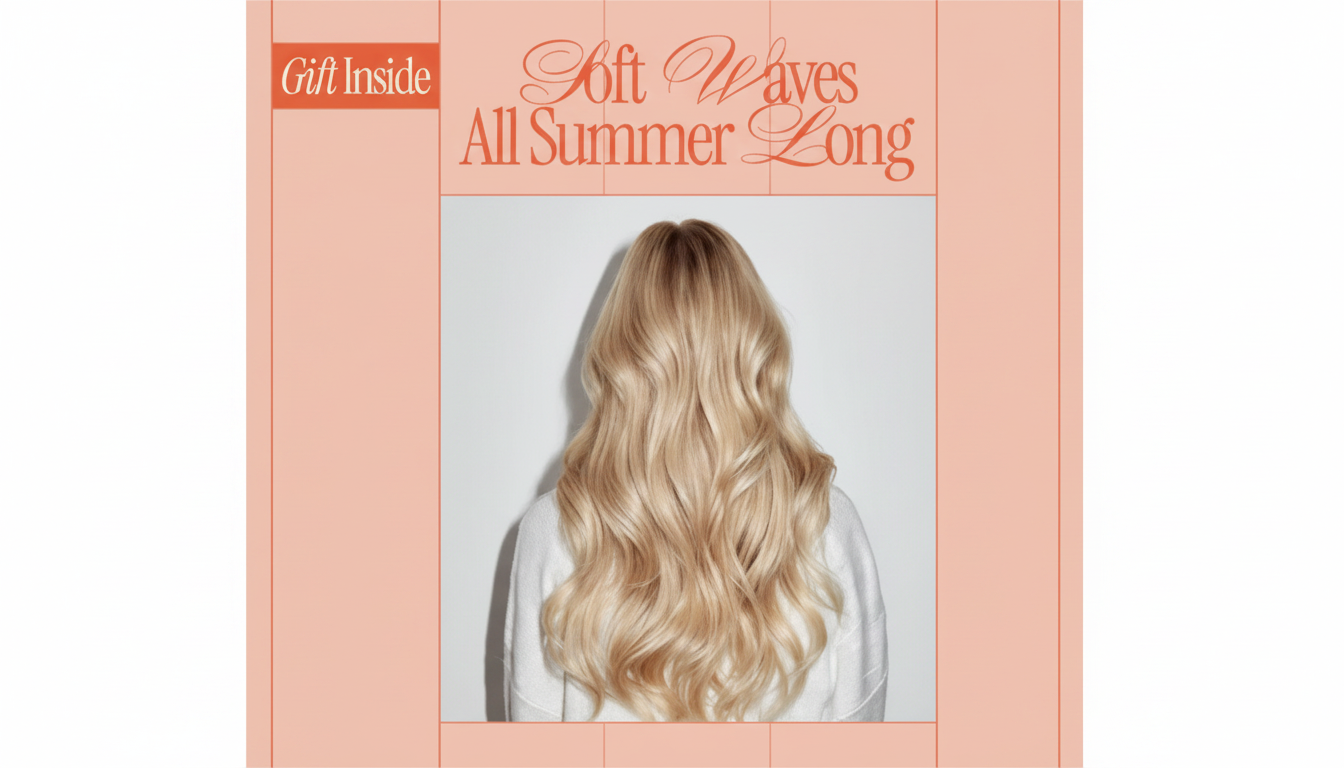
Soft Waves All Summer Long: Heatless Beach Waves at Home
Beachy texture doesn’t have to come from hot tools. With the right prep, a simple overnight set, and a few finishing touches, soft waves can look effortless, feel healthy, and last through warm-weather humidity. The steps below break down easy heat-free methods, how to adjust them by hair type, and how to keep waves touchable (not crunchy) day after day.
What “beach waves” actually look like (and how to keep them soft)
True beach waves aren’t perfect curls—they’re relaxed bends with natural variation. The goal is texture that looks lived-in, not styled-with-a-template.
- Aim for uneven, relaxed S-shapes rather than uniform curls; the ends can stay slightly straighter for a natural finish.
- Softness comes from lightweight hold and controlled moisture—too much product creates stiffness, too little makes waves fall flat.
- The most convincing texture has variation: a few tighter pieces near the face, looser bends through the lengths, and a subtle crown lift.
Prep that makes heatless waves last longer
Heatless sets rely on how hair dries. Dialing in moisture level and product placement makes the difference between waves that hold and waves that vanish by lunch.
- Start with hair that’s 70–90% dry; soaking-wet hair can stay damp and lose shape or frizz as it dries.
- Use a light leave-in conditioner or detangler on mids-to-ends for slip; avoid heavy oils before setting.
- Add a mousse, foam, or light styling cream for memory and hold; concentrate on mids where bends will form.
- If hair is very fine, prioritize root lift (a volumizing spray at the roots) and minimal conditioning near the scalp.
- If hair is coarse or curly, use a smoothing leave-in and consider a small amount of gel diluted with water for humidity resistance.
For everyday hair health basics (washing frequency, gentle handling, scalp care), the American Academy of Dermatology Association’s hair care guidance is a solid reference. And if you’re transitioning away from frequent hot tools, the Cleveland Clinic’s heat-damage overview explains why lowering heat exposure can improve softness and shine over time.
Heatless methods that create beachy texture
Different methods create different “versions” of beach waves—some smoother, some grittier, some more voluminous. Pick based on your length, sleep comfort, and the finish you like.
- Robe-belt (or heatless curling ribbon) wrap: creates bouncy, soft waves with a smooth finish; great for medium to long hair.
- Two-braid set: classic, fast, and reliable; waves lean more crimped if braids are tight—loosen sections for a beachier bend.
- Twist-buns (2–4 buns): produces airy, undone texture; ideal when time is short and hair is shoulder-length or longer.
- Sock/bandana wrap: comfortable to sleep in; good for loose waves and volume without tight ringlets.
- Pin curls for short hair: smaller sections around the face add movement; crown can be set with larger pins for softness.
Heatless wave methods at a glance
| Method | Best for | Drying/Set time | Wave result | Notes for softness |
|---|---|---|---|---|
| Robe-belt wrap | Medium–long hair; straight to wavy | Overnight or 4–8 hours | Polished soft waves | Use larger sections for a beachier bend; avoid over-wrapping the ends |
| Two braids | Most lengths; great for beginners | Overnight or 3–6 hours | Textured S-waves | Braid loosely from mid-length; scrunch out with a drop of serum |
| Twist-buns | Fine to medium hair; quick volume | 2–6 hours | Loose, undone waves | Secure with soft scrunchies; don’t twist too tightly |
| Sock/bandana wrap | Long hair; comfort sleepers | Overnight | Soft bend + volume | Keep ends tucked gently; finish with flexible-hold spray |
| Pin curls | Short–medium hair; detail around face | 2–8 hours | Controlled movement | Use larger pin curls for softness; separate minimally |
Step-by-step: robe-belt waves for a relaxed, beachy finish
This method is a favorite for summer because it creates bend without crunch and looks especially natural once the pieces are broken up with your fingers.
If you like having a repeatable routine you can follow without guesswork, this step-by-step resource pairs well with the method above: Soft Waves All Summer Long – Heatless Beach Wave Guide.
Step-by-step: braids and twist-buns (fast options that still look natural)
Finishing: definition without crunch
Make the waves last: day-2 and day-3 refresh routine
Keeping a simple routine can also free up time and budget for what matters in summer—if you’re organizing a calmer at-home rhythm beyond hair care, Zen-Savvy Savings Checklist: The Japanese Way to Build Wealth with Calm and Clarity is a helpful companion for building consistent habits.
Troubleshooting common heatless wave problems
A simple way to follow along step-by-step
FAQ
Do heatless beach waves work on straight hair?
Yes. Start with slightly damp hair, use mousse or a light styling cream for hold, choose smaller sections than you would on naturally wavy hair, and don’t unravel until hair is fully dry.
Is it better to do heatless waves on wet or dry hair?
Mostly-dry hair (about 70–90% dry) tends to work best. Very wet hair can frizz and take too long to dry, while fully dry hair may not set well without the right product.
How can waves last all day in humidity?
Use a humidity-resistant styler before setting, minimize touching once hair is released, and finish with a flexible-hold spray. A tiny amount of serum on the ends can help seal frizz without weighing waves down.











Leave a comment