Half-Cord Firewood Rack: Heavy-Duty Cover & Airflow Tips
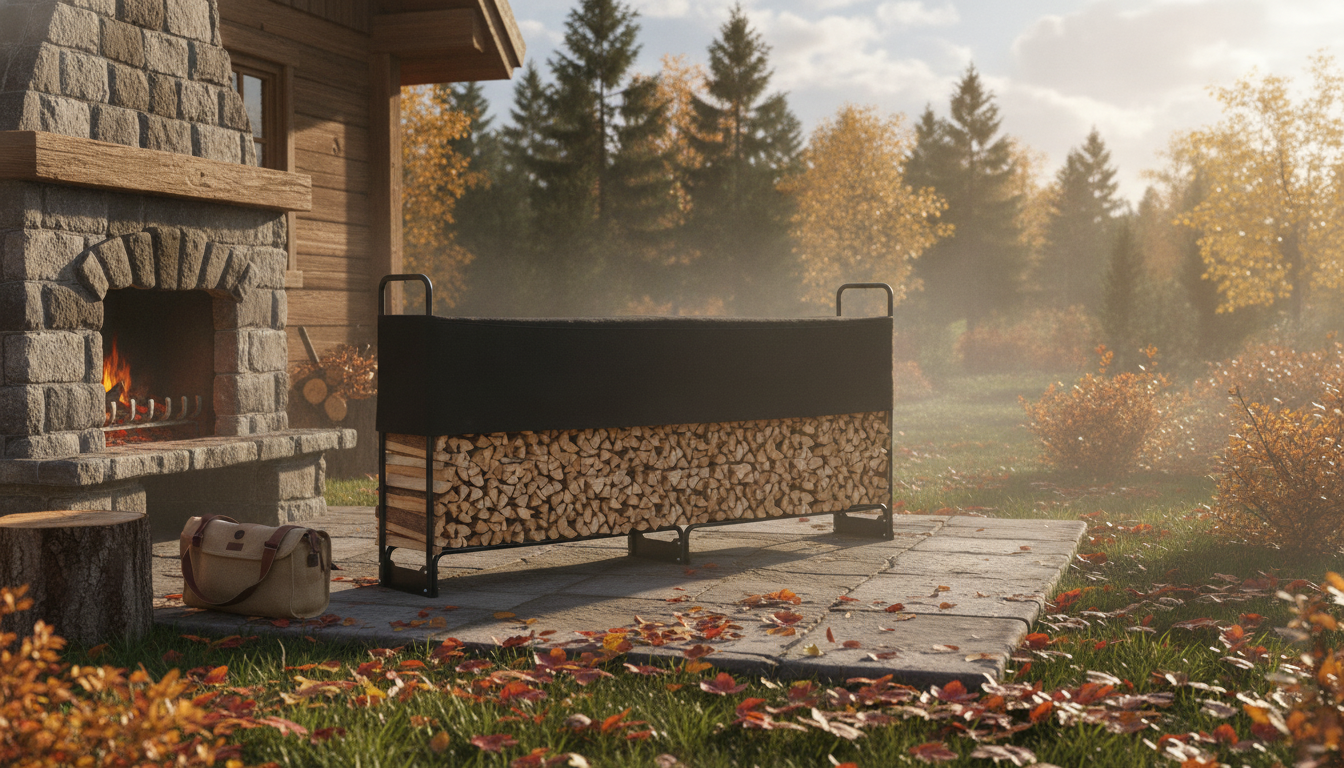
Why a Heavy-Duty Firewood Rack Matters Outdoors
A sturdy outdoor firewood rack does more than keep a pile tidy. By lifting logs off the ground, it improves airflow, helps wood dry more evenly, and reduces the muddy, bark-and-bug mess that tends to collect beside a porch or shed. When the rack includes a waterproof cover, you get an extra advantage in wet seasons: the top of the stack stays drier, which is where rain and snow do the most damage.
A half-cord rack is a practical “middle size” for many homes—enough wood to support regular burning without committing space to a full-cord storage area. The goal is simple: stable stacking, reliable weather protection from above, and ventilation that supports seasoning.
What a Half-Cord Rack Is Best For
- Regular fireplace or wood-stove use: A half cord offers a steady supply without the footprint of a full-cord stack.
- Convenient locations: It fits well on patios, beside sheds, in side yards, or near a back door—so long as you maintain safe clearance.
- Cleaner, drier storage: Elevated rails reduce moisture wicking from soil and standing water, and they make it less inviting for pests to nest underneath the pile.
- Smarter rain and snow protection: A fitted cover sheds precipitation while leaving the ends open enough for airflow.
Key Features to Look For in a Heavy-Duty Outdoor Rack
- Frame strength: Thicker metal tubing, reinforced joints, and a wide base help prevent bowing as the stack settles and the weight shifts.
- Elevated rails: Keeping logs off the ground slows rot and helps reduce mold in damp climates.
- Secure cover attachment: Straps or buckles matter when gusts try to lift the cover like a sail.
- Cover material durability: A truly waterproof top panel, solid stitching, and UV resistance help the cover last through sun exposure without cracking.
- Ventilation-friendly coverage: The best covers protect the top but don’t “seal” the entire pile, which can trap humidity and slow seasoning.
Capacity and Fit: Understanding “1/2 Cord”
Firewood volume is measured by how much space the wood occupies once stacked. A full cord equals 128 cubic feet (commonly stacked 4 ft × 4 ft × 8 ft). A half cord is 64 cubic feet—often a better match for smaller yards or for people who restock periodically rather than storing an entire season’s supply at once.
Real-world fit depends on log length and how consistently the wood is cut. A uniform 16-inch split stacks tightly and behaves predictably on a rack. Mixed lengths and irregular pieces take up “air space,” lowering usable capacity even if the rack looks full.
Quick capacity reference
| Measure | What it means | Why it matters for storage |
|---|---|---|
| Full cord | 128 cubic feet (4×4×8 ft) | Baseline for comparing delivered quantities |
| Half cord | 64 cubic feet | A practical size for steady use and limited space |
| Typical log length | Often 16 inches | Helps estimate how neatly wood will stack |
For stability, start with flatter pieces on the bottom and keep the top layer level so the stack doesn’t form a ridge that can roll or slide. If you notice a lean, restack sooner rather than later—small shifts become bigger shifts after a few storms and freeze-thaw cycles.
Waterproof Cover: Keeping the Top Dry Without Trapping Moisture
Most unwanted moisture enters a stack from above. That’s why a top cover is typically more effective than fully wrapping firewood like a tarp cocoon. When a cover is tensioned and slightly overhangs the stack, water sheds away instead of dripping into the center.
- Leave the ends breathing: Partial end exposure lets wind move through and carry moisture away.
- Prevent pooling: After heavy rain or wet snow, shake off standing water and clear leaves or twigs so seams aren’t stressed.
- Keep it snug: A loose cover flaps, rubs, and can funnel water where you don’t want it.
For more guidance on burning cleaner and why properly seasoned wood matters, the EPA’s resources are a helpful reference: EPA Burn Wise – Seasoned Wood.
Placement and Safety Around the Home
For home fire safety resources and general guidance, see: NFPA – Firewood and Home Fire Safety.
Setup, Loading, and Long-Term Care
Maintenance checklist
| Task | Timing | Benefit |
|---|---|---|
| Retighten fasteners | After first load; then each season | Keeps the rack rigid under shifting weight |
| Remove water pooling on cover | After heavy rain/snow | Helps prevent sagging and seam fatigue |
| Check for corrosion | Every few months | Catches paint chips early before rust spreads |
| Re-stack uneven piles | When leaning is visible | Reduces tip risk and improves drying |
Recommended Picks for Simple, Weather-Ready Storage
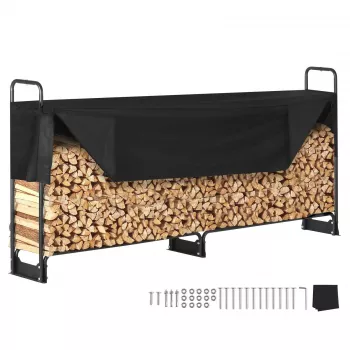
- Heavy-Duty Outdoor Firewood Rack with Waterproof Cover – Holds 1/2 Cord of Wood
- Lightweight 3L Cycling Backpack for Running, Hiking & Outdoor Sports (handy for kindling runs, trail carry, or outdoor chores)
For additional firewood basics and seasoning references, the USDA Forest Service offers useful background materials: USDA Forest Service – Firewood basics and seasoning.
FAQ
Does a waterproof cover prevent firewood from seasoning?
No—seasoning depends on airflow. A top cover helps by keeping rain and snow off the stack while leaving the ends and sides able to vent; avoid fully wrapping the pile and keep the wood elevated.
How much wood is a half cord in practical terms?
A half cord is 64 cubic feet of stacked wood (half of a full cord’s 128 cubic feet). How much fits on a rack can vary with log length, split size, and how tightly the stack is built.
Should firewood be stored right against the house?
It’s better to leave space between the rack and siding or foundations to reduce pests and moisture issues. Keep it convenient for access, but not flush against exterior walls.













Leave a comment