Guess Women’s Brown Belt: Styling, Fit & Care Guide
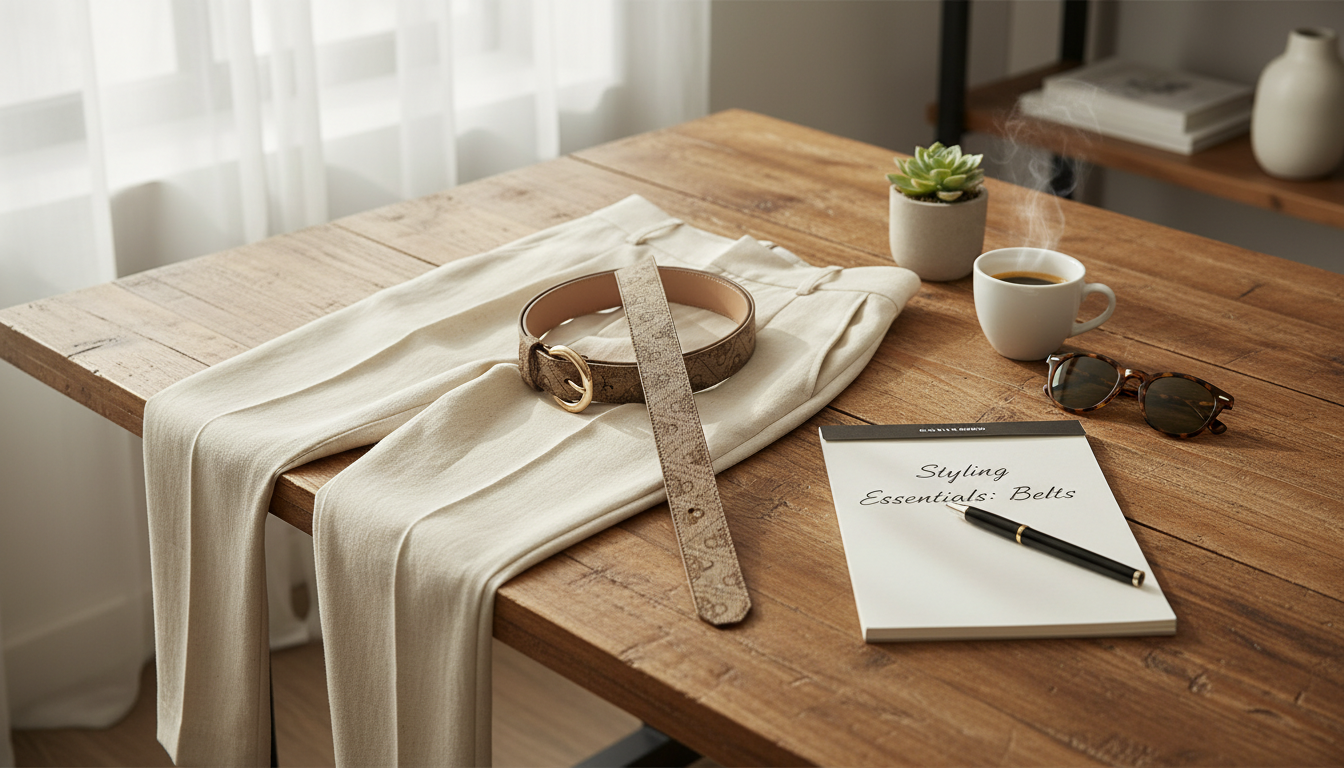
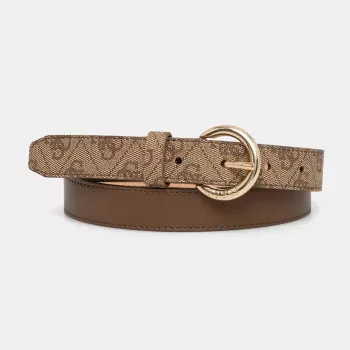
Guess Women’s Brown Belt: Everyday Polish with a Designer Finish
A brown belt is one of the easiest ways to pull an outfit together—adding shape at the waist, balancing proportions, and giving denim or tailoring a more finished look. The right brown belt also makes getting dressed faster: it “connects” your shoes, bag, and jewelry without feeling as stark as black. Below is a practical guide to choosing a quality women’s belt, styling a brown designer belt across seasons, and keeping it looking new between wears. For more guidance, see New Guess Women’s Black Belt with Red Accent.
Why a Brown Belt Earns a Permanent Spot in the Closet
- Easy color harmony: Brown pairs effortlessly with denim washes, neutrals, camel tones, and most warm-color palettes.
- Instant definition: Cinch a dress, add structure to an oversized blazer, or sharpen high-waist trousers with one simple accessory.
- Versatile formality: It bridges casual-to-smart outfits—equally at home with jeans and with tailored pants.
- Daytime-friendly polish: Brown is often more forgiving than black for daytime outfits while still looking refined.
Product Snapshot: Guess Women’s Brown Belt
If you want a designer-looking belt that can live in your weekly rotation, the Guess Women’s Brown Belt fits the brief: clean, wearable, and easy to style with denim, trousers, and belt-loop dresses. The warm brown tone works especially well if you already own tan bags, gold jewelry, or brown boots—those pieces start to look coordinated without feeling overly “matched.” For further reading, see Guess Silver studded embellished genuine leather belt size Small.
It’s also an easy win for travel capsule wardrobes: one belt can pull together repeat outfits (jeans one day, trousers the next) while keeping silhouettes intentional. For gifting, a classic brown belt is practical, size-flexible when chosen carefully, and useful year-round.
At-a-Glance Details
| Item | Details |
|---|---|
| Product name | Guess Women’s Brown Belt |
| Price | 41.02 USD |
| Availability | In stock |
| Product page | https://uniqualle.com/guess-womens-brown-belt/ |
Fit and Sizing: Getting the Right Length the First Time
- Use a belt you already love: Measure from the buckle pin to the most-used hole on a belt that fits well, then compare that to sizing guidance.
- Measure where you’ll actually wear it: For waist styling (over dresses or blazers), measure your natural waist. For jeans, measure where your waistband sits—often lower on the hips.
- Target the middle holes: Fastening in the middle gives flexibility for different rises, tucks, and seasonal layers (a tee versus a chunky knit).
- If you’re between sizes: Decide based on styling intent—hip-sitting for denim versus higher placement for waist definition over dresses and outerwear.
How to Style a Brown Designer Belt
- Denim uniform: Medium-wash jeans + a white tee + loafers. Add a brown belt to anchor the look and make a simple outfit feel finished.
- Work-ready: Tailored trousers + a tucked blouse. Keep the belt tone close to your shoes for a clean visual line that reads polished.
- Dress cinch: Belt a midi dress to shape the silhouette. Let the belt do the work and keep accessories minimal for a modern, uncluttered finish.
- Layered outerwear: Belt a blazer or trench to create structure and highlight the waist—especially useful when you want definition over looser layers.
- Quick color wins: Brown looks especially good with cream, beige, olive, navy, and rust, adding warmth without overpowering the outfit.
Material and Hardware: What Signals Quality Over Time
- Structure matters: A good belt should feel firm but not stiff; overly soft belts can stretch, ripple, and lose their shape faster.
- Neat edges last longer: Smooth edge finishing and even stitching (or clean edge paint) helps reduce fraying and keeps the belt looking crisp.
- Solid hardware is a quiet upgrade: A buckle that feels substantial and sits securely reduces wobble, scratching, and premature wear at stress points.
- Choose a flexible brown tone: A medium brown often pairs with the widest range of shoes and bags—ideal if you want one belt to cover many outfits.
Care and Storage: Keep the Shape, Color, and Finish
For general material guidance and responsible leather standards, see the Leather Working Group. For practical cleaning and conditioning basics, Good Housekeeping’s cleaning guides are a helpful starting point.
Outfit Formulas for Different Occasions
- Weekend: Straight-leg jeans + a knit sweater + sneakers. A brown belt adds a tidy waistline when you do a partial tuck.
- Office: High-waist trousers + a button-down + a low heel. The belt visually connects top and bottom for a streamlined look.
- Evening casual: Black jeans + a satin cami + a blazer. Brown softens the contrast, adds warmth, and feels less severe than black accessories.
- Travel: Relaxed trousers + a fitted tank + an overshirt. A belt keeps proportions balanced and makes repeat basics look intentional—pair it with a compact carry option like the Lightweight 3L Cycling Backpack for Running, Hiking & Outdoor Sports for hands-free days.
FAQ
Should a women’s belt match shoes and bag?
Exact matching isn’t required; coordinating undertones is usually enough. Browns can mix as long as they’re in the same warmth family, and matching buckle metal to your jewelry is an easy way to unify the look.
How do you choose the right belt width for jeans vs. dresses?
For jeans, choose a medium width that fits standard belt loops. For dresses and waist definition, a slimmer belt looks cleaner, while wider belts work best as statement shaping over blazers or outerwear (as long as there are no loop restrictions).
How should a belt fit—how much tail is normal?
Aim to fasten near the middle hole so you have room to adjust tighter or looser. The tail should tuck neatly into the keeper without excessive overhang; if it’s consistently too long, sizing down or adding a second keeper can help.








Leave a comment