Eco-Soft Pocket Cloth Diaper: Fit, Inserts, Wash Tips
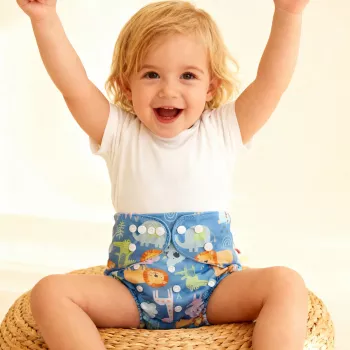
Eco-Soft Reusable Pocket Cloth Diaper for Babies
A pocket cloth diaper is built for reuse, adjustable fit, and customizable absorbency. Instead of relying on a single disposable core, pocket diapers use inserts that you can add, remove, and position to match your baby’s needs through the day. The Eco-Soft Reusable Pocket Cloth Diaper for Babies is designed for everyday comfort, frequent changes, and a simpler low-waste routine that can also help reduce ongoing diaper costs over time.
Reusable diapering works best when the diaper feels good on your baby, fits reliably, and is easy to wash on repeat. The sections below walk through what pocket diapers do, how to dial in inserts, and how to troubleshoot leaks and skin irritation with practical, real-world tips.
What a Pocket Cloth Diaper Does
Pocket diapers are popular because they combine a stay-dry feel with flexible absorbency. Once you get the routine down, they’re straightforward to use day after day.
- Pocket-style design: A stay-dry inner layer sits against baby’s skin, while absorbent inserts slide into a pocket to handle wetness.
- Custom absorbency: Add or remove inserts depending on naps, overnight sleep, or heavier wetting phases.
- Reusable routine: Rotate multiple diapers through wear → storage → wash → dry, so you always have clean diapers ready.
Choosing reusables is one way to cut down on single-use items; the U.S. Environmental Protection Agency offers a helpful overview of reducing and reusing basics that applies to many household routines, including baby care.
Highlights of the Eco-Soft Diaper
The Eco-Soft pocket diaper focuses on comfort and repeatability: easy to wear, easy to adjust, and designed to keep up with regular washing.
- Soft feel for daily wear and frequent changes.
- Pocket opening supports flexible insert placement (front, middle, or full-length coverage).
- Designed for repeat washing and reuse with a simple care routine.
- Budget-friendly entry point for trying cloth diapering (listed price: $6.01).
Quick specs
| Item | Details |
|---|---|
| Product | Eco-Soft Reusable Pocket Cloth Diaper for Babies |
| Type | Pocket cloth diaper (reusable) |
| Availability | In stock |
| Price | $6.01 USD |
| Product page | View Eco-Soft diaper |
Fit and Comfort Checklist
Most leaks and many comfort issues come down to fit. A pocket diaper should look tidy on the body, with elastics gently hugging (not squeezing) and the rise adjusted so the diaper doesn’t sag under the weight of inserts.
- Waist: The top should sit below the belly button with a snug, secure seal—tight enough to prevent gaps, but not digging in.
- Legs: Aim for smooth elastic contact with no gaps. Light marks can be normal; deep red marks that last beyond a few minutes usually mean it’s too tight.
- Rise/length: Adjust so fabric doesn’t droop and the diaper doesn’t sag after adding inserts.
- Clothing: Pair with stretchy pants or sized-up bottoms to prevent compression leaks (tight clothes can push moisture out of inserts).
How to Set Up Inserts for Different Needs
Inserts are where pocket diapers really shine. You can keep things trim for daytime, then increase absorbency for naps, longer outings, or overnight.
Insert setup guide (general starting points)
| Use case | Absorbency approach | Fit note |
|---|---|---|
| Daytime | 1 insert (moderate absorbency) | Keep bulk low for mobility |
| Nap | 1–2 inserts (moderate to high) | Check leg seal before sleep |
| Overnight | 2 inserts or boosted absorbency | Avoid over-tightening; prioritize leak-free seal |
| Outings | Slightly higher absorbency than usual | Pack a wet bag and 1–2 spares |
Washing and Care (Simple, Repeatable Routine)
Good cleaning habits matter in any household routine. For general sanitation principles—like thorough cleaning and appropriate handling of contaminated materials—the CDC’s resources on cleaning and sanitation basics provide useful context.
Leak Prevention and Common Fixes
Skin Comfort and Diaper Rash Basics
If you use barrier creams, choose options that are compatible with cloth. Some thicker ointments can impact absorbency; a liner can help keep creams off the fabric. For health guidance and signs that warrant a call to your pediatrician, the American Academy of Pediatrics has a clear overview of diaper rash and care tips.
Building a Practical Cloth Diaper Stash
For on-the-go organization, a small daypack can also help keep spare inserts, wipes, and a change of clothes together. The Lightweight 3L Cycling Backpack for Running, Hiking & Outdoor Sports is an in-stock option that can work as a compact carry-all for quick errands (pair it with a dedicated wet bag for used diapers).
Where This Diaper Fits in a Low-Waste Routine
With a budget-friendly price and a familiar pocket style, the Eco-Soft Reusable Pocket Cloth Diaper for Babies fits well into a practical routine: adjust inserts, keep a steady wash schedule, and fine-tune fit as your baby grows.
FAQ
How often should a pocket cloth diaper be changed?
Most babies do well with changes about every 2–3 hours during the day, while newborns often need more frequent changes. If you’re aiming for longer stretches, increase absorbency and check skin often to prevent irritation.
Do pocket diapers work overnight?
Many families use pocket diapers overnight by boosting absorbency with extra inserts, ensuring a snug leg and waist seal, and avoiding tight pajamas that can cause compression leaks. Results vary by baby, so it may take a few nights of adjustment to find the most reliable setup.
How do pocket cloth diapers get cleaned without lingering odors?
A two-step routine helps most: a short pre-wash/rinse followed by a main wash with enough detergent and sufficient water for agitation. If odors persist, review detergent dosing, confirm thorough rinsing, and fully dry diapers and inserts between uses.














Leave a comment