Crush the Debt: How to Budget and Pay Off Debt
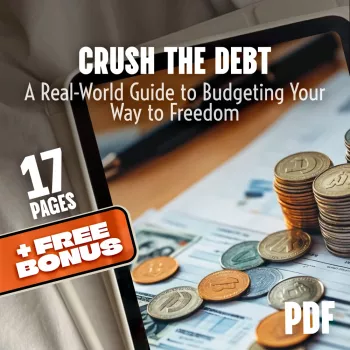
Paying down debt starts with knowing where your money goes and deciding what you can realistically put toward your balances. Our Crush the Debt PDF eBook is a practical option for exploring budgeting and debt payoff strategies without expecting instant results. A series of manageable choices can help you build a plan that fits your life.
Start With a Clear Picture of Your Money
Begin by listing your monthly take-home income: the money that reaches you after taxes and other payroll deductions. If your income varies, consider using a conservative estimate based on recent months rather than counting on your best month.
Next, record your essential expenses, including housing, utilities, groceries, insurance, and transportation. List each debt separately with its current balance, minimum payment, and interest rate. This gives you the information you need to compare payoff approaches and see how much your required payments add up to.
Look beyond this month, too. Annual subscriptions, car maintenance, medical costs, and other irregular expenses can disrupt a budget if you leave them out. Review recent bank and credit card statements to spot these costs and estimate how much to set aside each month.
A Simple Monthly Budget Starting Point
| Category | What to Record | Example |
|---|---|---|
| Income | Take-home pay and other reliable income | $3,000 |
| Essentials | Housing, utilities, food, and transportation | $2,000 |
| Minimum debt payments | Required payments across all debts | $300 |
| Other priorities | Savings, flexible spending, and extra debt payments | $700 |
The figures are examples, not recommended spending limits. Divide your remaining money among your priorities based on your actual bills and needs. If your expenses exceed your income, address that gap before committing to extra debt payments.
Our Crush the Debt budgeting eBook offers a way to explore these decisions further. For additional budgeting resources, the Consumer Financial Protection Bureau’s Your Money, Your Goals collection covers spending, savings, and debt.
Choose a Debt Payoff Approach
Once you know what you owe, choose a method for directing any money available beyond your minimum payments. Two common approaches are avalanche and snowball.
Debt avalanche
Make the minimum payment on every debt, then direct extra money toward the debt with the highest interest rate. Once that balance is paid, move the amount you were paying on it to the next-highest-rate debt. This approach can reduce interest costs compared with paying lower-rate debts first.
Debt snowball
Make the minimum payment on every debt, then put extra money toward the smallest balance. When it is paid, move that payment to the next-smallest balance. Clearing a small debt sooner may offer an encouraging early win, though you could pay more interest than with the avalanche method.
Your balances, rates, and payment amounts affect the outcome. You can compare both approaches and choose the one you are most likely to follow consistently. Either way, continue making required payments on all your debts.
Make Your Budget Work in Real Life
Set spending limits you can maintain rather than cutting every flexible expense to zero. If groceries regularly cost more than your first estimate, adjust the category and decide where the difference will come from. A budget is a plan you can revise, not a test you pass or fail.
Schedule payments around payday when possible, and review due dates so you know what must be covered before your next deposit. Automatic payments or reminders may help you stay organized, provided enough money is available in your account.
Where feasible, build a modest emergency cushion while keeping up with required payments. Even a small amount set aside for an unexpected expense may help you avoid adding to a credit card balance. The right amount depends on your income, expenses, and access to other support.
Leave room for planned purchases as well. For example, if you are considering our lightweight 3L cycling backpack, compare its cost with your flexible spending allowance before buying. Waiting and saving for a nonessential purchase can keep your debt plan intact.
If minimum payments are becoming difficult, contact your creditors promptly to discuss available options. A reputable nonprofit credit counselor can also help you review your budget and choices. The Federal Trade Commission’s guide to getting out of debt explains options and cautions to consider when seeking help.
Explore Crush the Debt
Our team offers Crush the Debt as a PDF eBook for readers looking for budgeting tips and a debt payoff strategy. The listed price is $17.99 USD; visit the product page linked above for current purchase details.
To start today, gather your recent statements and identify one adjustment you can make. That might mean setting a realistic grocery limit, canceling an unused subscription, or scheduling a small extra payment after your essentials are covered. Review your progress next month and adjust as needed.
FAQ
Should I save money or pay off debt first?
Both can matter. Keep up with minimum debt payments and, where feasible, set aside a manageable emergency cushion that may help prevent new debt. Your priorities depend on your circumstances.
Which debt should I pay off first?
Paying the highest-interest debt first can reduce interest costs, while paying the smallest balance first may provide motivating early wins. Make minimum payments on every debt whichever approach you choose.
What format is Crush the Debt available in?
Crush the Debt is a PDF eBook. Visit the product page for current purchase details.














Leave a comment