Construction Toy Vehicle Play Ideas for a Busy Jobsite
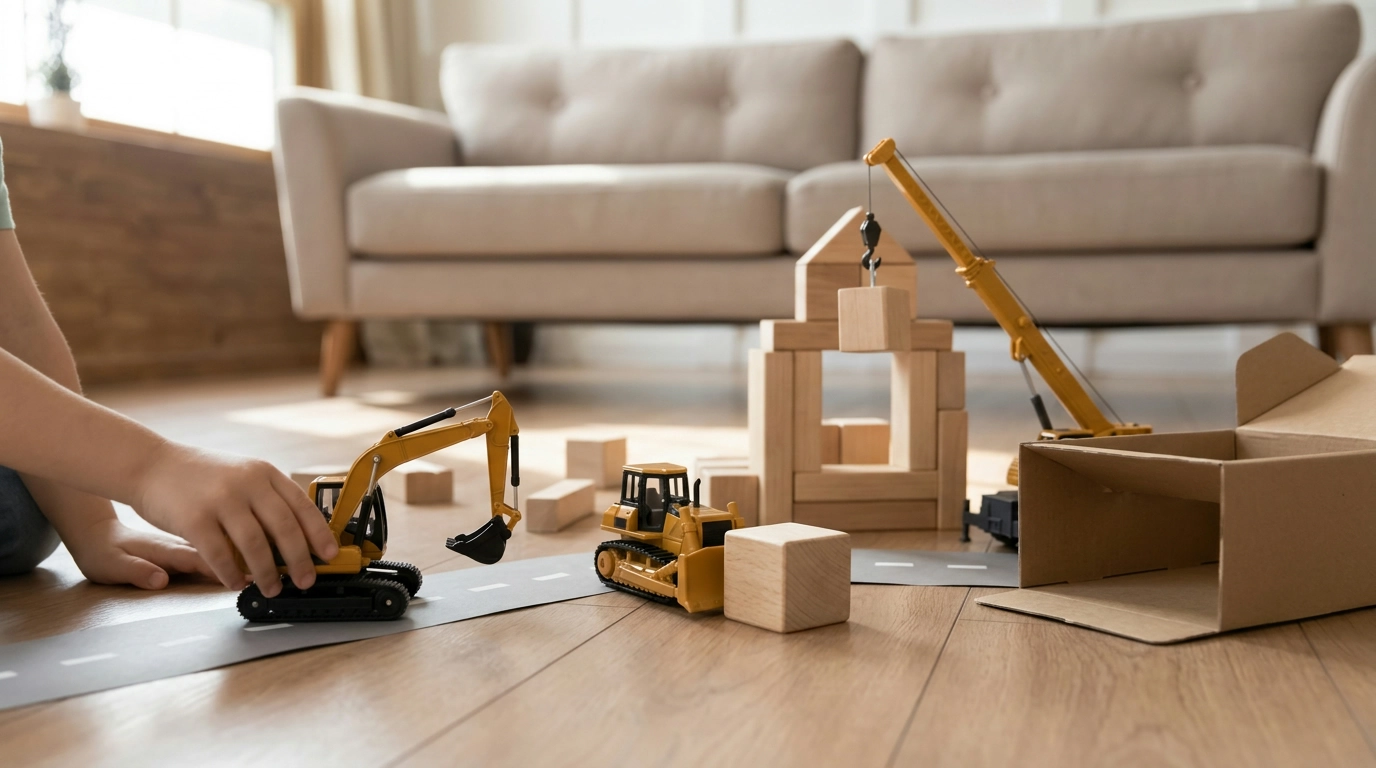
A crane, bulldozer, and excavator can turn a clear patch of floor into a busy make-believe jobsite. Give each machine a task, add a few blocks or boxes, and you have the start of a project that can change every time you play. Our Diecast Engineering Construction Toy Vehicles – Crane, Bulldozer, Excavator & More offer a construction theme for this kind of hands-on play. Before ordering, use the product’s age guidance and warnings to decide whether the vehicles fit your household.
Give Every Vehicle a Job
Start with what children can see construction machines do. An excavator digs, a bulldozer pushes material, and a crane lifts loads. You don’t need a lesson on engineering to get the game moving: name a job, then let the child decide how to do it.
For a small project, ask, “How can we make a road to the new building?” A child might clear the route first, dig beside it, and bring supplies to the site. If they choose a different order, that becomes part of the story. Our team likes prompts that invite decisions rather than prescribe every move.
| Vehicle | Pretend job | Question to spark play |
|---|---|---|
| Excavator | Dig a foundation | Where should the building go? |
| Bulldozer | Clear a path | What needs to move first? |
| Crane | Lift pretend supplies | Where should this load be placed? |
Once the first job is done, leave room for surprises. Perhaps a toy needs help reaching the other side of the room, or the vehicles must deliver supplies to a town made of blocks. Construction play works just as well when the plan changes halfway through.
Make a Jobsite with Things You Already Have
You can build a setting without buying a separate playset. Stack blocks for buildings, lay folded paper on the floor for roads, and turn an empty box into a garage or loading bay. A sheet of paper can mark the future bridge; another can be a parking area where vehicles wait for their next assignment.
Choose pretend cargo with the child in mind. Larger, age-appropriate blocks or other suitable household items may be easier to manage than tiny loose pieces. If a child may put objects in their mouth, keep small items out of the play area. For broader guidance on selecting and using toys, see the U.S. Consumer Product Safety Commission’s toy safety guidance.
A beginning and an ending can give the game a comfortable rhythm. Clear the site, put up a building, deliver the last load, then drive each vehicle back to its garage. The trip home makes cleanup feel like the final job rather than an interruption.
Choose Vehicles That Fit the Child and the Space
Age guidance matters more than a construction theme or a child’s enthusiasm for trucks. Read the manufacturer’s recommendations and warnings, especially when younger siblings may reach the toys. Consider how the child tends to play, too: a child who is still exploring objects by mouth needs a different setup from one who can reliably keep toys and pretend cargo on the play surface.
Think about where the jobsite will live. A tray can define a compact project, while a play mat or clear floor area gives vehicles more room to travel. Leave walking paths open, and choose a spot where the child can pause without having to dismantle everything immediately.
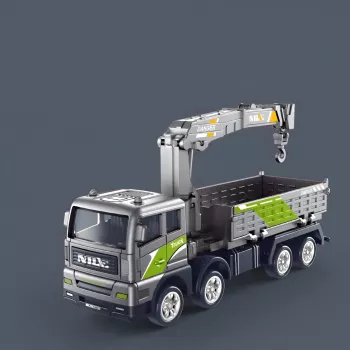
Our construction vehicle collection is an option when you want familiar machines to assign different roles. Review its current selection and product details before ordering rather than assuming a particular vehicle or feature is included. If you’re packing an approved set of toys for an outing, a separate bag can help keep your own travel essentials organized; our Lightweight 3L Cycling Backpack for Running, Hiking & Outdoor Sports is an option for adults considering a compact day bag, not a required part of the jobsite.
Keep Construction Play Comfortable and Safe
Follow the manufacturer’s age recommendations and supervise play as appropriate for the child. Before play begins and from time to time afterward, look for damage, loose parts, or sharp edges. Set aside a damaged vehicle rather than returning it to the toy area.
Give the machines a place to work, such as the floor, a tray, or a sturdy tabletop suited to the child’s age. Encourage driving and placing the vehicles instead of throwing them. When the project is finished, gather the vehicles and any pretend cargo together so you can account for the pieces before the next build.
There’s no need to direct every scene. Ask what the crew needs next, listen to the answer, and let the child’s plan take shape. The National Association for the Education of Young Children’s play resources offer more ideas for supporting child-led play.
FAQ
What can children do with construction toy vehicles?
They can clear a pretend road, dig a foundation, move suitable supplies, or build a town with blocks and boxes. Letting them assign jobs gives the story room to grow.
Are these construction vehicles suitable for toddlers?
Don’t assume a toddler age range. Follow the product’s age guidance and warnings, and consider small parts and whether younger children in your home can access the play area.
What can I use to make a pretend construction site?
Try blocks for buildings, folded paper for roads, and empty boxes for garages or loading bays. Choose pretend cargo that is age-appropriate and avoid small loose items around children who may put objects in their mouths.














Leave a comment