Compact Portable Power Bank Guide: Specs, Safety & Travel
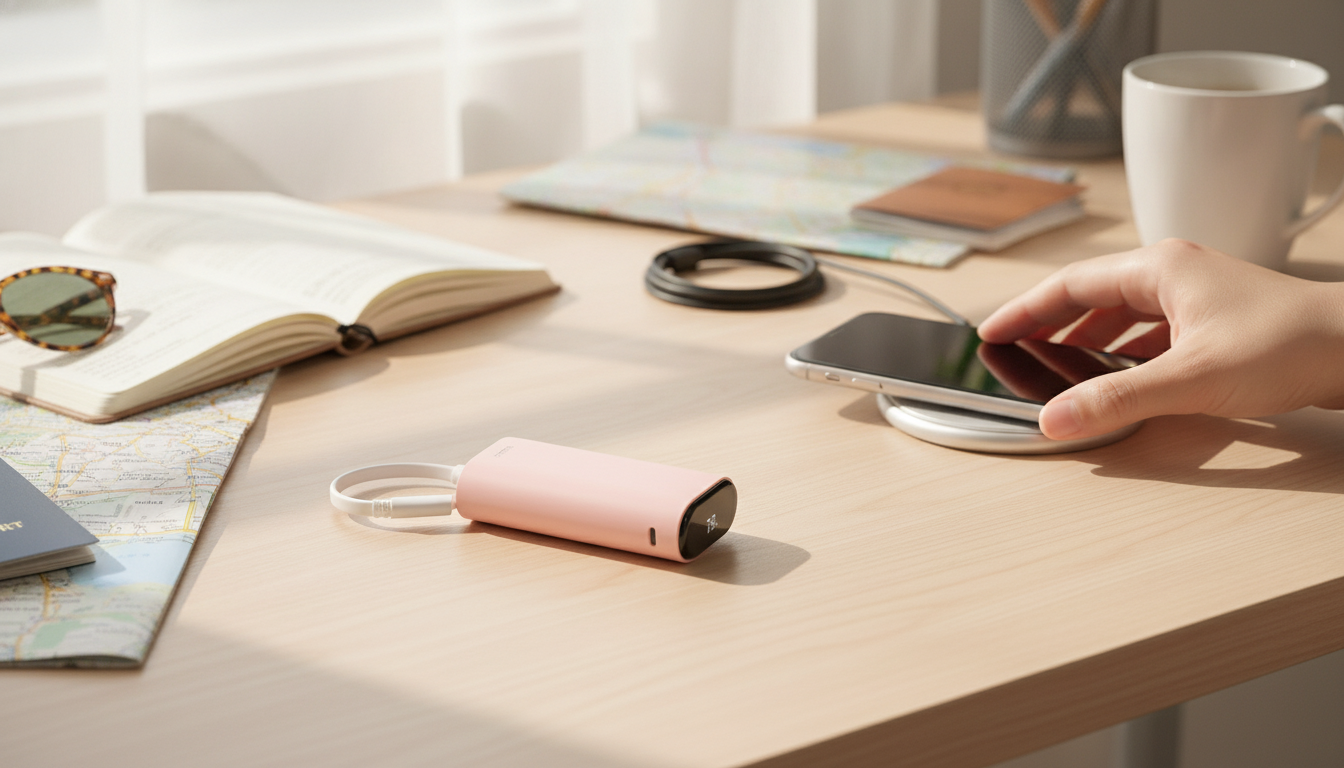
Compact Portable Power Bank: Pocket-Size Backup Power for Busy Days
A compact portable power bank is a simple way to keep a phone, earbuds, or small gadgets running when outlets aren’t available. The best options balance size, capacity, charging speed, and safety features, so it’s easier to top up devices during commutes, travel days, events, and outdoor time without carrying a bulky brick.
What a Compact Power Bank Is Best For
When a charger and wall outlet aren’t realistic, a pocket-size power bank can be the difference between staying connected and watching the battery hit 1% at the worst time.
- Quick top-ups during commuting, classes, conferences, and errands
- Emergency backup power for navigation, ride-share, and messaging
- Charging small accessories like wireless earbuds, fitness trackers, and portable lights (device-dependent)
- Reducing outlet hunting while traveling, especially during long connections or delays
- Keeping a “grab-and-go” kit ready in a bag, glove compartment, or desk drawer
Compact models shine when portability matters more than maximum capacity. If a device is with you every day, it’s more likely to be used when it counts.
Key Specs That Matter (and What They Mean Day to Day)
Power banks can look similar on a product page, but their specs affect daily convenience—how fast you charge, what cables you need, and whether the bank feels worth carrying.
- Capacity (mAh/Wh): Higher capacity generally means more recharges, but also more size and weight.
- Output power (W): Determines how quickly compatible devices can charge; higher wattage helps with fast charging.
- Ports: Common options include USB-A, USB-C, and built-in connectors on some compact models.
- Input charging: USB-C input often recharges the power bank faster than older micro-USB designs.
- Pass-through charging (if supported): Can charge a device while the bank recharges, but may add heat.
- Battery type and protection: Look for protection against overcharge, overcurrent, overheating, and short circuit.
Compact Power Bank Spec Checklist
| Spec | Why it matters | What to look for |
|---|---|---|
| Capacity (mAh) | How much energy is stored | Enough for at least one meaningful top-up without adding bulk |
| Rated output (W) | Charging speed potential | Fast-charge support if the phone/tablet uses it |
| Port selection | Compatibility with cables/devices | USB-C plus another option, or built-in connector if preferred |
| Size & weight | How likely it is to be carried daily | Pocketable profile for everyday carry |
| Safety protections | Device and user safety | Multi-protection circuitry and quality build |
| Recharge time | How fast the bank refills | USB-C input and an appropriate wall charger |
Real-World Charging Expectations
Printed capacity is a helpful starting point, but real-life results depend on efficiency and charging conditions. A few practical expectations keep surprises to a minimum:
- Usable energy is lower than the printed capacity due to voltage conversion and efficiency losses.
- Charging speed depends on the whole chain: the phone, cable, and the bank’s supported charging standards.
- Heat increases during fast charging; keeping the bank out of direct sun helps maintain performance.
- Older devices may charge more slowly even with a high-output bank if they don’t support modern fast-charge profiles.
- Multiple devices can slow each other down if total output is shared across ports.
For day-to-day use, a compact bank is most satisfying when it reliably delivers one solid recharge or a couple of partial boosts without adding noticeable weight.
Safety, Longevity, and Care Tips
Lithium-ion batteries are safe when well-designed and treated with basic care. To help a power bank last longer and stay cooler during use:
For more background on lithium-ion safety, see UL Solutions’ lithium-ion battery safety overview.
Travel Notes: Carry-On Rules and Airline Limits
Current guidance is summarized by the FAA PackSafe page on batteries and portable chargers.
A Pocket-Friendly Option to Consider
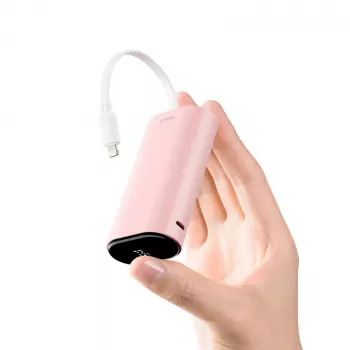
If the goal is everyday backup power that doesn’t feel like a brick in your pocket, the Compact Portable Power Bank is an easy grab for commutes, event days, and travel connections. It’s a good fit for anyone prioritizing portability over carrying the largest possible capacity.
To keep your setup streamlined, pair a compact bank with a short cable that matches your device and supports the charging mode your phone uses. For a quick primer on modern charging standards (including USB-C and Power Delivery), the USB-IF USB Type-C and USB PD resources are a helpful reference.
For active days, a small pack can keep power accessible without digging through a suitcase. The Lightweight 3L Cycling Backpack for Running, Hiking & Outdoor Sports works well for carrying a phone, cable, and compact charger on walks, rides, festivals, and short hikes.
FAQ
How many times can a compact power bank charge a phone?
It depends on your phone’s battery size and the power bank’s usable capacity after conversion losses. As a simple example, a bank with enough usable energy for roughly one full phone recharge may deliver one full charge or a full charge plus a partial top-up, depending on efficiency and how you use the phone while charging.
Is it safe to use a power bank overnight?
Quality power banks typically include protection circuits to help prevent overcharging and overheating, but it’s still best to charge on a hard, breathable surface with a good cable and away from heat. When practical, unplug once everything is full to reduce unnecessary heat and long-term battery wear.
Can a power bank go in checked luggage?
Most airlines require power banks to be packed in carry-on luggage due to lithium battery safety rules. Check your airline’s specific policy and make sure the capacity label on the power bank is visible in case it’s requested.













Leave a comment