Cooler Rides: Breathable Bike Saddle Cushion Cover
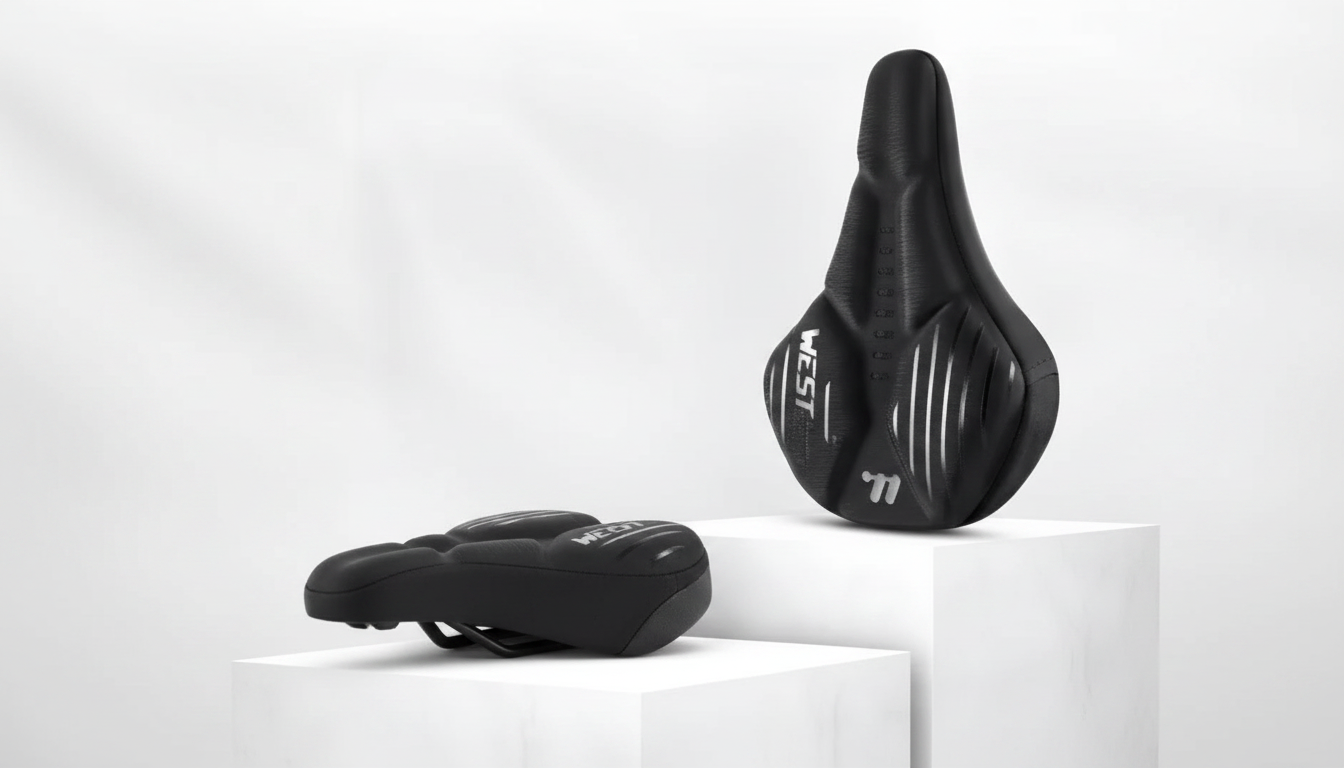
High-Elastic Breathable Bike Saddle Cushion Cover for Cooler, More Comfortable Rides
A saddle cushion cover can be a quick upgrade when a seat feels too firm, causes hot spots, or leads to chafing on longer rides. This high-elastic, breathable cover is designed to add compliant padding and airflow while staying stable on the saddle, helping reduce discomfort without changing the entire bike seat. It’s a practical option for commuters, weekend riders, and indoor trainers who want a smoother contact surface and less heat buildup where it matters most.
What a Saddle Cushion Cover Changes (and What It Doesn’t)
A good cover changes the “interface” between rider and saddle—often the main source of discomfort—without altering the bike itself. That’s helpful when you like your saddle shape but want it to feel less harsh.
- Adds a soft interface layer to reduce pressure peaks and friction points on the sit bones.
- Improves ventilation and sweat management compared with non-breathable covers.
- Can help with minor fit issues, but won’t fix an incorrect saddle width or poor bike fit.
- Best results come from combining the cover with correct saddle height and a level saddle angle.
For riders dealing with ongoing numbness or perineal pressure, it’s worth understanding that comfort is multi-factor: saddle shape, tilt, posture, and time in one position all matter. The Urology Care Foundation has helpful guidance on cycling-related numbness (https://www.urologyhealth.org/), and research summaries on perineal pressure are available via the National Library of Medicine (https://pmc.ncbi.nlm.nih.gov/).
Comfort Features to Look For in a High-Elastic Breathable Cover
Not all cushion covers feel the same on the road. The most comfortable models tend to balance stretch, airflow, and supportive padding—without becoming bulky or unstable.
- High-elastic structure: stretches to conform to different saddle shapes while maintaining a snug, non-bunching fit.
- Breathable surface: helps reduce heat buildup that often contributes to chafing and irritation.
- Cushioning layer: dampens road vibration and reduces the “hard edge” feeling on firm saddles.
- Anti-slip fit: minimizes shifting during climbs, cadence changes, and frequent repositioning.
- Low-profile design: adds comfort without making the saddle feel overly tall or unstable.
Quick Checklist: Features and Why They Matter
| Feature | Why it matters on rides | Practical check before buying/using |
|---|---|---|
| High elasticity | Reduces wrinkles and pressure points by conforming to the saddle | Stretch it by hand; it should rebound quickly and feel evenly tensioned |
| Breathable top layer | Helps manage sweat and reduces heat-related discomfort | Look for visible ventilation texture/mesh feel rather than slick plastic-like surfaces |
| Cushioning thickness | Takes the sting out of rough pavement without feeling bulky | Aim for supportive padding that doesn’t compress to nothing when pressed |
| Secure underside/edges | Prevents sliding that can cause rubbing and constant readjusting | Check for a grippy underside and stable edge finishing |
| Easy on/off | Encourages cleaning and swapping between bikes | Confirm it can be installed without tools and stays tight when seated |
Getting the Best Fit on Different Saddle Shapes
Fit is where comfort covers either feel “invisible” in the best way—or become a source of irritation. The goal is a smooth surface with even tension.
- Match the cover size to the saddle profile: narrow road saddles, wider comfort saddles, and hybrid/commuter styles fit differently.
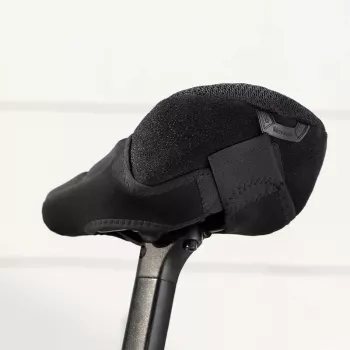
- Install by centering the cover at the saddle nose first, then pull evenly toward the rear to avoid skewing.
- Check for bunching near the saddle rails and at the rear corners; small wrinkles can become irritation after 30–60 minutes.
- After installation, do a short test ride and re-tension if any side-to-side drift is felt.
A small adjustment makes a big difference: if the cover creeps forward, it can change where your hips settle; if it drifts sideways, you may unconsciously twist to compensate. Both can lead to new hot spots even when the padding feels plush at first touch.
When This Type of Cover Helps Most
A breathable cushion cover is especially useful when ride conditions amplify heat, moisture, or repeated pressure in one zone.
- Commuting and errands: reduces discomfort during repeated short rides in everyday clothes.
- Longer weekend rides: adds cushioning and breathability to reduce hot spots and sweat buildup.
- Indoor training: improves comfort when stationary riding concentrates pressure in one area.
- Recovery rides: provides a gentler contact surface when returning after time off.
Care, Cleaning, and Longevity
Breathable materials work best when they’re kept clean and able to dry fully. A few habits can help maintain stretch and reduce odor.
Pairing Comfort Upgrades for Longer Days
Product Snapshot and Where to Get It
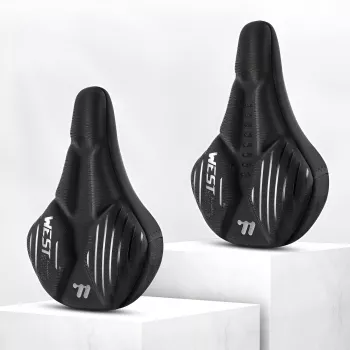
- High-Elastic Breathable Bike Saddle Cushion Cover: Designed to add cushioning and airflow to common bike saddle shapes, with a high-elastic fit intended to stay stable during pedaling and position changes.
- Lightweight 3L Cycling Backpack for Running, Hiking & Outdoor Sports: A compact carry option to keep essentials off your pockets, helping reduce shifting and pressure points during longer rides.
FAQ
Will a saddle cushion cover stop numbness while cycling?
It can reduce pressure peaks and friction, but persistent numbness often involves saddle shape/width, tilt, and overall bike fit. Check that the saddle is level, refine posture, and take periodic standing breaks to restore circulation.
Does a breathable cover help with saddle sores and chafing?
Breathability can reduce heat and moisture, which often lowers friction and irritation risk. Cleanliness, drying after rides, and choosing the right shorts or underwear still play a major role.
How do you keep a saddle cover from slipping?
Center it carefully, tension it evenly from nose to rear, and confirm the underside grips a clean, dry saddle surface. After a short test ride, re-seat the cover if you feel any side-to-side drift.













Leave a comment