Adjustable Outdoor Stair Railing for 1–5 Steps
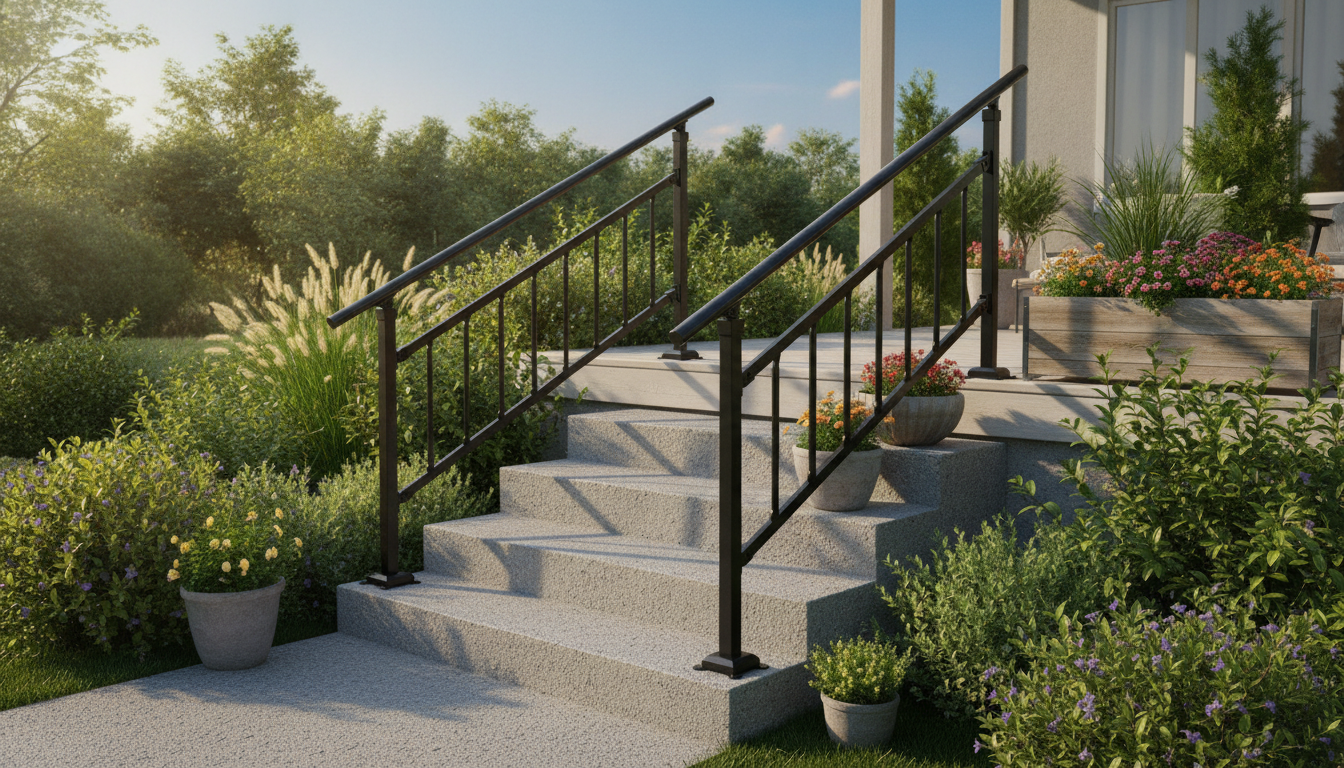
Outdoor Stair Railing for 1–5 Steps: Adjustable Heavy-Duty Wrought Iron Support
A stable outdoor handrail can reduce slips on steps exposed to rain, snow, and daily wear. When the stair count is short (like 1–5 steps), the biggest challenge is usually fit: the pitch can vary a lot from one porch to another, and many entryways have tight clearances near doors and trim. An adjustable, heavy-duty wrought iron stair railing is built to solve those real-world issues—matching the angle, anchoring securely, and providing a dependable grab point for everyday use.
Where an Adjustable Outdoor Handrail Makes the Biggest Difference
- Entryway steps, porch stairs, and deck transitions where footing changes quickly at the threshold and surfaces may be slick from rain.
- Garden or walkway steps that get damp, muddy, or leaf-covered throughout the year.
- Rental properties and multi-occupant homes where consistent support can improve accessibility for different residents and guests.
- Households with kids, older adults, or anyone recovering from injury who benefits from a predictable, easy-to-grab support point.
Key Features to Look For in a Heavy-Duty Wrought Iron Stair Railing
Not all “adjustable” railings behave the same once they’re bolted down. A good outdoor handrail should feel rigid under normal lateral pressure, keep its finish intact, and remain comfortable to use with bare hands or gloves.
- Adjustable angle/height range to match different step counts (commonly 1–5 steps) and varied stair pitches.
- Wrought iron or robust steel construction with a protective finish to resist rust and chipping outdoors.
- Secure base plates and pre-drilled mounting points for solid anchoring into concrete, brick, or wood framing.
- Comfortable grip profile: a rounded/ergonomic top rail and smooth edges to avoid snags.
- Stable end-to-end geometry: minimal wobble when lateral force is applied during normal use.
- Hardware quality: outdoor-rated fasteners and anchors that match the mounting surface.
Measurements That Ensure the Railing Fits the First Time
Most installation headaches come from skipping two steps: measuring the actual pitch and confirming that the base plates can sit flat without interfering with door swing. Before drilling, confirm the railing will land where you can use it naturally—without forcing an awkward reach at the top or bottom step.
- Count the risers/steps the handrail will cover (this style is typically for 1–5 steps) and confirm the usable run length.
- Measure stair angle (pitch): adjustability should accommodate steep or shallow slopes without twisting the posts.
- Check landing space: base plates should sit flat and shouldn’t collide with door trim or thresholds.
- Confirm handrail height needs: many guidelines place the gripping surface around 34–38 inches above the stair nosing (verify local requirements).
- Plan clearance: allow enough space between the rail and nearby surfaces for a full-hand grip.
| What to measure | How to measure | Why it matters |
|---|---|---|
| Number of steps (risers) | Count each vertical rise from ground to landing | Determines whether the railing range and post positions will align |
| Stair angle (pitch) | Use a digital angle finder or measure rise/run | Ensures the adjustable rail can match the slope without stressing joints |
| Mounting surface | Identify concrete/brick vs. wood; inspect for cracks/rot | Dictates anchor type and long-term stability |
| Handrail height target | Measure from stair nosing up to desired grip height | Improves comfort, accessibility, and code alignment (local rules vary) |
| Landing/door clearance | Measure base plate footprint and door swing path | Prevents installation conflicts and trip hazards |
Installation Overview: Getting a Solid, No-Wobble Mount
A railing can be heavy-duty and still feel loose if it’s mounted with the wrong anchors or tightened unevenly. Aim for full contact under each base plate and consistent torque on hardware.
Durability Outdoors: Finish, Weather, and Maintenance
Safety and Code Considerations Before Buying
For reference, review the International Residential Code (IRC) handrail/guard provisions, the ADA handrail standards, and OSHA guidance on stairways and handrails (often used for workplace settings, but helpful for safety context).
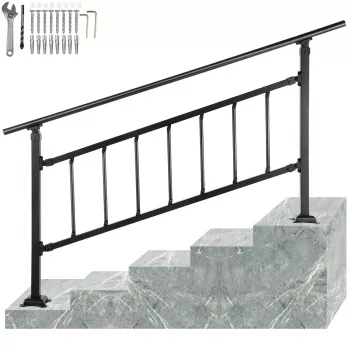
Product Snapshot: Adjustable Wrought Iron Railing for 1–5 Steps
Shop In-Stock Options
- Outdoor Stair Railing – Adjustable Handrail for 1-5 Steps, Heavy-Duty Wrought Iron
- Lightweight 3L Cycling Backpack for Running, Hiking & Outdoor Sports
- Beige Travertine U-Shape Sculpture – Modern Stone Decor for Home Interiors
FAQ
Can an adjustable outdoor stair railing be used on 1 step as well as 5 steps?
Yes—adjustability helps the rail match different stair angles and the post positions needed for short runs, but it’s important to verify your exact step count, pitch, and base plate placement before drilling. Always dry-fit to confirm the handrail height and door/landing clearance.
What’s the best way to anchor a wrought iron handrail to concrete?
Use outdoor-rated masonry anchors sized for your base plate holes, drill with the correct concrete bit to the proper depth, and clear dust from each hole so anchors seat firmly. Tighten the base plate fasteners gradually in a cross pattern and avoid mounting into cracked or spalling concrete without repair.
How do you keep an outdoor metal handrail from rusting?
Start with a weather-resistant finish (such as powder coating), rinse off salt and grime periodically, and touch up any chips promptly with exterior metal paint. Seasonal checks to re-tighten fasteners and inspect joints help prevent moisture from working into gaps over time.













Leave a comment