Checkered Kitchen Cloths: Absorbent Reusable Towels
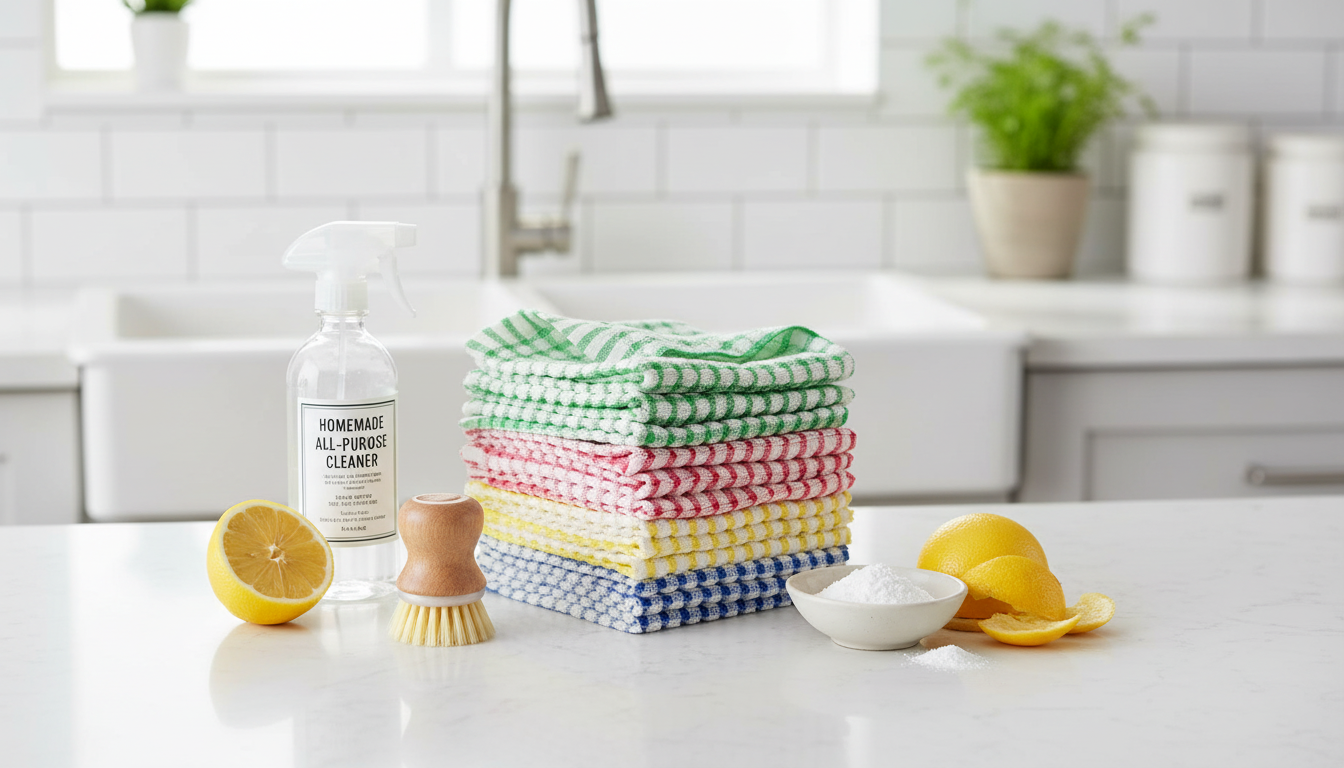
Premium Checkered Kitchen Cleaning Cloths: Absorbent, Reusable Towels for Everyday Messes
Checkered cleaning cloths are a practical upgrade for day-to-day kitchen wipe-downs—built to soak up spills, lift grease, and handle repeated washing while staying ready for the next task. A good set can streamline everything from quick crumb pickups to post-dinner sink cleanup, all while cutting back on disposable paper products. Below is a clear, kitchen-first guide to what makes checkered cloths effective, where they work best, and how to keep them fresh over time.
What Makes Checkered Cleaning Cloths Useful in the Kitchen
Kitchen messes are rarely just “wet.” They’re often a mix of water, oils, food residue, and fine dust. Checkered cleaning cloths help because they’re designed to handle that mix without falling apart after a few wash cycles.
- High absorbency helps manage spills quickly and reduces the need for paper towels—especially for water rings, coffee drips, or a tipped glass.
- Reusable by design supports frequent tasks like counter wipe-downs, dish drying, and appliance touch-ups without constantly restocking disposables.
- Checkered patterning can help hide minor staining between washes and makes cloths easier to sort by job (for example, one stack for dishes, another for counters).
- Soft-but-grippy feel is often gentler than abrasive scrubbers on finishes like stainless steel, glass, and sealed stone—while still offering enough “grab” to lift smears.
Best Uses Around the Kitchen (and How to Get Better Results)
Small technique changes can make the same cloth perform better—especially for streak-prone surfaces and greasy splatter.
- Counters and islands: Lightly dampen the cloth for crumbs and smears; finish with a dry pass to reduce streaks.
- Stovetops and backsplashes: Use warm water with a small amount of dish soap; fold the cloth to present clean sides as grease lifts.
- Sink and faucet: Use a dedicated cloth to reduce cross-contamination; rinse thoroughly after wiping the basin.
- Dish drying and glassware: Use a clean, dry cloth for polishing; avoid softener residue that can leave marks.
- Quick spot cleaning: Keep one cloth slightly damp in a ventilated spot for fast cleanup, then launder frequently.
Common kitchen tasks and the ideal cloth setup
| Task | Cloth condition | Helpful add-on | Tip |
|---|---|---|---|
| Wiping counters | Damp | Mild dish soap | Fold into quarters and rotate to a clean face often |
| Cleaning greasy splatter | Warm damp | Degreasing dish soap | Let soap sit briefly before wiping |
| Drying dishes | Dry | None | Use a dedicated cloth reserved for drying only |
| Polishing stainless steel | Slightly damp then dry | Water only (often enough) | Wipe with the grain; buff dry to reduce streaks |
| Sanitizing high-touch spots | Damp | Kitchen-safe disinfectant | Follow product label contact time and rinse if required |
Absorbency, Reuse, and Texture: What to Look For
Not all kitchen cloths behave the same after a week of real use. The most dependable sets balance liquid pickup, scrub feel, and wash durability.
- Absorbency: A cloth that holds water well reduces drips and speeds up cleanup after spills.
- Durability through washing: Since laundering is essential for hygiene, sturdier cloths tend to hold their shape and performance longer.
- Texture balance: Enough texture to lift stuck-on messes without scratching common kitchen surfaces.
- Size and thickness: Larger cloths cover more area; thinner cloths dry faster. Many kitchens benefit from a mix in the drawer.
- Color/pattern organization: Assign cloths by zone (food-prep surfaces vs. general cleaning) to keep routines simple and consistent.
Care and Washing Routine for Long-Lasting Cloths
Reusable cloths only stay pleasant to use if they’re rinsed, washed, and dried with a little intention. A basic routine also helps reduce lingering odors and film that can cause streaking.
- Rinse after use: Remove food residue and excess grease before it sets into the fibers.
- Wash regularly: Launder kitchen cloths frequently, especially after wiping raw-meat prep areas or handling greasy spills.
- Skip fabric softener when possible: Softener can reduce absorbency and cause streaking on glass and stainless steel.
- Dry thoroughly: Ensure cloths dry completely between uses to help prevent odor; rotate cloths so none stay damp for long.
- Retire or repurpose: Move older cloths to less sensitive tasks (like floors or baseboards) once they no longer clean well.
For kitchen hygiene fundamentals, helpful references include the CDC food safety basics and the USDA FSIS guidance on cleaning and sanitizing. When using disinfectants, follow label directions and appropriate product listings such as the EPA List N.
Simple System: Keep Cloths Cleaner and Reduce Cross-Contamination
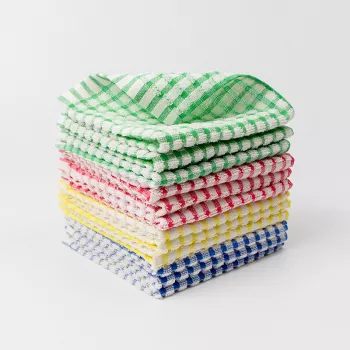
Premium Checkered Kitchen Cleaning Cloths – Absorbent & Reusable Towels
If you want a dependable daily driver for routine wipe-and-rinse cleanup, Premium Checkered Kitchen Cleaning Cloths – Absorbent & Reusable Towels are designed to fit naturally into everyday kitchen rhythms. The checkered look also makes it easy to keep simple “roles” (like one set for counters and one for drying) without overthinking it.
More In-Stock Picks
- Multi-Functional Cat Tree with Litter Enclosure, Food Station & Storage
- Timberland Men’s Brown Leather Boots
- Zen-Savvy Savings Checklist: The Japanese Way to Build Wealth with Calm and Clarity
FAQ
How often should kitchen cleaning cloths be washed?
For general wiping, washing daily or every 1–2 days helps keep odors and bacteria in check. Wash immediately after contact with raw-meat prep areas or heavy grease, and make sure cloths dry fully between uses.
Can reusable kitchen cloths replace paper towels?
Reusable cloths work well for most daily jobs like spills, counter wipe-downs, dish drying, and polishing. Paper towels can still be useful for very oily messes or situations you prefer not to launder afterward; either way, hygiene depends on rinsing, washing, and drying cloths consistently.
Why do kitchen cloths start to smell, and how can it be prevented?
Odor usually comes from cloths staying damp too long, plus trapped food or grease in the fibers. Rinse thoroughly after use, hang to dry with airflow, rotate multiple cloths, and wash frequently (a hotter cycle can help when the fabric allows).















Leave a comment