7.4 GPM Indoor Propane Tankless Heater: Setup & Use
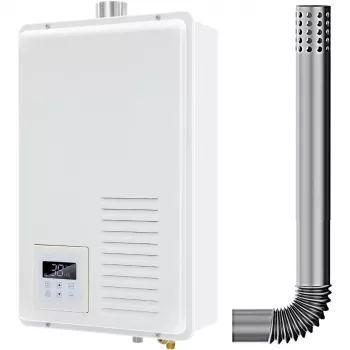
Propane Tankless Water Heater (7.4 GPM) for Indoor Instant Hot Water: What to Expect and How to Set It Up Right
A propane tankless water heater built for indoor installation can deliver steady hot water without storing it in a tank—if your home’s demand, venting, and gas supply are matched to the unit. Below is what “7.4 GPM” can realistically cover, how to plan a safe indoor setup, and what to maintain so day-to-day hot water stays consistent.
What “7.4 GPM” really means in daily use
The headline flow rate is not a fixed promise at every temperature. Tankless heaters are rated by how much water they can heat while achieving a specific temperature rise. If your incoming water is cold in winter, the heater must work harder to raise it to your setpoint—so the usable GPM can drop.
“Instant hot water” also means continuous heating, not instant delivery at the faucet. Wait time is mostly the volume of water sitting in the pipe between the heater and the fixture. Longer runs and uninsulated pipes typically mean more time (and more water) before hot arrives.
In many homes, a 7.4 GPM propane unit can comfortably support one higher-flow shower plus a sink, or two low-flow fixtures at once, depending on your inlet temperature and chosen setpoint. Checking seasonal groundwater/inlet temperatures helps set expectations—especially if you’re in a cold region or on a well.
To stretch capacity, consider low-flow fixtures and (where appropriate) a thermostatic mixing valve to deliver a safer, consistent temperature at the tap while the heater runs efficiently.
| Scenario | Approx. total flow | When it’s likely to feel comfortable | When it may fall short |
|---|---|---|---|
| One shower + one bathroom sink | 3.0–4.5 GPM | Moderate climates, typical low/medium-flow showerheads | Very cold inlet water or high-flow showerhead |
| Two showers (low-flow) | 4.0–5.0 GPM | Mild-to-moderate inlet temperatures, similar shower setpoints | Cold climates or simultaneous high-temp demand |
| Kitchen faucet + dishwasher fill | 2.5–4.0 GPM | Normal dishwashing routines and moderate setpoint | If other fixtures run at the same time |
| One large tub fill | 4.0–7.0 GPM | When inlet water isn’t extremely cold | If trying to fill fast at high temperature rise |
Indoor installation basics: venting, air supply, and placement
Indoor propane tankless units must be vented exactly as the manufacturer specifies and as local code requires. Vent material, diameter, allowable run length, elbows, slope (if applicable), and termination location all affect safe exhaust and reliable combustion. If you want a deeper overview of venting and safety expectations, NFPA guidance is a helpful reference point: NFPA 54: National Fuel Gas Code.
Combustion air is equally important. In a tight, well-sealed home, the heater may need dedicated make-up air or a specific venting configuration. Starved air can cause poor combustion, nuisance shutdowns, or performance swings.
Propane supply planning: regulator, line sizing, and tank readiness
Temperature control and comfort: dialing in stable hot water
Operating costs and efficiency: what changes versus a tank
Tankless heaters typically reduce standby losses because they aren’t keeping a full tank hot 24/7. In lower-use homes (or homes where hot water use is spread throughout the day), that can make a noticeable difference. For background on how demand-type heaters work and where savings can come from, see the U.S. Department of Energy overview of tankless water heaters.
There’s also a water-savings angle: shorter pipe runs, pipe insulation, and smart recirculation can reduce how much water goes down the drain while you wait. If you’re upgrading fixtures, EPA WaterSense is a solid starting point for understanding low-flow performance options.
Maintenance checklist for reliable performance
When this style of heater is a strong fit—and when it isn’t
Product snapshot: 7.4 GPM indoor propane tankless option
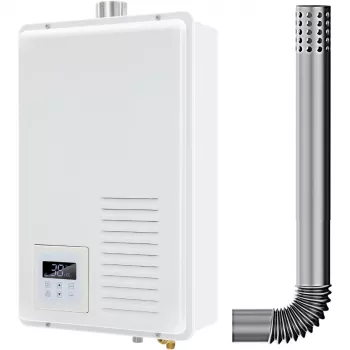
If you’re looking for a mid-capacity indoor unit designed for on-demand hot water, consider the Propane Tankless Water Heater, 7.4 GPM, Indoor Use, Instant Hot Water. Best results come from correct venting, adequate combustion air, and properly sized propane supply piping—so plan for permitting and code compliance and use a qualified installer for gas work.
Other in-stock picks
- Lightweight 3L Cycling Backpack for Running, Hiking & Outdoor Sports
- Beige Travertine U-Shape Sculpture – Modern Stone Decor for Home Interiors
Quick specs to confirm before purchase/installation
| What to verify | Why it matters | Where to check |
|---|---|---|
| Max flow rate and required temperature rise | Determines how many fixtures can run comfortably | Product listing and manual |
| Venting type and allowable vent runs | Ensures safe exhaust and reliable combustion | Installation manual and local code |
| Gas input/BTU and required inlet pressure | Prevents ignition faults and temperature swings | Manual + propane supplier/installer |
| Water connections and clearance requirements | Affects fit, service access, and plumbing cost | Manual and site measurements |
FAQ
Can a 7.4 GPM propane tankless water heater run two showers at once indoors?
Often yes with low-to-moderate flow showerheads and a reasonable temperature rise. Performance can drop in colder seasons or with high-flow fixtures, so compare your total shower GPM and seasonal inlet-water temperature to the heater’s specs.
Does a tankless water heater provide truly instant hot water at the faucet?
It heats water on demand, but delivery time depends on how far the fixture is from the heater and how much water sits in the pipe. Better placement, pipe insulation, or a demand recirculation setup can reduce the wait.
What maintenance keeps an indoor propane tankless heater working reliably?
Regular descaling (based on water hardness), cleaning the inlet filter screen, and annual venting/combustion checks are the basics. Scale buildup and venting or gas-pressure issues are common reasons performance drops over time.













Leave a comment