4-Gal Battery Backpack Sprayer Cart: Pressure & Nozzles
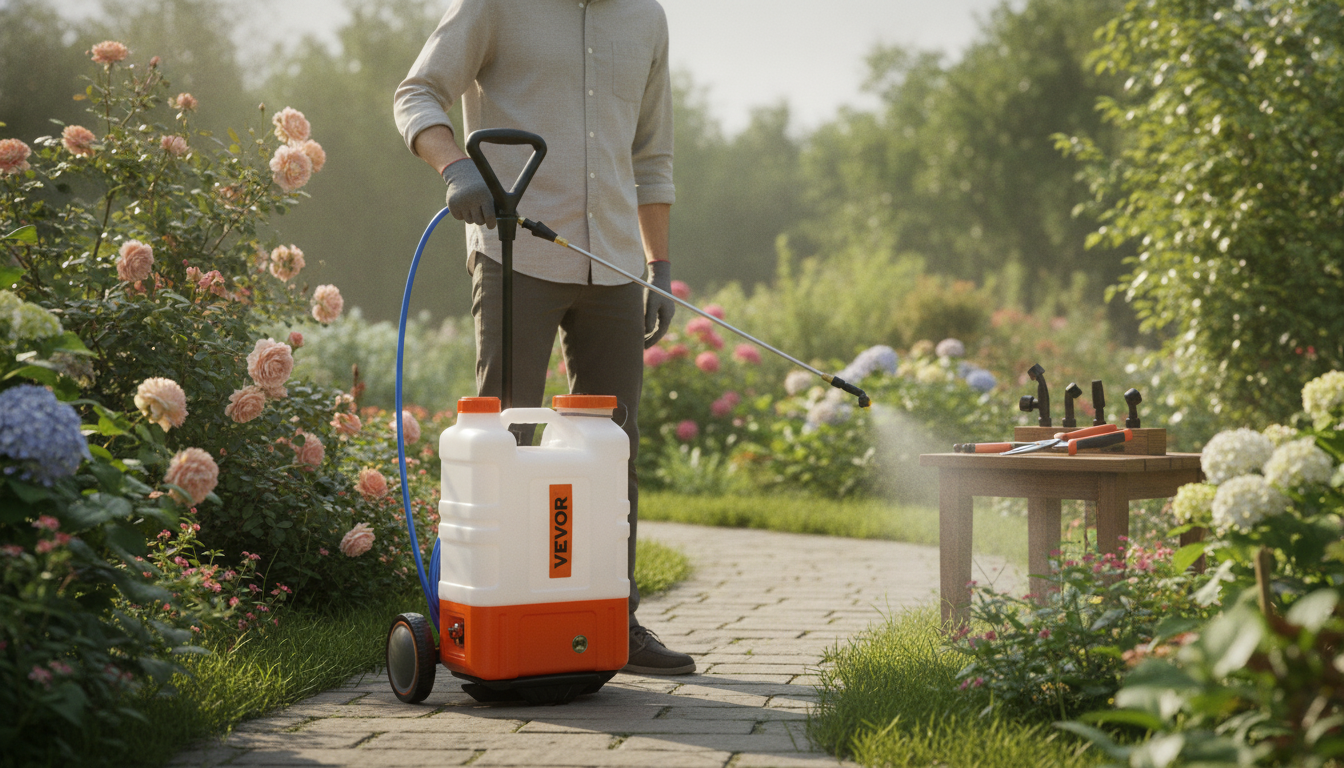
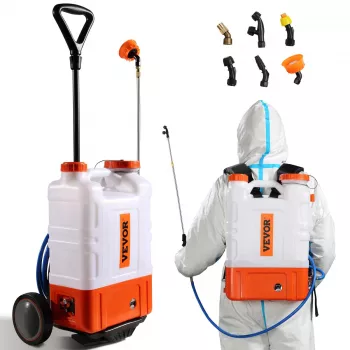
Battery-Powered Backpack Sprayer with Cart (4 Gal): Adjustable Pressure and Multi-Nozzle Control
A battery-powered backpack sprayer with a rolling cart blends two practical advantages: the reach and control of a backpack sprayer, plus the stability and reduced strain of a wheeled platform. With a 4-gallon tank, adjustable pressure, and multiple nozzle choices, this type of setup is designed for repeatable coverage across lawns, garden beds, fence lines, and targeted spot treatments—without the start-and-stop rhythm of constant hand pumping.
What This Sprayer Setup Is Best For
A 4-gallon battery sprayer with a cart is a strong match for routine property maintenance where consistent output and comfort matter as much as coverage. The battery helps keep pressure steadier across longer passes, while the cart reduces how often you need to carry the full load.
- Lawn and garden applications where even coverage matters (fertilizers, herbicides, insecticides—when labeled for sprayers).
- Perimeter and fence-line work that benefits from steady pressure and a long, controlled spray path.
- Beds, shrubs, and small orchard tasks where switching nozzles helps match droplet size to target surfaces.
- Users who want fewer interruptions than manual pump sprayers and less carry fatigue by using the cart.
- Jobs that need variable output (gentle mist for foliage vs. stronger stream for spot treatment).
Common Tasks and Helpful Nozzle/Pressure Choices
| Task | Goal | Nozzle style to consider | Pressure approach |
|---|---|---|---|
| Foliage coverage (ornamentals/vegetables) | Coat leaf surfaces without runoff | Fine mist / fan | Lower to medium pressure for controlled droplets |
| Weed spot treatment | Hit target plants precisely | Adjustable cone / stream | Medium pressure; tighten pattern for precision |
| Fence lines and edges | Consistent band of coverage | Flat fan | Medium pressure for uniform swath |
| Shrubs and dense plants | Reach into canopy | Cone spray | Medium to higher pressure as needed to penetrate |
| Crack/crevice around hardscape | Direct spray into seams | Stream | Lower pressure to reduce bounce/splash |
Key Features That Matter Day to Day
Specs only matter if they make the sprayer easier to use across real jobs: mixing, walking routes, changing patterns, and cleaning up when you’re done.
- 4-gallon capacity: balances fewer refills with a manageable overall system weight when used with the cart.
- Battery-powered output: maintains more consistent spray pressure than manual pumping, especially during longer sessions.
- Adjustable pressure control: helps match droplet size and flow to different chemicals, surfaces, and wind conditions.
- Multi-nozzle flexibility: switching patterns is faster than trying to “make one nozzle work” for every task.
- Cart + backpack format: roll most of the time, wear it only when terrain or access requires carrying.
- Tank access and measuring: a wide opening and visible volume markings (when present) simplify mixing and cleaning.
How to Use It Safely and Effectively
Good spraying is a mix of correct chemical use and consistent technique. Before any application, confirm the label allows application with a sprayer and follow all restrictions for the site and target pest or plant issue. Helpful references include the U.S. EPA guidance on reading pesticide labels, CDC/NIOSH pesticide safety resources, and OSHA information on personal protective equipment.
- Read and follow the chemical label exactly (mix rate, protective equipment, application limits, re-entry timing).
- Mix on a stable surface; add water first when the label allows, then concentrate, then top off to reduce foaming and splash.
- Choose the nozzle before starting; test the pattern with clean water to verify coverage and drift behavior.
- Use the lowest pressure that achieves coverage to reduce drift; avoid spraying in gusty wind.
- Keep the wand moving for even application; overlap passes slightly for consistent coverage.
- Rinse and flush after use (tank, hose, wand, and nozzles) to reduce clogging and chemical cross-contamination.
- Store chemicals separately; store the sprayer clean, dry, and out of direct sunlight when possible.
Comfort, Handling, and Terrain Tips
The cart is more than a convenience—used well, it becomes the default workflow and saves your shoulders for the moments you actually need a backpack format.
- Cart-first workflow: use the cart on flat ground to reduce shoulder and back fatigue; switch to backpack mode for steps, narrow gates, or uneven areas.
- Balance and stability: avoid overfilling if the terrain is steep; a slightly lower fill level can improve control on slopes.
- Hose management: keep the hose routed to prevent kinks and snags; pause and reposition the cart instead of tugging on the wand.
- Pacing: long sessions are easier with consistent pressure—take short breaks to reduce repetitive strain and stay aware of drift.
- Cleanup planning: finish near a water source if label guidance permits safe rinsing and disposal practices.
Maintenance and Troubleshooting Basics
A battery sprayer stays reliable when flow paths stay clean: tank, intake screen (if present), hose, wand, and nozzle. Most “it’s not spraying right” problems trace back to clogs, air leaks, or worn seals.
Quick Spec Checklist Before Buying
Product Options In Stock
- Battery-Powered Backpack Sprayer with Cart – 4 Gal, Adjustable Pressure, Multi-Nozzle
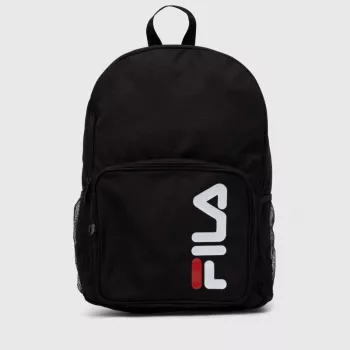
- Lightweight 3L Cycling Backpack for Running, Hiking & Outdoor Sports
At-a-Glance
| Item | Capacity | Controls | Nozzle options | Link |
|---|---|---|---|---|
| Battery-Powered Backpack Sprayer with Cart | 4 gal | Adjustable pressure | Multi-nozzle | View product |
FAQ
Can the same sprayer be used for herbicides and fertilizers?
Yes if the product labels allow sprayer application, but cross-contamination is a real risk. When possible, dedicate a separate sprayer for herbicides; otherwise, do a thorough triple-rinse/flush and clean the nozzle, filters, hose, and wand before switching products.
What pressure should be used to reduce drift?
Use the lowest pressure that still achieves the coverage you need with the chosen nozzle. Pair that with calm conditions and a droplet size appropriate for the label guidance, and avoid spraying during wind or gusts.
How often should the sprayer be cleaned?
Clean it after every use by flushing the tank, lines, and nozzle with clean water. For certain chemicals, follow any label-specific cleaning steps, then let components dry before storage.













Leave a comment