15-Bar Semi-Auto Espresso + Steam Wand: Home Café
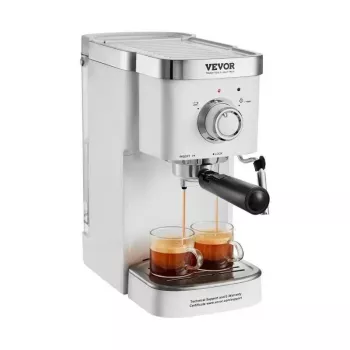
15-Bar Semi-Automatic Espresso at Home: Real Shots, Real Milk Texture
A bar semi-automatic espresso machine with a milk frother and steam wand is for the mornings (and late nights) when drip coffee just doesn’t cut it. With 15-bar pressure on tap and manual control over your shot timing and milk texture, you get a café-style routine that feels hands-on without becoming a full-time hobby. Our team likes this style of setup because it rewards small improvements—better grinding, cleaner tamping, smarter steaming—with noticeably richer cups.
What this machine is built to do
- Pull espresso-style shots with 15-bar pressure for a concentrated cup with crema potential.
- Steam and froth milk using the integrated steam wand, supporting cappuccinos and lattes.
- Keep the process semi-automatic: you control the timing and milk texture while the machine handles pressure and heat.
- Fit into everyday kitchens as a compact counter coffee station rather than a café-scale setup.
A simple espresso routine that stays consistent
Consistency is what turns “I can make espresso” into “I can make espresso anytime.” If you keep a steady sequence, your results stabilize quickly—and dialing in becomes much less frustrating.
- Warm-up: Let the machine fully heat so the water temperature and steam power are steady from the first drink to the last.
- Prep: Dose and tamp evenly. An even coffee bed helps reduce channeling, which can taste sour or thin.
- Brew: Start the shot and stop it based on the cup volume and taste you want. If it runs too long, it often drifts bitter; too short can skew sharp.
- Steam: Purge the wand briefly, texture the milk until glossy, then wipe and purge again. This keeps the wand performing well and keeps old milk from baking onto the tip.
Milk frothing and steam wand basics (without the guesswork)
Good milk texture isn’t about making huge foam—it’s about building microfoam (tiny bubbles) that pours smoothly and tastes sweet. A few practical cues can help you get there faster.
- For cappuccinos: Add more air early. You’ll often hear a quick “paper tearing” sound for a moment, then move the tip slightly deeper to roll the milk until it looks velvety.
- For lattes: Keep air introduction minimal. Aim for a shiny surface and a whirlpool that folds foam into the milk instead of piling it on top.
- Use cold milk and a chilled pitcher: Cooler starting temp gives you more time to texture before you reach serving temperature.
- Stop before you overheat: A practical stop point is when the pitcher is hot enough that you can only hold it comfortably for a second or two. Scalding flattens sweetness and can make foam collapse faster.
Quick fit check: is a semi-automatic bar machine right for your kitchen?
This style of machine is ideal when you want better coffee and you actually enjoy the mini-ritual. If you want one-button everything, a semi-automatic workflow can feel like “too many steps.”
- Best for: espresso drinks (shots, americanos, cappuccinos, lattes) with hands-on control.
- Not ideal for: fully push-button convenience or large-batch coffee brewing.
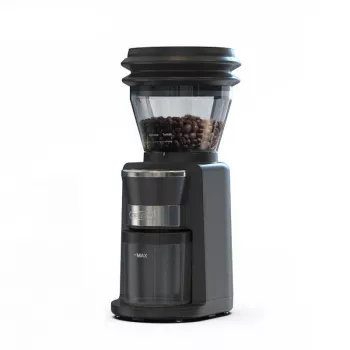
- A grinder matters: Consistent grounds are a major factor in flavor and crema—pairing with a burr grinder improves results.
- Counter routine: Expect a few minutes for warm-up, prep, brewing, and a quick wipe-down.
At-a-glance expectations for daily use
| Goal | What to focus on | What changes the result most |
|---|---|---|
| Richer espresso flavor | Even tamp + correct grind | Grind size and freshness |
| Thicker crema | Dialed-in extraction time | Dose and distribution |
| Silky latte texture | Short aeration then rolling whirlpool | Milk temperature and wand positioning |
| Less mess | Wipe/purge wand + rinse parts after use | Cleaning immediately after steaming |
Cleaning and care that keeps flavor fresh
Espresso tastes best when yesterday’s oils and milk residue aren’t hanging around. A short cleaning rhythm also helps your steam wand stay responsive.
- After every milk drink: Wipe the steam wand and purge briefly to prevent buildup inside the tip.
- Rinse removable parts promptly: Coffee oils cling and can turn flavors bitter over time.
- Descale on a schedule: Scale reduces heating efficiency and can impact brewing temperature.
- Use filtered water when possible: It reduces mineral buildup and keeps taste cleaner.
If you want deeper brew and water guidance, the National Coffee Association and the Specialty Coffee Association both publish helpful education resources and standards.
Small upgrades that make every cup easier
Our product picks (in stock now)
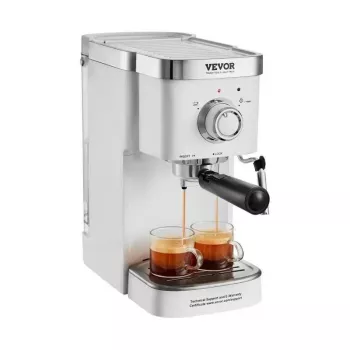
- 15-Bar Semi-Automatic Espresso Machine with Milk Frother and Steam Wand — the core setup for espresso-style shots plus silky milk texture at home.
- Beige Travertine U-Shape Sculpture – Modern Stone Decor for Home Interiors — a clean, modern accent that looks right at home on a coffee bar or open shelf.
- Lightweight 3L Cycling Backpack for Running, Hiking & Outdoor Sports — a simple grab-and-go option for mornings when your espresso needs to travel with you.
FAQ
What drinks can be made with a semi-automatic espresso machine with a steam wand?
You can make espresso shots, americanos, cappuccinos, lattes, and steamed milk. Milk texture will vary based on your steaming technique and the milk you use.
How do you get better foam from the milk frother and steam wand?
Start with cold milk, place the wand tip near the surface briefly to add air, then submerge slightly to create a rolling whirlpool that refines the bubbles. Stop before overheating, and always wipe and purge the wand to keep steaming performance consistent.
How often should an espresso machine be descaled?
It depends on your water hardness and how often you use the machine; harder water usually needs more frequent descaling. Following the manufacturer’s guidance and using filtered water can reduce scale buildup and help keep temperatures stable.












Leave a comment