1 MHz Ultrasound Therapy: Deeper Muscle Comfort at Home
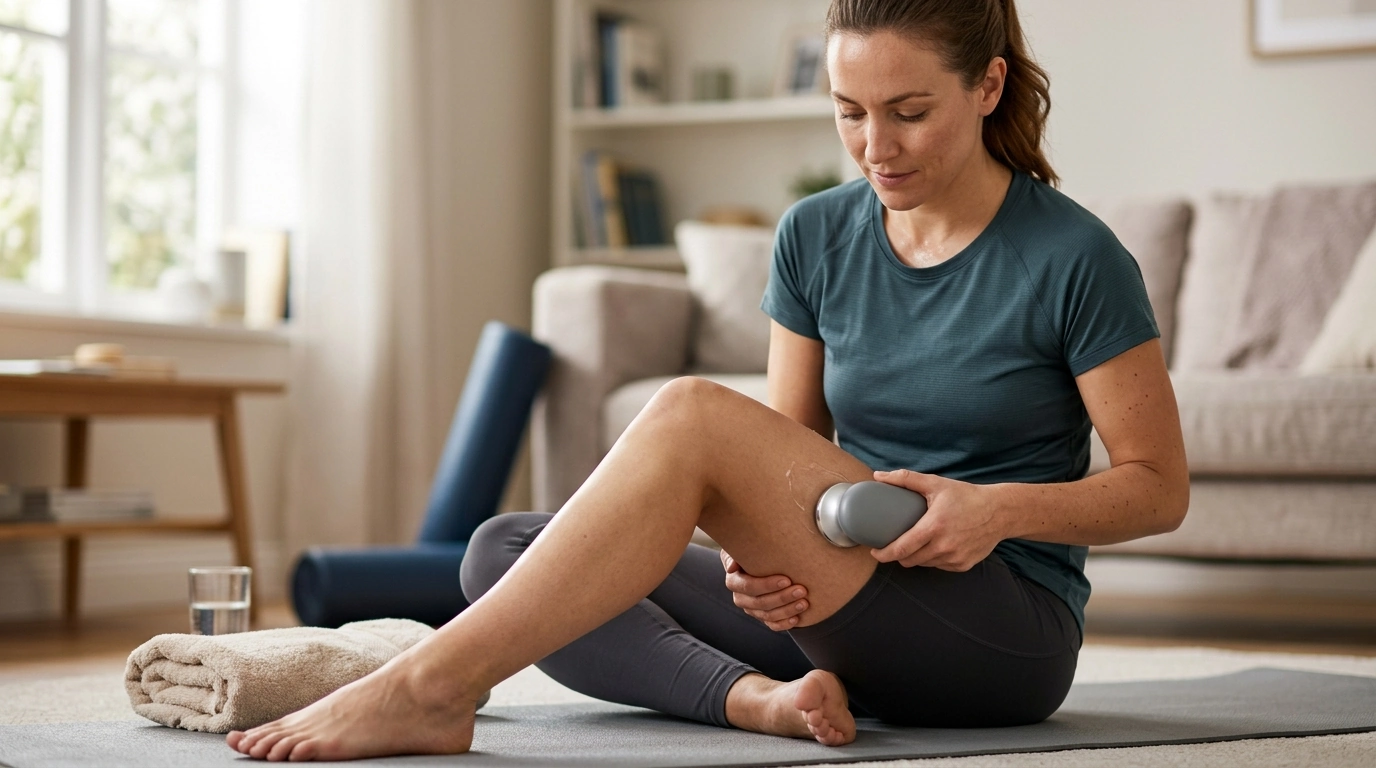
Ultrasound Therapy for At-Home Comfort: What a 1 MHz Device Is Designed to Do
Therapeutic ultrasound is widely used in rehabilitation environments to support soft-tissue comfort, gentle warming, and a relaxation-focused, massage-like feel. At home, the goal is typically simple: help tight, overworked areas feel looser and more comfortable so it’s easier to move, stretch, and recover. A 1 MHz ultrasound therapy device is commonly associated with deeper tissue application, which can make it a practical option for larger muscle groups and stubborn zones of tension.
Because results depend on technique, settings, and consistency, this guide breaks down what 1 MHz means, where it’s commonly used, how to structure sessions for comfort, and what to avoid for safer at-home care.
What Therapeutic Ultrasound Does
Therapeutic ultrasound uses sound waves to deliver energy into tissues. Depending on the mode and intensity, it may create gentle warming and a soothing, “deep massage” sensation when used correctly with a coupling gel and steady movement. In many routines, it’s used to support:
- Muscle tightness and stiffness after activity
- Minor overuse discomfort (comfort support, not a diagnosis or cure)
- Soft-tissue recovery habits as part of a broader plan (mobility work, rest, hydration)
Outcomes can vary significantly based on the area treated, the amount of gel used, treatment time, and whether the sound head stays in continuous contact and motion. For background on ultrasound as a technology, see MedlinePlus.
Understanding 1 MHz Frequency
Frequency describes how many cycles per second the ultrasound wave produces. A 1 MHz device is generally associated with deeper penetration than higher-frequency options (often used for more superficial targets). That’s why 1 MHz is commonly chosen for bigger muscle groups where depth matters more than surface-level warmth.
Typical areas where a 1 MHz profile is often considered include the glutes, hamstrings, quads, calves, and parts of the back where there’s substantial muscle tissue. Technique still drives the experience: slow movement, adequate gel, and consistent contact help reduce the chance of uneven energy delivery.
If you want to explore how therapeutic ultrasound is discussed across musculoskeletal research, a useful starting point is the PubMed search collection for therapeutic ultrasound and musculoskeletal conditions.
When This Type of Device May Help
A 1 MHz ultrasound unit is often used for comfort-oriented routines that focus on muscle relaxation and post-activity recovery. Common use cases include:
- Post-workout tightness: Can support relaxation for overworked muscles and pair well with hydration and light stretching.
- Localized knots and stiffness: Useful as one step in a routine that also includes mobility drills and gentle self-massage.
- Chronic tension patterns: May help recurring tight spots when paired with better ergonomics, strength balance, and movement breaks.
- Comfort-focused recovery: Some people prefer it before easy movement (to create a warm-up feel) or after activity to unwind.
For many people, the most noticeable benefit is not “fixing” a single point, but helping a whole region feel calmer and easier to move. Treat broad areas thoughtfully rather than chasing tiny pain points.
How to Use an At-Home Ultrasound Device Safely
At-home ultrasound is highly technique-dependent. These habits help keep sessions comfortable and conservative:
- Patch-check the area first: Skin should be clean and intact. Avoid irritated skin or open wounds unless a clinician and the device instructions explicitly allow it.
- Use coupling gel: A generous gel layer helps transmit energy and reduces drag. Avoid using the sound head on dry skin.
- Keep the head moving: Use slow circles or steady strokes. Don’t hold the sound head still in one spot.
- Start conservative: Begin with lower intensity and shorter sessions. Increase gradually only if it stays comfortable and aligns with device guidance.
- Stop if discomfort occurs: Sharp pain, burning, or unusual sensitivity are signals to stop and reassess gel amount, movement speed, and intensity.
Suggested Session Structure (Comfort-Oriented Routine)
A simple structure can make sessions more consistent and easier to repeat throughout the week:
Quick Reference: 1 MHz Use and Technique
| Goal | Typical Area | Technique Notes | Common Mistakes to Avoid |
|---|---|---|---|
| Muscle relaxation | Quads / hamstrings / calves | Slow circles, consistent gel layer, steady contact | Moving too fast; not enough gel |
| Comfort for deep tightness | Glutes / hip area | Work a broad zone; keep head moving continuously | Holding the head still; focusing too narrowly |
| Back muscle tension | Mid-back (avoid spine/bony points) | Stay on muscle tissue; moderate pressure only | Treating directly over bones/spine |
| Post-activity recovery | Larger muscle groups | Shorter sessions; follow with gentle mobility | Over-treating the same area repeatedly |
Safety Notes and When to Avoid Use
Product Picks for a Simple Recovery Setup
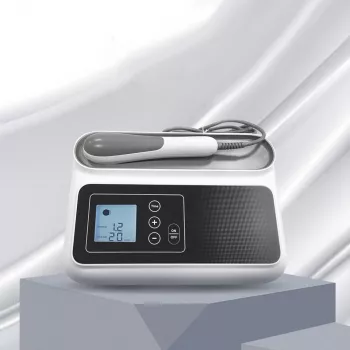
- Ultrasound Therapy Device for Pain Relief and Muscle Massage, 1MHZ Frequency — Designed for pain relief support and muscle massage with a 1 MHz profile intended for deeper-area application routines. For best comfort, use proper gel, keep continuous movement, and start with conservative settings.
- Lightweight 3L Cycling Backpack for Running, Hiking & Outdoor Sports — A compact way to carry hydration and basics for mobility work before and after training, which can complement a recovery routine focused on consistency.
FAQ
What does 1 MHz mean on an ultrasound therapy device?
It refers to the ultrasound frequency (one million cycles per second). A 1 MHz setting is generally associated with deeper tissue targets than higher frequencies, though comfort and effect still depend on intensity, gel coupling, and steady movement.
How long should a session be for muscle tightness?
A conservative range is often about 5–10 minutes per area, treating a broad region rather than a tiny point. Follow your device instructions, keep the sound head moving, and adjust based on comfort and any clinician guidance.
Do I need ultrasound gel, or can I use lotion?
Ultrasound coupling gel is recommended because it transmits ultrasound energy more consistently. Lotion may not couple reliably, so using the manufacturer-recommended gel is a safer, more predictable choice.














Leave a comment