1/2″ Drive 6-Point Impact Socket Set: Cr-V, Easy-Read
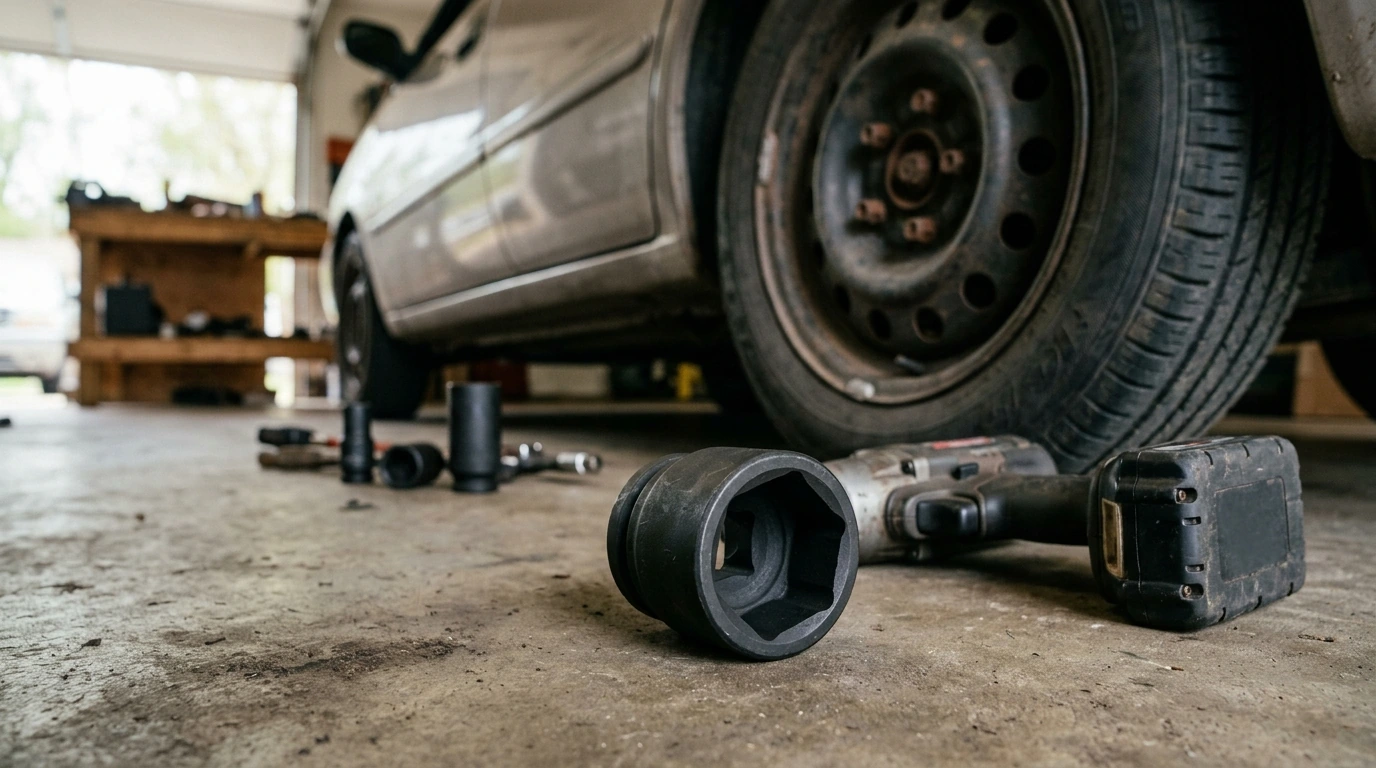
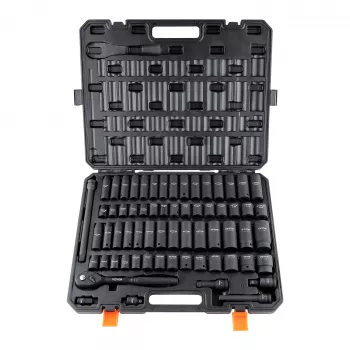
1/2″ Drive Impact Socket Set (6-Point Cr‑V Steel): Heavy‑Duty Grip with Easy‑Read Markings
When bolts are seized, lug nuts are stubborn, or a fastener needs real torque, the socket matters as much as the impact wrench. Our 1/2″ drive impact socket set is built around the essentials: a 6‑point profile for a more secure bite, tough Cr‑V steel construction, and clear, easy‑read markings so the right size is always the first one you grab. It’s a practical set for home garages, roadside kits, and busy workbenches that need dependable sockets that can take repeated impact cycles.
What makes an impact socket set different (and why it matters)
Impact sockets are designed for a different kind of stress than hand sockets. An impact wrench delivers rapid hammering blows, and those repeated shock loads can be rough on tools that weren’t built for them.
- Built for impact tools: Impact sockets are intended to handle repeated hammering forces from impact wrenches and impact drivers, which can be harsh on standard hand sockets.
- 1/2″ drive compatibility: This drive size is common for automotive and equipment jobs where higher torque shows up—lug nuts, suspension hardware, larger bolts, and heavier assemblies.
- Heavy‑duty focus: When the job involves stuck fasteners, impact‑rated sockets help reduce the chance of cracking and premature wear compared with general‑purpose options.
If you want a deeper look at what impact accessories are expected to handle, ASME maintains guidance for impact socket accessories at ASME B107.110.
6‑point sockets: secure contact for high‑torque fasteners
When torque climbs, the contact pattern between socket and fastener becomes the whole story. A 6‑point profile is a go-to for heavier work because it engages the flats of hex fasteners more directly.
- More surface contact: A 6‑point design engages the flats of a hex fastener more directly—helpful when a bolt head is tight, corroded, or already slightly rounded.
- Better for impact torque: High torque loads can stress the corners of fasteners; a 6‑point profile is a common choice for work where slipping is costly.
- Confidence on lug nuts: For wheel work, the stronger engagement feel can make repeated removal and installation smoother and more consistent.
| Job scenario | Why 6‑point helps | Extra tip for best results |
|---|---|---|
| Rusty or seized fasteners | Reduces the chance of rounding corners under impact force | Pre-soak with penetrating oil and let it work before hammering |
| Lug nuts and wheel work | Stable bite helps maintain control at higher torque | Finish with a torque wrench for final tightening |
| Suspension and chassis hardware | Improved grip when torque spikes during breakaway | Use a steady, straight-on approach to avoid side-loading |
| General garage maintenance | Reliable contact on common hex heads | Choose the shortest socket that fits for maximum strength |
Cr‑V steel construction: toughness for repeated impact cycles
Material choice matters most when you do the same kind of hard work again and again. Cr‑V steel is widely used in durable toolmaking for its balance of strength and wear resistance.
- Built for demanding work: Heavy-duty tasks often mean repeated removals, high torque, and occasional binding—materials and heat treatment matter over time.
- A solid base for a shop set: For frequent use, durable sockets help keep sizes consistent, minimize deforming the drive end, and maintain fit on fasteners.
From a practical standpoint, this helps you keep the “feel” of your sockets consistent—when a size fits cleanly today, it should still fit cleanly after many impact cycles.
Easy‑read markings: faster size selection, fewer mistakes
When you’re moving quickly—on the side of the road, under a vehicle, or in a crowded toolbox—legible markings save time and prevent the most common slip-ups.
- Clear identification: Easy‑read markings reduce time spent hunting for the right socket—especially helpful in low light or fast-paced work.
- Less rework: Grabbing the correct size quickly helps you avoid rounding a fastener with a near-fit socket.
- Better organization: Marked sizes make it easier to return sockets to the right place and spot missing pieces at a glance.
Where this 1/2″ drive impact socket set earns its keep
Our team sees a 1/2″ impact set as the “do-the-work” middle ground: strong enough for most automotive jobs, still manageable for everyday maintenance.
Practical setup tips for safer, cleaner results
For general jobsite and garage safety practices around hand and power tools, OSHA’s overview is a helpful reference: OSHA Hand and Power Tools.
Recommended picks from our store
- 1/2″ Drive Impact Socket Set – 6-Point Cr‑V Steel, Easy‑Read Markings, Heavy‑Duty
- Lightweight 3L Cycling Backpack for Running, Hiking & Outdoor Sports (a compact option if you like keeping a small roadside or “grab-and-go” kit together)
Care and storage habits that extend socket life
FAQ
Can this 1/2″ drive impact socket set be used with a regular ratchet?
Yes. As long as your ratchet is 1/2″ drive and you select the correct socket size for the fastener, impact sockets can be used with hand tools for everyday turning.
Why choose 6‑point sockets instead of 12‑point for heavy-duty work?
A 6‑point socket typically grips the flats of the fastener more securely under high torque, which helps reduce the chance of rounding corners when fasteners are tight or corroded.
How do easy‑read markings help in real garage work?
They speed up size selection, help you avoid near-fit mistakes that can damage fasteners, and make it easier to organize your set and spot missing sockets quickly.














Leave a comment