Hugo Boss Wallets: Real Leather or Faux? How to Tell
Are Hugo Boss wallets real leather?
Hugo Boss wallets can be real leather, but not all of them are. Across the brand’s lineup you’ll find a mix of materials, including genuine leather (often cowhide), coated leather, and synthetic options marketed as faux leather or “leather-look” materials. For you, the practical takeaway is simple: the Hugo Boss name alone doesn’t guarantee real leather—material details do.
How to tell what your Hugo Boss wallet is made of
If you’re shopping for real leather, start with the material callout on the product page or hangtag. Terms like “100% leather,” “cow leather,” “genuine leather,” or “bovine leather” indicate real leather, while “polyurethane (PU),” “PVC,” “synthetic,” and “faux leather” indicate man-made materials. If the wallet has a lining, check that too—many wallets combine a leather exterior with a textile or synthetic interior.
Quick checkpoints before you buy
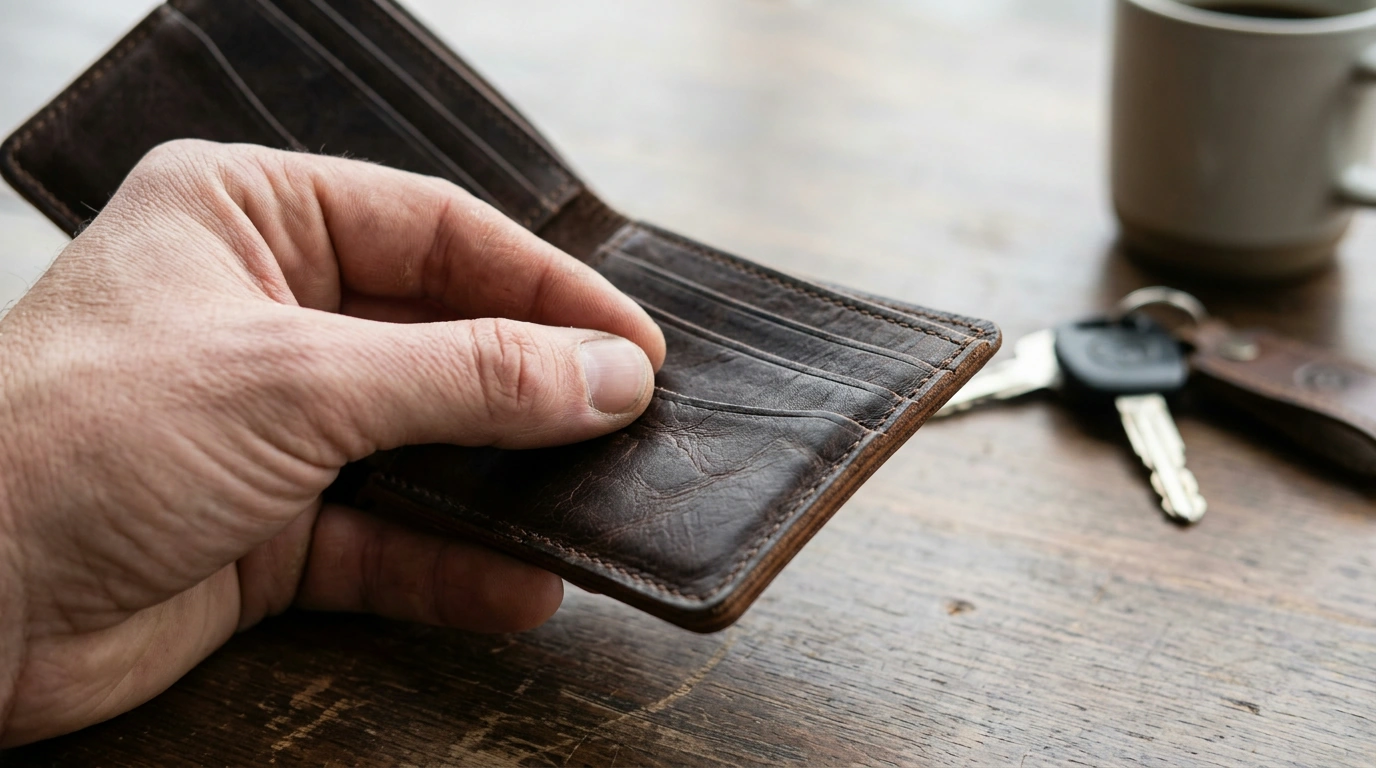
Look for an embossed interior stamp that specifies “leather” and a material label that lists leather as the primary component. Real leather usually shows subtle grain variation and soft creasing at stress points, while faux leather tends to look more uniform and can crease in sharper lines. For day-to-day use, consider your priorities: real leather often develops a patina over time, while faux leather can be easier to wipe clean but may peel or crack sooner depending on finish and wear.
Choosing the right material for your routine
If you want a wallet that ages well and softens with use, choose a real leather build and avoid heavy over-coatings. If your wallet is exposed to frequent spills, gym bags, or commuting in bad weather, a coated or faux-leather finish can be a low-maintenance option—just keep it away from heat and overstuffing to reduce cracking.
For a helpful reference on a Hugo Boss faux-leather option and what to expect from that style, visit our guide here: https://uniqualle.com/guide-boss-mens-black-faux-leather-wallet-slim-organized-carry/.
FAQ
What’s the best way to clean a coated or faux-leather wallet?
Wipe it with a soft, slightly damp cloth and a small amount of mild soap if needed, then dry immediately. Avoid alcohol wipes, harsh cleaners, and direct heat, which can dull the finish or cause cracking.















Leave a comment