3686Wh Portable Solar Power Station: IP65 Guide
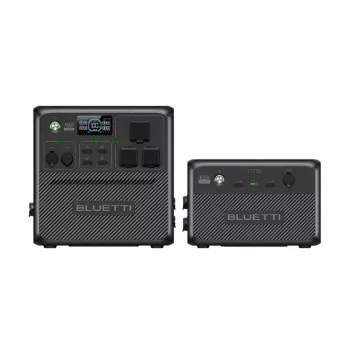
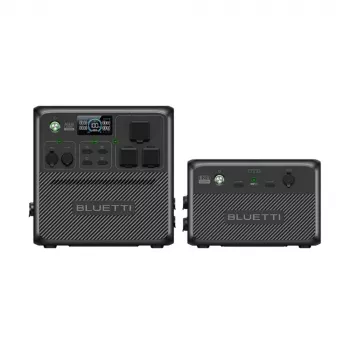
Whether you’re planning time outdoors or preparing for a power outage, a portable power station can give you another way to keep essential devices charged. Our 3686Wh IP65 portable solar power station offers substantial listed battery capacity and water resistance for flexible plans.
Capacity is only one part of the decision, though. A battery’s watt-hour rating describes stored energy; it does not tell you whether the station can power a particular appliance. We recommend matching your devices’ power requirements and connections to the station’s specifications before you buy.
A Portable Power Station for Flexible Plans
The power station’s listed 3686Wh capacity makes it an option to consider for outdoor trips or home backup planning. Its IP65 rating also provides a useful reference for understanding its protection against dust and water. Neither feature guarantees a particular runtime or compatibility with every device, so start with the equipment you expect to use.
For an outdoor trip, that might mean making a list of charging needs and considering how often you’ll have access to another power source. At home, you might prioritize a few devices you would want available during an outage. In either case, leave room in your plan for changing conditions rather than assuming every watt-hour will be available to your devices.
At-a-Glance Product Details
| Feature | Listed detail |
|---|---|
| Battery capacity | 3686Wh |
| Water resistance | IP65 |
| Listed price | $5,331.95 USD |
| Availability | In stock |
Price and availability can change. Visit the product page for current purchase details before placing your order.
Understanding 3686Wh of Capacity
Watt-hours describe an amount of energy, while watts describe the rate at which a device uses power. For example, a device drawing 100 watts would use approximately 100 watt-hours over one hour if its draw stayed constant. The U.S. Energy Information Administration’s guide to measuring electricity provides more background on these units.
To estimate your needs, multiply each device’s power draw in watts by the number of hours you expect to use it. Add the results for all the devices in your plan. A 100W device used for two hours, for example, would need approximately 200Wh; a second 50W device used for three hours would add approximately 150Wh.
That estimate is a starting point, not a runtime promise. Power conversion losses, operating conditions, and changing device demands affect the energy you can actually use. Leave a reserve for unexpected needs, especially when you may not be able to recharge promptly. Also remember that having enough stored energy does not necessarily mean the station has enough output power to run a device.
What IP65 Water Resistance Means
IP65 indicates protection against dust ingress and water jets under standardized test conditions. It does not mean the power station is protected against immersion. The International Electrotechnical Commission’s IP ratings guide explains how these protection codes are structured.
Keep the unit out of standing water, and follow the manufacturer’s instructions for use, charging, and storage. Water resistance should not replace careful placement: choose a suitable location and protect charging equipment and connections as directed.
Plan Your Charging and Device Setup
Before purchase or use, compare the power station’s output ratings and connections with the requirements of each device. Look at the power a device draws and whether it needs a compatible outlet or connector. For devices you plan to run at the same time, consider their combined demand as well as each individual requirement.
If you plan to recharge with solar power, confirm the station’s solar input specifications and which panels are compatible. Check whether panels are included before ordering; do not assume the power station comes with a complete solar setup. Your charging opportunities and expected energy use should both factor into how much reserve you keep.
For an outdoor packing list, our lightweight 3L cycling backpack is another in-stock option for running, hiking, and outdoor sports. Consider it separately from your power setup and choose gear suited to the length and conditions of your trip.
Prepare for Storage and Everyday Use
Follow the manufacturer’s directions for charging, ventilation, storage temperatures, and maintenance. Before using the station, inspect charging equipment and connections, and keep them protected as instructed. For a backup plan, decide where you will store the unit and how you will keep it ready between uses.
Our team encourages you to review the product details alongside your device requirements. View the power station’s product page when you’re ready to compare its specifications and current purchase information.
FAQ
How long will a 3686Wh power station run a device?
Estimate runtime by dividing the usable watt-hours by the device’s wattage. Allow for conversion losses, operating conditions, and changes in the device’s power demand.
Can an IP65 power station be submerged in water?
No. IP65 covers dust ingress and water jets under standardized test conditions, not immersion; follow the manufacturer’s handling instructions.
Are solar panels included with this power station?
Check the product listing for package contents before ordering. Also confirm that any panels you plan to use match the station’s solar input specifications.













Leave a comment