12V Ride-On Truck Guide: Remote, LEDs, Suspension
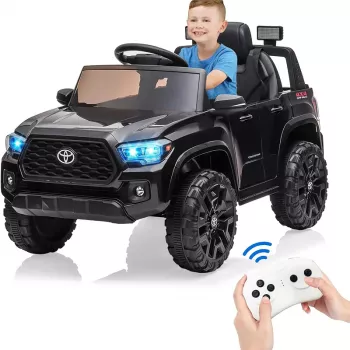
12V Kids Ride-On Truck with Remote Control, LED Lights, Suspension & 3 Speeds: What to Know Before Buying
A 12V ride-on truck can turn backyard play into an outdoor adventure—while still keeping safety and control front-and-center for parents. This guide breaks down how remote driving, LED lighting, suspension, and multi-speed settings affect real-world use, what to check before the first ride, and how to match features to a child’s age and driving confidence.
Quick Snapshot: Who This Ride-On Truck Fits Best
- Best for families who want both child driving and parent-controlled steering via a remote
- Helpful for evening play or shaded areas thanks to visible LED lighting
- Smoother rides on patios, driveways, and short grass with suspension support
- Three speed settings make it easier to start slow and increase pace as skills improve
- A practical gift option when one toy needs to work for different comfort levels (new drivers vs. more confident kids)
Remote Control: How Parent Driving Changes Safety and Confidence
The remote is more than a convenience feature—it’s the difference between “hands-off supervision” and active control. Remote mode is especially useful during the first few rides, in busy yards, or near sidewalks and driveways where a child may get distracted or over-steer.
- Prioritize smooth steering response and predictable acceleration so the truck feels stable rather than jerky.
- Use remote mode as a teaching tool: practice stopping, gentle turns, and staying within a simple boundary (like “inside the driveway lines”).
- Switching between child-driving and remote-driving can reduce conflicts when siblings have different skill levels.
- Practical tip: practice steering and stopping with the remote before a child gets in, then repeat with the child seated so you understand how the added weight changes response.
For broader toy safety guidance—especially around supervision and safe play zones—review recommendations from the U.S. Consumer Product Safety Commission (CPSC).
3 Speed Settings: Matching Pace to Age, Space, and Skill
Three speed options aren’t just about going faster. They let you match the truck’s behavior to the play area and the child’s coordination. Low speed can feel “calm” and controllable, while high speed is better reserved for open, flat spaces with clear boundaries and close adult attention.
- Low speed: ideal for first-time drivers and tighter spaces (patios, short paths, smaller yards).
- Medium speed: a solid default once a child can start/stop reliably and steer without over-correcting.
- High speed: best for open areas with predictable routes and active supervision.
- Slower settings can reduce startle reactions and improve control during turns.
- Simple rule set: start every session on low, move up only after several minutes of consistent safe driving.
| Play area | Suggested speed setting | Why it helps |
|---|---|---|
| Small patio or narrow walkway | Low | Easier stopping and fewer sharp turns |
| Driveway (clear, supervised) | Low to Medium | More room, still needs controlled speed |
| Backyard lawn (short grass) | Medium | Helps maintain momentum on softer surfaces |
| Open, flat area with boundaries | Medium to High | More fun while keeping predictable paths |
Suspension: What It Improves (and What It Doesn’t)
Suspension can make a noticeable difference on the surfaces where ride-ons are used most: concrete seams, textured sidewalks, brick-pattern pavers, and small dips in the yard. Less jostling often means a child stays more confident and keeps both hands on the wheel instead of bracing.
- Suspension can reduce bumps and vibration on uneven pavement seams and small yard dips.
- A smoother ride can improve steering control because the wheels stay more consistently planted.
- Suspension does not turn a ride-on into a true off-road vehicle—avoid steep slopes, loose gravel, deep grass, and mud.
- Pair suspension with smart route planning: flatter loops, wide turns, and fewer obstacles.
- Comfort matters: reduced jolts can support longer play sessions without fatigue.
LED Lights: Visibility, Fun, and When They Matter
LED lights pull double duty: they’re fun for kids and practical for adults. In shaded driveways, under trees, or at dusk, the lights make the truck easier to track—especially when you’re supervising more than one child.
For additional outdoor play safety tips, see guidance from HealthyChildren.org (AAP).
Battery, Charging, and Realistic Playtime Expectations
Setup Checklist and First-Ride Safety Routine
When This Type of Truck Makes Sense as a Gift
In-Stock Picks to Compare
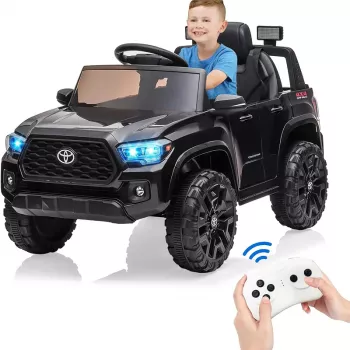
- 12V Kids Ride On Truck with Remote Control, LED Lights, Suspension & 3 Speeds — $169.51
- Lightweight 3L Cycling Backpack for Running, Hiking & Outdoor Sports — $38.67
- Beige Travertine U-Shape Sculpture – Modern Stone Decor for Home Interiors — $100.01
FAQ
At what age can a child use a 12V ride-on truck with a remote control?
It depends on the child’s size, coordination, and the level of supervision available. Remote-driving mode can help younger beginners get comfortable, but always follow the manufacturer’s age and weight limits and start on the lowest speed.
Can a 12V ride-on truck drive on grass if it has suspension?
Short, dry grass is usually manageable, while thick or wet grass can reduce traction and drain the battery faster. Suspension improves comfort over bumps but doesn’t guarantee off-road capability, so stick to flatter routes and slow down if the surface feels resistant.
How long does the battery last on a typical charge?
Runtime varies based on speed setting, terrain, rider weight, and how often the truck stops and starts. Charging after each session and avoiding repeated deep discharges can help maintain more consistent performance over time.














Leave a comment