0–32°F Hooded Duck Down Sleeping Bag for Cold Camping
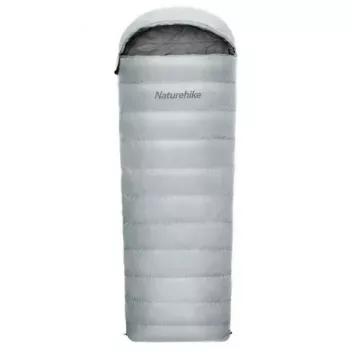
Warm Duck Down Camping Sleeping Bag with Hood (0°F to 32°F): Cold-Weather Comfort for Camps and Cabins
Cold nights call for insulation that traps heat efficiently without turning a pack into a burden. A hooded duck down sleeping bag built for roughly 0°F to 32°F conditions helps keep warmth close around the head, neck, and core while reducing drafts. The goal isn’t just “a warm bag”—it’s a dependable sleep system that accounts for ground insulation, moisture control, and how you actually move around at night. For more guidance, see Best Backpacking Sleeping Bag of 2026.
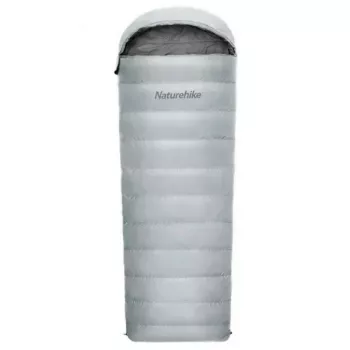
If you’re looking for a practical cold-weather option for weekend campouts, car camping, base camps, or cabin overnights, the Warm Duck Down Camping Sleeping Bag with Hood – 0°F to 32°F Cold-Weather Gear is designed to focus warmth where it matters most while keeping weight and bulk manageable for its temperature class. For further reading, see Sleeping bags for cold weather.
What This Sleeping Bag Is Built For
A 0°F to 32°F hooded down bag is best thought of as cold-weather insulation with a wide “use window.” Where it lands for comfort depends on your pad, shelter, clothing, and personal metabolism.
- Cold-weather coverage for shoulder season through winter: Great for late fall, early spring, and many winter nights when paired with the right sleeping pad.
- Hooded warmth where heat loss hits first: The hood helps retain warmth around the head and neck—areas that can feel exposed even when your core is fine.
- Duck down efficiency: Down’s warmth-to-weight is hard to beat when it’s kept dry and allowed to loft fully.
- Ideal trip types: Camping, car camping, cabins, and base camps—especially in low-humidity conditions where managing moisture is straightforward.
Temperature Range: Comfort vs. Reality in the Field
A 0°F to 32°F range covers a lot of ground. The low end is achievable for many campers, but it typically requires a higher R-value sleeping pad and smart site selection (shelter from wind, dry ground, and a tent with controlled ventilation).
Temperature ratings can also be interpreted differently by brands. If you want the technical background on standardized approaches, see ISO 23537: Requirements for sleeping bags (temperature ratings) and practical guidance from REI’s sleeping bag temperature ratings overview.
Quick planning guide for cold nights
| Forecast low | Recommended setup | Extra tips |
|---|---|---|
| 30–32°F | Sleeping bag + insulated pad | Vent slightly if overheating; keep hood loose if needed |
| 20–29°F | Sleeping bag + warmer pad (higher R-value) | Wear dry base layers; tighten hood and minimize drafts |
| 10–19°F | Sleeping bag + winter pad + optional liner | Hot water bottle in a sealed bottle can add comfort |
| 0–9°F | Sleeping bag + winter pad + liner + warm sleep layers | Pick sheltered sites; keep moisture out of the down |
Down Insulation: Warmth, Loft, and Moisture Management
Down insulates by lofting—creating pockets of trapped air. That means two things matter most: don’t crush the loft while sleeping, and keep it as dry as possible.
- Protect loft overnight: Avoid sleeping on top of your bag or bunching it beneath your hips and shoulders. Any compressed area loses insulation fast.
- Keep down dry in transit: Use a waterproof pack liner or dry bag so surprise rain or a wet tent floor can’t soak your insulation.
- Manage camp condensation: Condensation inside a tent can dampen a bag over multiple nights. Vent the tent strategically and avoid placing the bag against wet walls.
- Air out whenever possible: Even 10–20 minutes in sun or a light breeze helps restore loft and reduces moisture accumulation.
Hood and Draft Control: Getting the Most Warmth Per Ounce
Choosing the Right Sleeping Pad to Match a Cold-Weather Bag
Care, Storage, and Longevity Tips
Cold-Weather Add-Ons That Improve Sleep Quality
- Liner: Adds a bit of warmth and helps keep the inside cleaner on multi-night trips.
- Dry sleep socks and a beanie: Helps you avoid over-tightening the hood while staying warm at extremities.
- Simple pillow solution: Stuff spare clothing into a small pack (remove sharp objects). A compact daypack can work well for this—like the Lightweight 3L Cycling Backpack for Running, Hiking & Outdoor Sports.
- Warmth from within: Hydration and calories matter. A warm drink and a small snack before bed can improve perceived warmth and recovery.
For trip safety and decision-making in colder conditions, it also helps to follow a conservative planning mindset like Leave No Trace: Plan Ahead and Prepare, especially when weather shifts faster than expected.
Product Picks for a More Reliable Cold-Weather Setup
- Warm Duck Down Camping Sleeping Bag with Hood – 0°F to 32°F Cold-Weather Gear: Hooded down insulation designed for cold nights, with draft control that helps retain warmth around the head and neck.
- Lightweight 3L Cycling Backpack for Running, Hiking & Outdoor Sports: Handy for carrying small essentials around camp and can double as a pillow stuff sack with spare layers.
FAQ
Can a 0°F to 32°F sleeping bag be used safely below freezing?
Yes, but comfort depends heavily on your sleeping pad’s insulation (R-value), shelter, wind exposure, clothing, and personal cold sensitivity. When forecasts approach the low end, add buffer warmth with a warmer pad, liner, and properly sealed hood/draft controls.
How do you keep down sleeping bags warm if they get damp from condensation?
Focus on prevention with tent ventilation and dry storage, then air the bag out in sun or wind whenever possible. If it gets damp, avoid packing it wet for long and dry it completely after the trip to restore loft.
Should the hood be tightened all the way on very cold nights?
Tighten it enough to stop drafts while leaving a small breathing opening to reduce moisture buildup in the insulation. Try to direct your breath out through the opening rather than into the bag.














Leave a comment