Hand-Painted Ceramic & Glass Basin + Brass Drain Guide
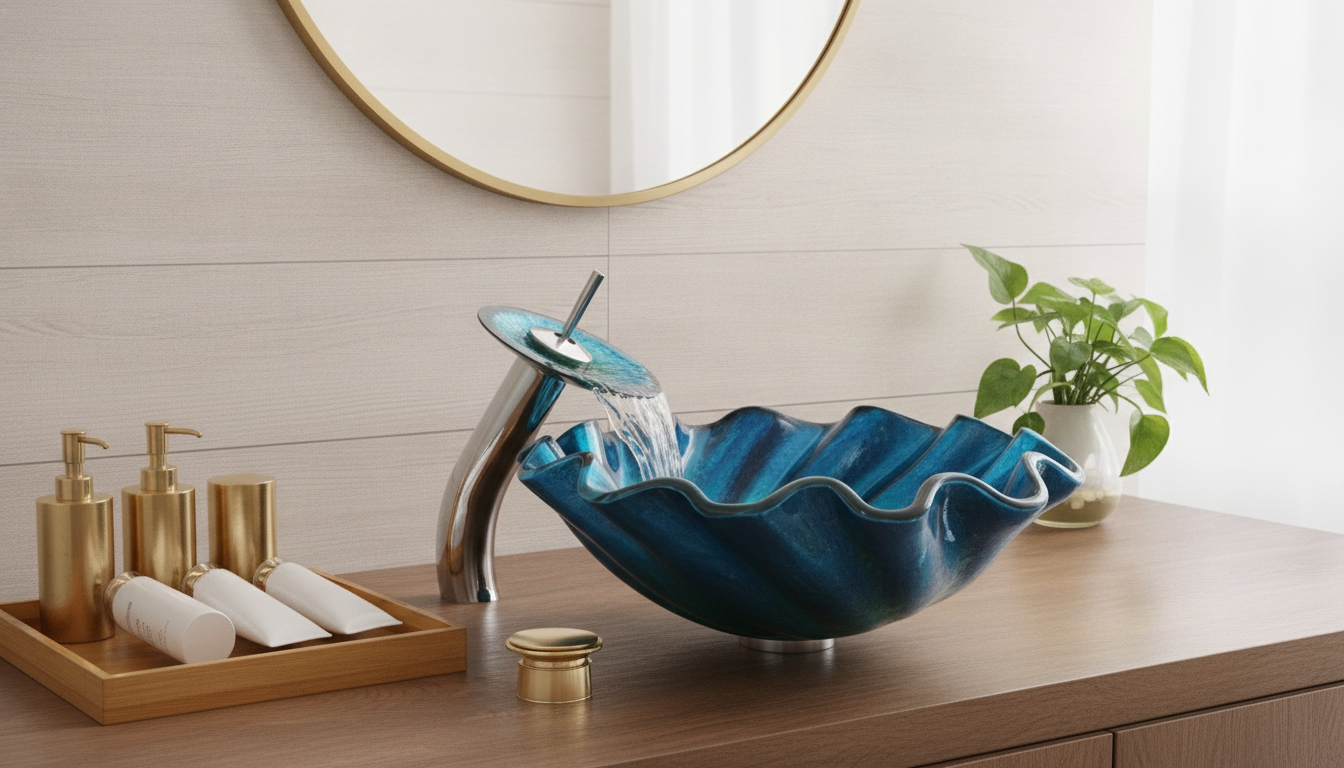
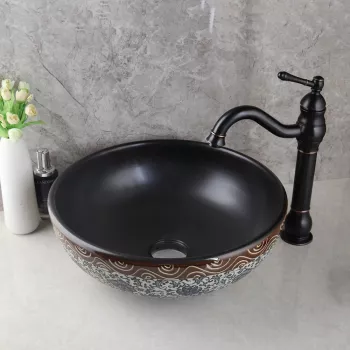
Ceramic Hand-Painted Glass Basin with Brass Set
A hand-painted basin can turn a daily routine into a design moment. This ceramic and glass sink paired with a brass set is built to stand out on a vanity while still handling real-world bathroom use—water, soap, and frequent cleaning—when installed and cared for properly. Because each basin is finished by hand, the final look tends to feel more collected and boutique than mass-produced, which makes it especially fitting for powder rooms and guest baths where the sink is a focal point.
What Makes This Basin Set Distinct
At first glance, the artistry is what grabs attention: the hand-painted finish brings depth and movement that factory-printed patterns rarely match. Expect natural variation from piece to piece—subtle differences in brushwork, spacing, and color intensity are part of the appeal rather than a defect.
- Hand-painted finish creates natural variation, so each piece can look slightly different in pattern and brushwork.
- The combination of ceramic artistry and glass presence is suited to statement vanities, powder rooms, and boutique-style bathrooms.
- Brass set complements warm-toned interiors and pairs well with wood, stone, and neutral counters.
- Works best when the rest of the bathroom elements are kept intentional: a simple mirror frame, coordinated hardware, and uncluttered countertop styling.
For households balancing style with practicality, the key is treating the basin like a premium surface: use gentle cleaners, keep standing water from lingering, and make sure the drain components are properly matched to the bowl configuration.
What’s Included and How to Confirm Fit
Before ordering, confirm exactly what comes with the “brass set.” In many listings, this refers to the drain/stopper and visible trim pieces; faucets are sometimes sold separately. A quick check of the included-items section and product photos helps avoid surprises when it’s time to install.
- Confirm exactly which brass components are included (typically the drain/stopper, mounting hardware, and matching trim; faucet may vary by listing).
- Match the drain type to the basin configuration: overflow vs. no-overflow drains require different parts.
- Measure the vanity cutout and counter thickness before purchase, and ensure there is clearance for the drain body and trap below.
- Check the faucet setup (single-hole, widespread, wall-mounted) and confirm spout reach so water lands near the center of the bowl.
Quick Compatibility Checklist
| Item to Verify | Why It Matters | What to Check |
|---|---|---|
| Vanity/counter opening | Prevents wobble and protects the countertop edge | Cutout size, support ring, and level surface |
| Drain configuration | Ensures leak-free assembly | Overflow vs. no-overflow drain compatibility |
| Faucet reach and height | Reduces splash and improves usability | Spout projection to bowl center; adequate clearance above rim |
| Plumbing clearance | Avoids tight bends and stress on fittings | Space for trap, shutoff valves, and supply lines |
| Sealing approach | Protects counter and cabinetry from moisture | Appropriate silicone/putty for sink and drain materials |
For layout and clearance planning, it can help to reference established bathroom guidelines from the National Kitchen & Bath Association (NKBA). Even a stunning basin won’t feel “right” if the faucet is cramped, the mirror is too low, or the vanity depth forces awkward handwashing angles.
Design Pairings for a Cohesive Bathroom Look
Because the basin is decorative, the surrounding finishes should support it rather than compete. Think of the bowl as the artwork and the rest of the bathroom as the frame.
- Countertops: light stone, terrazzo, or sealed wood tones can highlight hand-painted detail without competing.
- Hardware: keep finishes consistent—pair brass with warm lighting and similar-toned towel bars/door hardware.
- Backsplash: simple tile (subway, zellige-inspired, or small mosaics) often frames the basin better than busy patterns.
- Mirror and lighting: a clean silhouette mirror plus warm white lighting helps the painted finish read clearly.
- Decor accents: a natural stone piece can echo the artisan feel without stealing focus from the basin.
If the vanity top is visually quiet, a small sculptural accent can tie the palette together—especially in powder rooms where décor is part of the experience.
Everyday Use, Cleaning, and Finish Protection
Hand-finished surfaces hold up best with gentle habits. The good news: consistent, light maintenance typically looks better than occasional heavy scrubbing.
When choosing a faucet, water efficiency can be a bonus—look for options aligned with EPA WaterSense criteria to help manage flow without sacrificing everyday comfort. For general consumer safety background on ceramics, the FDA’s guidance on lead in foodwares offers helpful context about why manufacturer sourcing and finishing standards matter.
Installation Notes to Discuss with a Plumber
At-a-Glance Product Option
- Ceramic Hand-Painted Glass Basin with Brass Set
- Beige Travertine U-Shape Sculpture – Modern Stone Decor for Home Interiors
FAQ
Does the brass set include the faucet or only the drain hardware?
Sets vary by listing. Check the included-items section and product photos to confirm whether a faucet is explicitly included, or whether the brass pieces refer only to the drain/stopper and matching trim.
How should a hand-painted basin be cleaned without damaging the finish?
Use a mild, non-abrasive cleaner with a soft cloth, and avoid scouring pads or harsh acidic products. Wiping the basin dry after use can also help reduce mineral spotting and keep the painted finish looking crisp.
How can splash be reduced with a bowl-style basin?
Choose a faucet height and spout reach that directs the water stream near the center of the bowl, ideally toward the drain. An aerator and proper alignment between faucet and drain also help keep water from ricocheting onto the countertop.















Leave a comment