Hard Shell Waterproof? What Bike Bags Really Resist
Is hard shell waterproof?
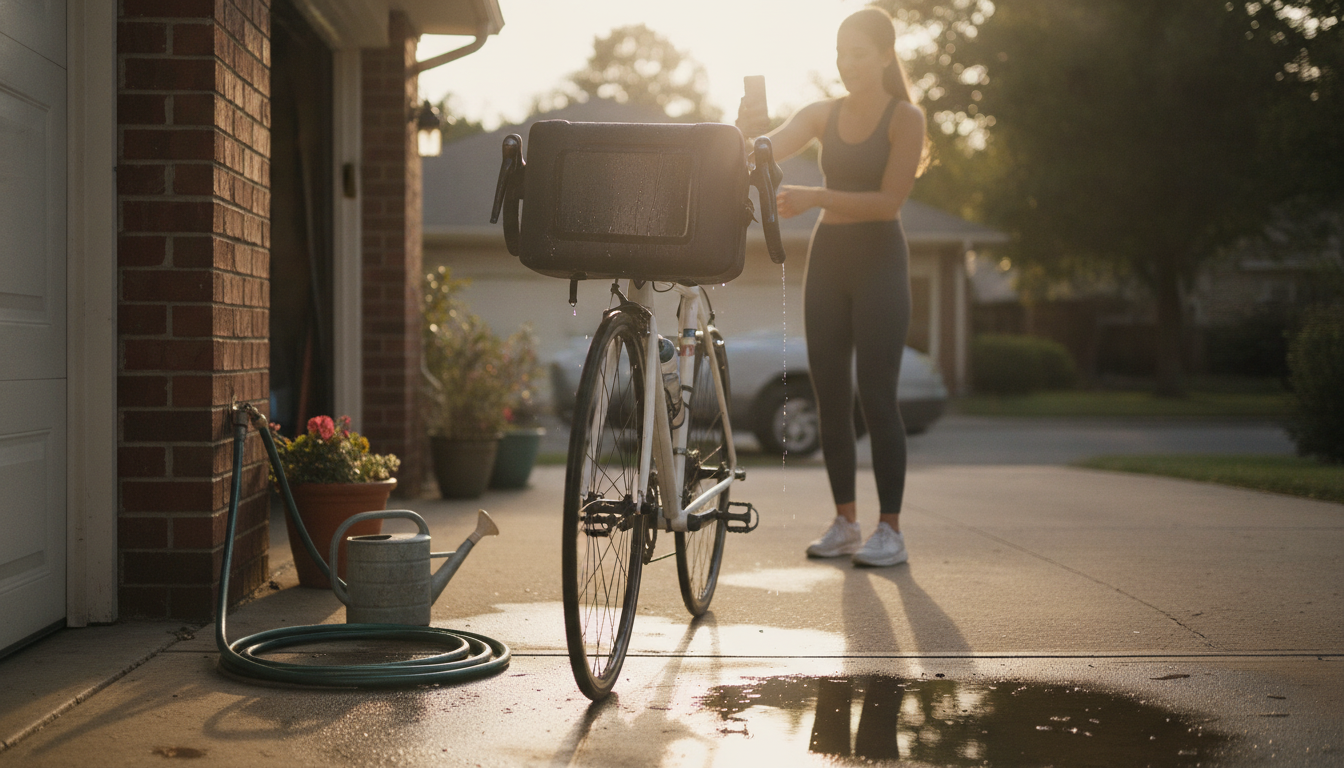
Hard shell typically means a rigid, molded exterior that holds its shape and helps block wind, road spray, and brief exposure to rain. Whether it’s truly “waterproof,” though, depends on the full system: shell material, seam construction, zipper type, and how openings are protected. A hard shell surface can repel water very well, but water can still enter through stitch lines, zipper teeth, cable ports, or poorly sealed edges.
Many hard shell bike bags and cases are best described as highly water-resistant rather than fully waterproof. They can shrug off a sudden shower or splashes from wet pavement, but prolonged downpours, pressure from standing water, or repeated puddle spray can eventually push moisture through vulnerable points—especially around zippers and seams.
What makes a hard shell truly waterproof?
To qualify as waterproof in practical use, look for a combination of a non-porous shell (or a well-coated fabric), sealed seams, and a waterproof zipper (or a zipper with a storm flap and gasketed design). A hard shell without seam sealing can still leak where panels join. Likewise, a standard zipper is often the first place water gets in, even when the shell itself sheds water perfectly.
What to expect for bike top tube and triangle hard shell bags
On-bike storage faces constant spray and vibration, so small gaps matter. A hard shell top tube bag may stay dry for essentials in light-to-moderate rain, but items that can’t get damp (phone, paper, power bank) are safer inside a secondary barrier like a zip pouch or thin dry bag. If you ride in heavy rain regularly, prioritize models with sealed seams and water-blocking zippers, and pay attention to how the bag mounts—strap slots and cable exits can act like funnels.
For a deeper breakdown of materials, zipper styles, and how “waterproof” claims translate to real riding conditions, see this hard shell waterproof guide.
FAQ
How do you keep items dry inside a bike bag in heavy rain?
Use an inner dry bag or zip pouch for electronics and papers, and pack items so the most sensitive gear sits away from the zipper line. After the ride, open the bag to vent moisture and prevent condensation buildup.















Leave a comment