Automatic Pet Water Fountain: 2.8L Guide for Cats & Dogs
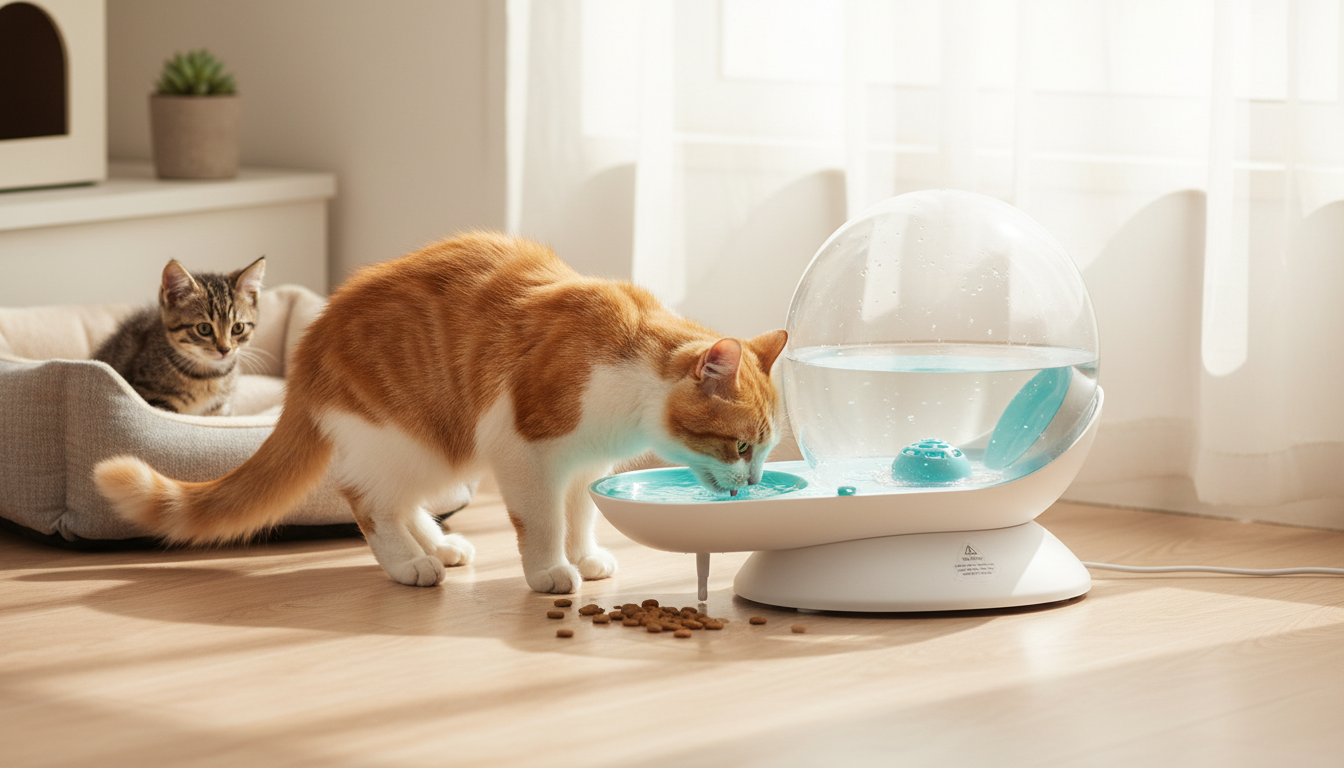
Automatic Pet Water Fountain for Clean, Consistent Hydration
An automatic pet water fountain can make daily hydration easier for both pets and people. By keeping water in gentle motion, fountains can help water taste fresher, stay more inviting, and remain accessible throughout the day—especially for cats that prefer running water and dogs that tend to drink more after play. Below is a practical guide to how fountains support everyday routines, what features matter most, and how a 2.8L capacity option fits common single- and multi-pet households.
Why flowing water can help pets drink more
Many pets show more interest in water that looks and sounds “fresh.” A fountain’s circulation can reduce the stale-bowl effect that happens when water sits for hours, particularly in warm rooms or busy homes.
- More appealing water movement: Moving water often stays more interesting to curious cats and can encourage quick “check-in” sips throughout the day.
- Helps keep the bowl area looking cleaner: Circulation can distribute oxygen and limit how fast visible debris settles at the bottom.
- More convenience on busy days: A larger reservoir typically means fewer refills than a standard bowl, which helps when schedules get hectic.
- Works well for different habits: Some cats seek out running water sources, while many dogs drink more reliably after activity when water is easy to access.
- Important note: A fountain is not a medical device. If thirst suddenly increases or drinking patterns change noticeably, it’s worth discussing with a veterinarian. General pet care resources from the American Veterinary Medical Association (AVMA) can be a helpful starting point.
Key features that make a fountain easy to live with
The best fountain is the one that fits your home’s routine—refill habits, cleaning tolerance, and where your pet prefers to drink. The features below tend to matter most once the “new toy” phase is over.
- Capacity: Match liters to your number of pets and how often refills are realistic. Bigger tanks reduce refill frequency, but they still need regular cleaning.
- Noise level: Look for steady, low-vibration pump operation and a stable base. Rattling often comes from low water, uneven surfaces, or parts that aren’t seated tightly.
- Filter approach: Multi-stage filtration can help with hair, sediment, and odor—just confirm replacement filters are easy to find and affordable over time.
- Materials: Plastic is lightweight; stainless steel is often favored for scratch resistance; ceramic can be heavy but stable and harder to tip.
- Cleaning experience: Fewer tight corners and easy-to-remove pieces make weekly cleaning faster (and more likely to happen).
- Power and safety: Stable cord routing, low-voltage pumps, and a design that keeps the pump submerged can improve reliability.
- Water-level visibility: A clear reservoir or level indicator helps prevent running the pump dry—one of the most common causes of sudden noise.
Quick comparison: fountain vs. water bowl
| Feature | Automatic fountain | Standard bowl |
|---|---|---|
| Water freshness | Circulates and can be filtered | Sits still; debris settles |
| Encourages drinking | Often higher for cats and some dogs | Varies; some pets lose interest |
| Refill frequency | Lower with larger reservoirs | Often daily or more |
| Cleaning routine | More parts; regular disassembly recommended | Simple wash-and-refill |
| Power needs | Requires electricity | None |
Spotlight: 2.8L Automatic Pet Water Fountain
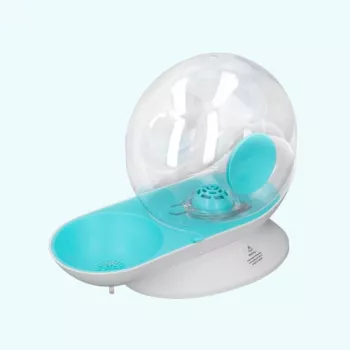
A mid-size reservoir can be the sweet spot for many households: large enough to reduce constant refills, but still manageable to empty and clean on a regular schedule. The 2.8L Automatic Pet Water Fountain is built to provide continuous movement for pets that ignore a still bowl and can suit many cats and small-to-medium dogs.
- 2.8L capacity for daily routines: Helps reduce refill frequency compared with a standard bowl, especially helpful for workdays, weekends away (with a sitter), or multi-pet homes.
- Supports pets that prefer running water: A steady flow can encourage more frequent sips throughout the day.
- Fits smaller spaces: Practical for apartments and home offices when placed on a stable surface and cleaned consistently.
- Best with a maintenance rhythm: Rinse debris, clean the pump area, and replace filters as recommended by the manufacturer for the best taste and flow.
Setup and placement tips for quieter operation
Most “noisy fountain” complaints are placement or water-level issues—not defective pumps. A few small adjustments often make a big difference.
Cleaning and filter care that keeps water tasting fresh
For additional general guidance on everyday pet wellness routines, the ASPCA pet care library is a solid reference.
Common issues and quick fixes
More in-stock picks
- Lightweight 3L Cycling Backpack for Running, Hiking & Outdoor Sports
- Canon 5D Mark III/IV 24-105mm DSLR Camera Underwater Housing
- Beige Travertine U-Shape Sculpture – Modern Stone Decor for Home Interiors
FAQ
How often should an automatic pet water fountain be cleaned?
Top off water daily and remove hair or debris as you see it. Plan a weekly disassembly to wash all parts, focusing on the pump intake area, and rinse thoroughly so no soap residue remains; clean more often in multi-pet homes.
Is a 2.8L fountain enough for two cats or a small dog?
A 2.8L reservoir often reduces refill frequency for two cats or a small dog, but needs vary by size, activity level, temperature, and diet. Monitor how quickly the level drops and keep water above the minimum line so the pump stays quiet and protected.
Why is the fountain making noise even though it’s plugged in correctly?
Most noise is caused by low water, a clogged pump intake (hair/minerals), a dirty filter, or vibration from an uneven surface. Check the water level first, then clean the pump and replace/rinse the filter, and finally move the fountain to a sturdier, level spot before assuming the pump is faulty.











Leave a comment