Keep 12V Ports Clean: Zinc Alloy Socket Plug Cover
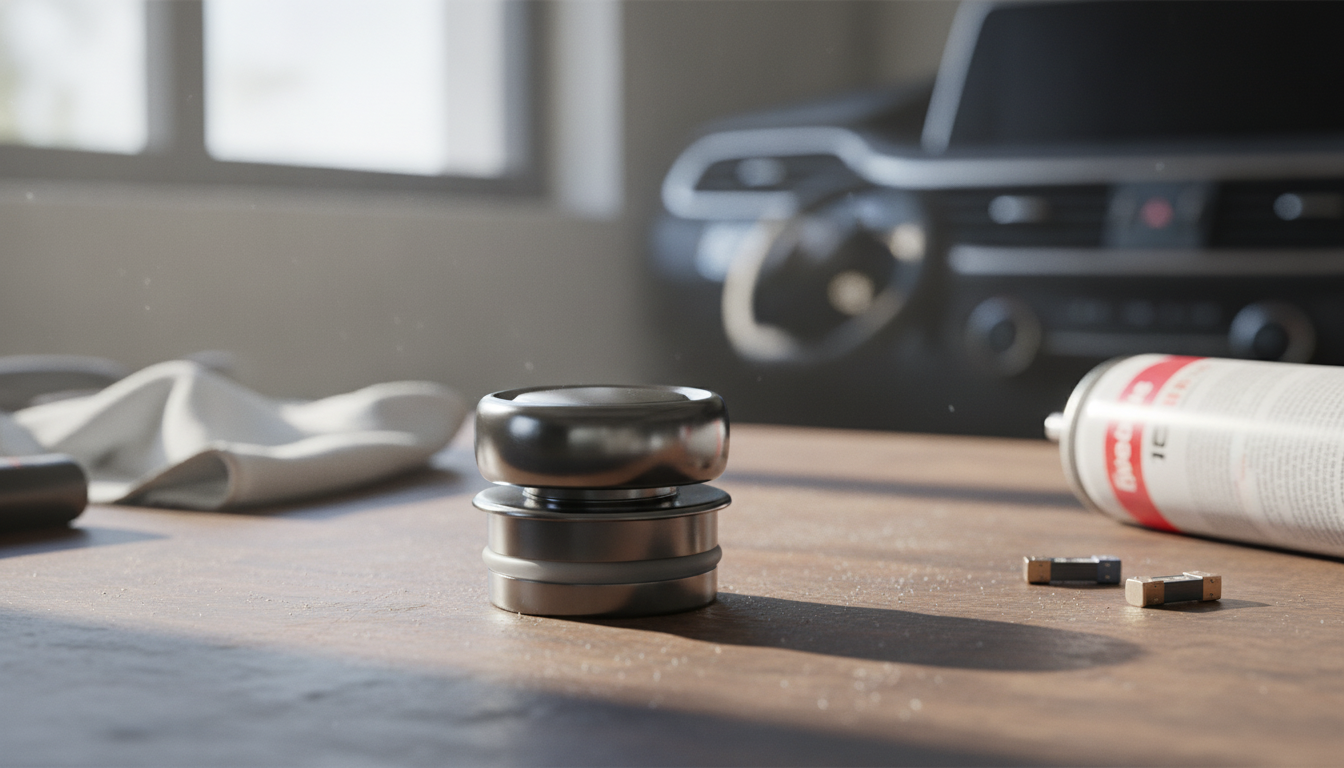
Waterproof Metal Car Socket Plug Cover: A Small Upgrade That Protects Your 12V Port
A 12V accessory socket is one of the most-used power points on a vehicle—and one of the easiest to neglect. On motorcycles, ATVs, boats, and work vehicles, the port often sits exposed to rain spray, dust, mud, and salty air. Over time, grime and oxidation can create intermittent connections, weak charging, or a plug that “wiggles” before it makes solid contact.
A metal socket plug cover is a simple way to seal the opening when the port isn’t in use. By keeping debris out and reducing moisture exposure at the rim and contacts, it helps the socket stay cleaner for everyday accessories like phone chargers, GPS units, heated gear, tire inflators, and small inverters.
What This Socket Plug Cover Does
- Seals the opening of a 12V accessory socket to help block water, mud, sand, and debris when the port is idle.
- Reduces oxidation and grime buildup on the socket contacts, improving accessory connection reliability over time.
- Adds a durable, metal-finished cap that can be easier to grip and remove than thin rubber covers.
- Works as a simple preventative accessory for vehicles used outdoors or in wet climates.
For a straightforward option designed for everyday protection, consider the Waterproof Metal Car Socket Plug Cover Dustproof Zinc Alloy Protector.
Where It Helps Most
- Motorcycles and scooters: Exposed dash or handlebar sockets that regularly see rain and road spray.
- ATVs, UTVs, and off-road vehicles: Dust and mud intrusion that can cause intermittent power contact.
- Marine use: Moisture and salt air that accelerate corrosion around electrical connections.
- Work trucks and fleet vehicles: Frequent use of the power port plus debris from job sites.
- Camping and overlanding setups: External 12V outlets near tailgates, bed racks, or cargo areas.
If a vehicle setup includes multiple ride essentials, it can also help to keep small gear organized and off the floorboards—especially on bikes and scooters. A compact option like the Lightweight 3L Cycling Backpack for Running, Hiking & Outdoor Sports can pair well with a protected power port for on-the-go charging and cleaner storage.
Zinc Alloy Construction: Practical Benefits
Zinc alloy plug covers are chosen for their rigid structure and long-term shape stability. In real-world vehicle use—vibration, repeated insert/remove cycles, and frequent handling—material stiffness can matter as much as the seal itself.
- Stiff structure: Resists tearing and deformation compared with soft plastic or rubber caps.
- Impact resistance: Helps protect ports located in high-contact areas where gear, gloves, or tools may bump the cap.
- Consistent sealing surface: Less prone to warping over time when removed and reinstalled frequently.
- Premium finish: A metal exterior can match metal mounts, handlebars, and dashboard trim for a cleaner look.
Material alone doesn’t guarantee protection, but a sturdy cap that keeps its shape can maintain a more consistent fit over the long run—especially for vehicles that live outside.
Fit and Compatibility Checks Before Buying
Most covers in this category are intended for the common “cigarette-lighter style” 12V accessory socket used across many vehicles. Still, socket dimensions and surrounding trim vary, so a quick fit check helps prevent headaches.
- Confirm the port type: Typical 12V accessory sockets are the intended match; check opening diameter and depth if the port is non-standard.
- Check surrounding clearance: Make sure the cap can be gripped and removed without hitting trim pieces, lids, or nearby switches.
- Consider mounting orientation: Vertical and angled sockets may collect water differently; a snug cap helps most when water pools.
- Avoid interference with accessory plugs: The cover is for sealing when not in use; accessories should still seat fully once the cap is removed.
- Pressure washing caution: If the vehicle is washed with high pressure, prioritize a tighter seal and avoid direct spray at the port opening.
For additional context on protection concepts like dust and water ingress (often expressed as “IP” ratings), the IEC’s overview of enclosure protection is a helpful reference: IEC 60529: Degrees of protection provided by enclosures (IP Code). For background on accessory power receptacle conventions, see SAE J563.
Installation and Daily Use
Care, Maintenance, and Corrosion Prevention
Quick Comparison: Metal Cover vs Other Common Options
| Option | Strengths | Trade-offs | Best for |
|---|---|---|---|
| Zinc alloy plug cover | Durable, rigid, premium feel, resists deformation | Less flexible than rubber; fit must be correct | Off-road, marine, frequent use |
| Rubber/silicone cap | Flexible, inexpensive, easy to fit slight variations | Can tear, stretch, or loosen over time | Light-duty and occasional exposure |
| Spring door / hinged socket cover | Fast open/close, integrated look | Hinges can break; may not seal tightly against fine dust | Dash-mounted ports with moderate exposure |
| No cover | No steps required | Highest risk of debris and corrosion | Indoor/low-exposure use only |
Safety Notes for 12V Accessory Ports
FAQ
Will a plug cover fit any 12V cigarette lighter socket?
Most standard 12V accessory sockets share similar sizing, but there are variations. Check the socket opening diameter, depth, and whether the socket has an internal lip or center-contact shape that could affect how the cover seats.
Can the cover make a socket fully waterproof?
It can help block splashes and debris when it’s seated properly, but results depend on socket condition, mounting quality, and water pressure. Avoid blasting the port directly with a pressure washer and check for moisture after heavy exposure.
What should be done if the socket still gets corrosion?
With power off, clean and dry the contacts using a dry cloth or electronics-safe contact cleaner, then reassess the cover’s fit. If corrosion persists, inspect for water entry around the socket mount, panel opening, or wiring grommets behind the port.















Leave a comment