Printable Snoring Checklist: 7 Nights to Quieter Sleep
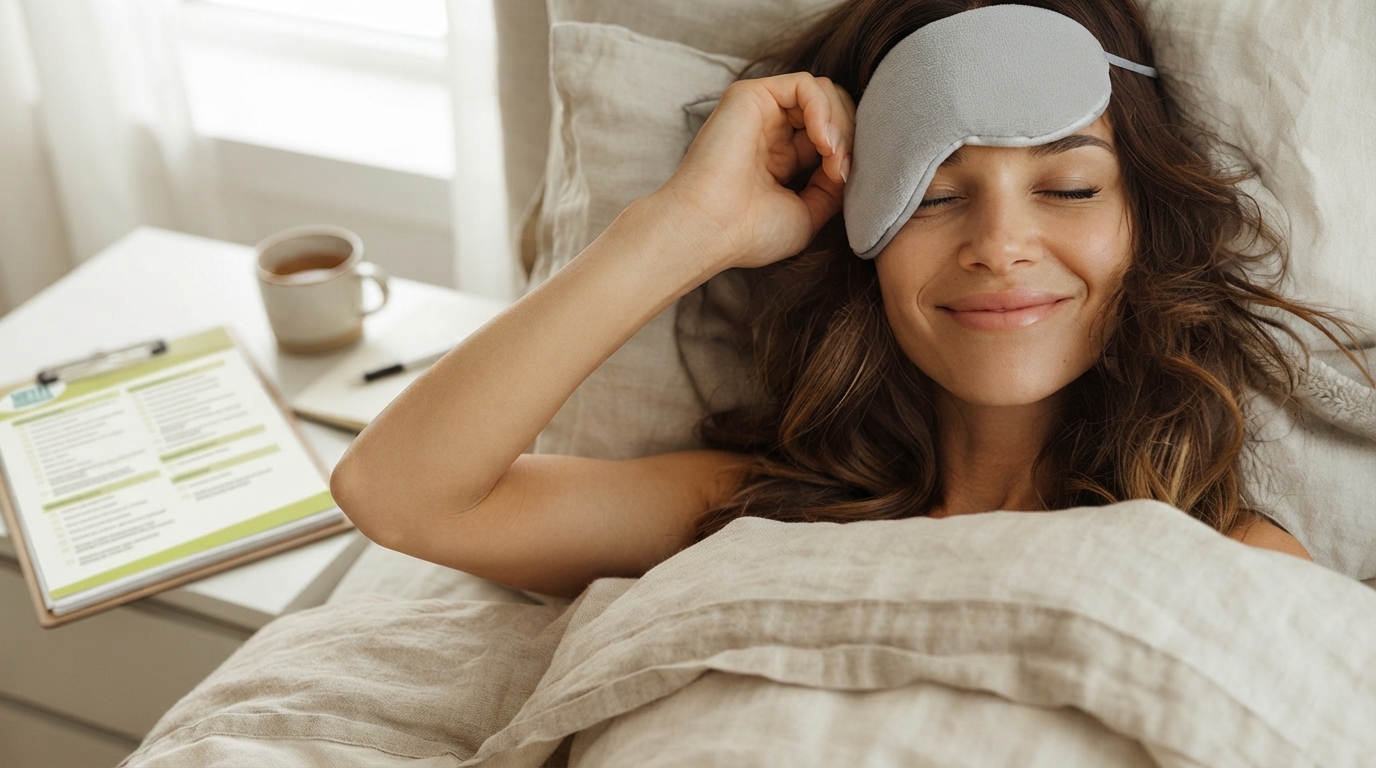
The Snoring Solutions Checklist for Better Sleep: A Printable Plan to Try Tonight
Snoring can turn a full night in bed into broken sleep for everyone in the room. A simple checklist makes it easier to identify likely triggers, try practical changes in a sensible order, and track what actually helps. This printable guide is designed for quick use—start with low-effort steps, note results, and know when it’s time to get medical input.
What Snoring Can Signal (and When It’s More Than Noise)
Snoring usually happens when airflow is partially blocked and the soft tissues in the throat or nose vibrate during sleep. It can be occasional and harmless, but it can also be a clue that breathing is working harder than it should.
- Common contributors include nasal congestion, sleep position (especially back sleeping), alcohol close to bedtime, certain medications, and weight changes.
- Temporary causes (like a cold or seasonal allergies) can create a sudden spike in snoring volume or frequency.
- Loud snoring plus choking/gasping, witnessed breathing pauses, morning headaches, or heavy daytime sleepiness can point to obstructive sleep apnea and should be evaluated.
For a clear overview of sleep apnea warning signs and why they matter, see the American Academy of Sleep Medicine fact sheet. Additional background on common snoring causes is available from Mayo Clinic.
How to Use a Snoring Checklist for Faster Results
A checklist works best when it’s treated like a short, simple experiment rather than a total lifestyle overhaul. The goal is to avoid changing five things at once and then not knowing what made the difference.
- Start with one change at a time for 3–7 nights to avoid confusing what worked.
- Use a simple rating (0–10) for snoring loudness and sleep quality; note daytime energy and morning dryness/sore throat.
- If possible, use a phone voice recorder or a snore-tracking app for before/after comparisons.
- Loop in a bed partner’s observations when available (volume, frequency, breathing pauses).
Simple Weekly Tracking Grid
| Night | Change Tried | Snoring (0–10) | Sleep Quality (0–10) | Notes (congestion, alcohol, stress, position) |
|---|---|---|---|---|
| Mon | Side-sleeping support | |||
| Tue | Nasal rinse / humidity | |||
| Wed | No alcohol 4+ hours before bed | |||
| Thu | Earlier dinner / reflux-friendly evening | |||
| Fri | Allergen control (bedding, room) | |||
| Sat | Hydration + bedtime routine | |||
| Sun | Review + keep the best change |
Quick Wins to Try First (Low Cost, Low Hassle)
When snoring is frequent, it’s tempting to jump straight to complicated solutions. Starting with a few quick, low-effort steps can reveal a simple driver (like position or congestion) without spending much time or money.
- Change sleep position: Side-sleeping often reduces airway narrowing; consider a body pillow or a positional aid to stay off your back.
- Reduce nasal blockage: Saline rinse, shower steam, or a humidifier can help if dryness or congestion is a pattern.
- Adjust evening habits: Limit alcohol near bedtime and avoid heavy meals late if reflux is suspected.
- Optimize bedroom air: Reduce dust/allergens, wash bedding regularly, and keep pets out if allergies flare at night.
- Support healthy sleep timing: A consistent sleep schedule may reduce “overtired” sleep that worsens airway collapse for some people.
Lifestyle Factors That Often Drive Snoring
If the quick wins help only a little—or the improvement doesn’t last—zoom out and look at the patterns that influence airway tone and inflammation over time.
- Weight changes: Even modest weight gain can increase soft tissue around the airway; gradual, sustainable changes can help some people.
- Smoking and vaping: Airway irritation and inflammation can worsen snoring; reducing exposure may improve symptoms.
- Medication review: Some sedatives or muscle relaxants can increase airway relaxation; a clinician or pharmacist can advise on safer timing or alternatives.
- Hydration: Dry mouth and throat tissues can worsen vibration; adequate daytime hydration may help (without overdoing fluids right before bed).
Bedroom Setup Checklist That Supports Quiet Sleep
Your bedroom setup can either support smoother airflow—or nudge you toward the positions and conditions that make snoring louder. Small adjustments can be surprisingly noticeable within a week.
- Pillow height and neck alignment: Aim for a neutral neck position; extreme flexion/extension can affect airflow.
- Mattress and head elevation: Slight head-of-bed elevation may help some people, especially with reflux symptoms.
- Humidity and temperature: Overly dry air can irritate the airway; overly warm rooms may worsen congestion for some sleepers.
- Noise strategy: If snoring persists while solutions are tested, consider white noise or earplugs for the partner as a temporary bridge.
When to Get Checked for Sleep Apnea
Printable Snoring Solutions Checklist: What’s Inside
If you want a single place to organize your “what changed?” notes, try the Printable Snoring Solutions Checklist for Better Sleep. It’s designed to be quick to use on a busy weeknight.
If you’re refreshing your sleep space while you test changes, small environment tweaks can help the process feel easier to stick with—some people even like adding a calming bedside accent such as the Beige Travertine U-Shape Sculpture – Modern Stone Decor for Home Interiors to keep the nightstand tidy and visually uncluttered.
A Simple 7-Night Plan to Start Tonight
FAQ
How quickly can snoring improve after making changes?
Many people notice differences within a few nights when congestion, alcohol timing, or sleep position is the main driver. Track results for 1–2 weeks to confirm a real pattern rather than a one-off good night.
What are the clearest signs that snoring could be sleep apnea?
Loud snoring with witnessed breathing pauses, gasping/choking, significant daytime sleepiness, morning headaches, and high blood pressure are common reasons to seek evaluation. If these show up together, a sleep study can clarify what’s happening.
Should the checklist be used by the snorer, the partner, or both?
Best results come from both when possible: the snorer tracks habits and symptoms, while the partner notes volume, frequency, and any breathing irregularities. Combining both perspectives makes patterns easier to spot.















Leave a comment