Massage Gun Guide for Athletes: Warm-Up & Recovery
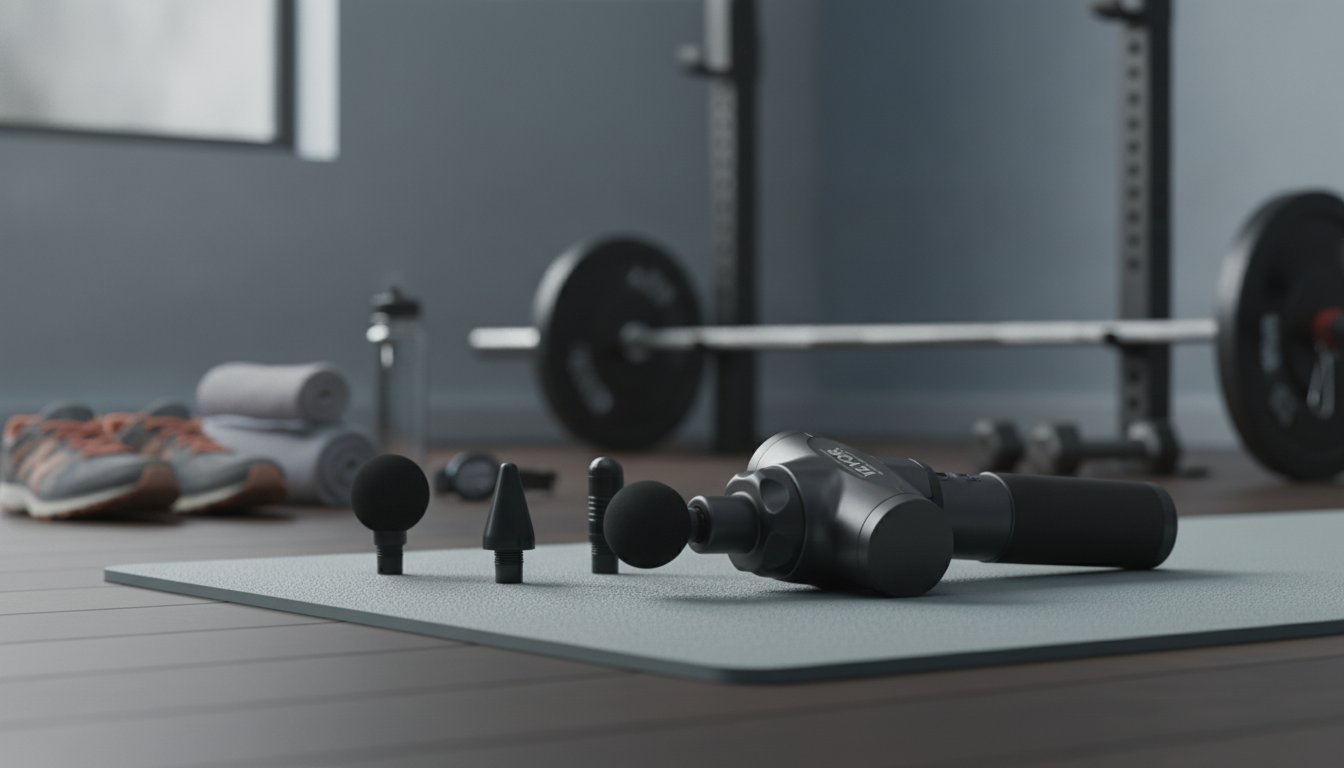
Deep Tissue Massage Gun for Athletes: Recovery, Warm-Up, and Soreness Relief
Training hard can leave muscles tight, sore, and slow to bounce back between sessions. A deep tissue massage gun uses rapid percussive pulses to target common trouble spots—quads, calves, glutes, upper back—helping athletes feel looser before workouts and less stiff afterward. The sections below break down benefits, practical routines, key features to prioritize, and safe ways to use percussive therapy for performance and recovery.
What a deep tissue massage gun does
A massage gun delivers quick, repeated pulses into soft tissue. Many athletes use it to reduce the sensation of tightness, encourage local blood flow, and “wake up” muscles before training. It can also support post-workout recovery by easing that heavy, stiff feeling after hard sessions—without needing to book a full massage appointment.
Like any recovery tool, it works best alongside fundamentals: smart training volume, mobility work, strength training, sleep, hydration, and nutrition. If soreness is intense or persistent, it may help to review common causes of delayed onset muscle soreness (DOMS) with a medical source like Cleveland Clinic.
Why athletes use percussive therapy
Athletes choose percussive therapy for a mix of convenience and targeted relief. Post-training, a short 5–10 minute total session can feel like it takes the edge off next-day tightness—especially in high-use areas such as calves, quads, glutes, and upper back. Pre-training, brief, light passes may help muscles feel more “online” for sprinting, jumping, lifting, or quick changes of direction.
It’s also easy to customize by sport: runners often focus on calves and feet; climbers and racquet-sport athletes may spend time on forearms; cyclists gravitate toward quads and hip flexors; lifters frequently address lats, pecs, and upper back. For background on massage therapy benefits and limitations, see the National Center for Complementary and Integrative Health (NCCIH). For research-oriented overviews on percussive and vibration approaches, PubMed’s collection of reviews is a helpful starting point: PubMed search results.
When to use it: pre-workout vs post-workout
Pre-workout (activation)
Keep it short and light: about 10–20 seconds per spot, with 1–2 passes over each muscle group. The goal is to increase readiness, not to “dig in” until the area feels numb or weak. Think glutes before sprint work, quads before squats, and lats before pulling movements.
Post-workout (downshift)
Use longer, calmer passes: roughly 30–60 seconds per muscle group (up to 90 seconds for large areas like glutes and quads). Pair it with slow nasal breathing to help the body shift out of high gear.
Rest days (maintenance)
On off-days, a brief session can be a useful lead-in to mobility work. Try a light pass, then follow with gentle stretching or easy range-of-motion drills.
| Sport/Goal | Best time | Target areas | Typical session |
|---|---|---|---|
| Running (easy day) | Post-run | Calves, quads, glutes | 6–8 min total |
| Strength training (heavy) | Pre-lift + post-lift | Glutes, lats, pecs, quads | 2–4 min pre, 6–8 min post |
| Cycling (long ride) | Post-ride | Quads, hip flexors, calves | 8–10 min total |
| Field sports (game day) | Pre-game | Glutes, hamstrings, calves | 3–5 min total |
How to use a massage gun safely and effectively
Start with a lower intensity than you think you need and increase gradually. Let the attachment glide; heavy pressing usually backfires by turning a recovery tool into a bruising tool. Move slowly over the muscle belly, pausing briefly (a few seconds) on tender points, then continuing your sweep.
Avoid high-risk zones: the front of the neck/throat, directly on the spine, bony prominences, the kidney area, and any place that feels numb, tingly, or sharply painful. Use extra caution with acute injuries, significant swelling, unexplained bruising, or clotting risks; when in doubt, check with a qualified clinician.
For sensitive regions like the inner thigh, shin area, or forearm, reduce both pressure and time. Shorter sessions done consistently usually beat occasional aggressive sessions.
Attachments and muscle targets athletes use most
| Area | Goal | Suggested attachment | Time |
|---|---|---|---|
| Quads | Post-workout soreness | Ball or flat | 60–90 sec |
| Calves | Tightness from running/jumping | Ball or fork (muscle only) | 45–60 sec |
| Glutes/hips | Hip tightness, stride support | Ball | 60–90 sec |
| Upper back | Posture and lifting fatigue | Flat | 45–60 sec |
What to look for in a deep tissue massage gun
A practical 8-minute routine after training
Massage gun vs foam roller: which fits your training week?
Featured recovery picks (in stock)
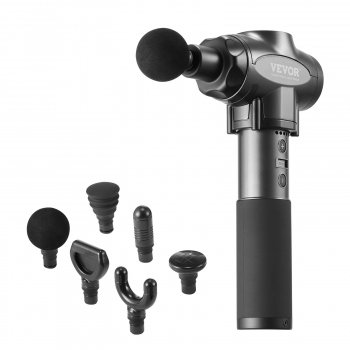
If you want a straightforward option built around athletic recovery, Deep Tissue Massage Gun for Athletes is designed for targeted relief after training and on rest days, and it fits easily into a home setup or gym bag.
For athletes who train outdoors, commute by bike, or head straight from work to workouts, the Lightweight 3L Cycling Backpack for Running, Hiking & Outdoor Sports is a practical companion for carrying essentials without a bulky load.
Care, cleaning, and storage
FAQ
How long should athletes use a massage gun on one muscle?
A common range is 30–60 seconds per muscle group, with up to about 90 seconds for large areas like the quads and glutes. Use light-to-moderate pressure and stop if you feel sharp pain, numbness, or tingling.
Is it better to use a massage gun before or after a workout?
Before training, keep it short and light (about 10–20 seconds per spot) to support activation. After training, use longer, slower passes (about 30–60 seconds per muscle group) to help ease stiffness.
Where should a massage gun not be used?
Avoid the front of the neck/throat, directly on the spine or bony areas, and over bruises or acute injuries. Don’t use it on areas with sharp pain, numbness, or swelling, and consult a clinician if you have medical risks or concerns.














Leave a comment