Extra-Large Velvet Cat Sofa Bed: Warm Nest Comfort
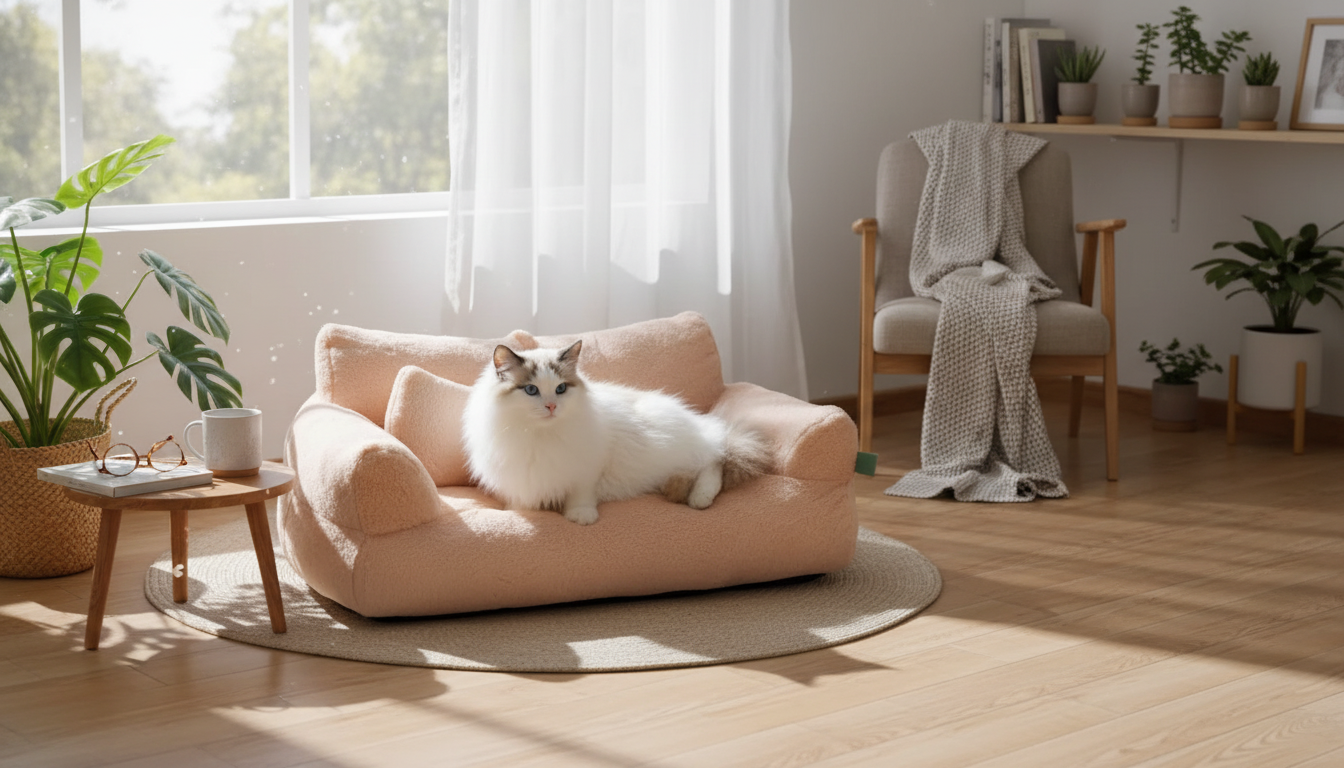
Extra Large Velvet Cat Sofa Bed: A Warm, Soft “Nest” That Looks at Home
A cozy resting spot can make a noticeable difference in how often a pet relaxes, naps, and settles down for the night. An extra large velvet sofa-style bed is designed to feel warm and plush while offering a defined “nest” shape that many cats (and some small dogs) naturally seek out. Below is a practical look at comfort, fit, placement, care, and what to check before choosing a sofa bed that becomes part of a pet’s daily routine.
What makes a sofa-style pet bed different
Sofa-style pet beds borrow the comfort cues of human furniture—bolsters, a defined perimeter, and a dedicated lounging “seat”—but scale them for pets. The raised edges create a den-like boundary that can help pets feel secure while sleeping or lounging, especially in open-plan homes where movement and noise come from multiple directions.
The sofa profile also supports common resting positions: curled up, tucked paws, head-on-bolster, and side sleeping. Many cats use the edge like a pillow, switching between fully tucked naps and longer stretches without leaving the bed. Because the perimeter is defined, it can also help keep a pet’s body off colder floors and away from low drafts. Visually, the structured look blends into living rooms and bedrooms more like furniture than a typical floor cushion—useful when the bed will sit near a couch, reading chair, or bedside table.
Comfort and warmth: velvet, cushioning, and nest depth
Velvet-like fabric is typically smooth to the touch and often feels warmer than flat woven materials, especially in cooler rooms or during nighttime temperature drops. A soft surface can encourage kneading and settling—common behaviors for cats before sleep—so the bed becomes a predictable “landing zone” rather than a spot they visit only occasionally.
Cushioning matters as much as fabric. Look for fill that rebounds after pressure; it helps maintain comfort over time and supports relaxed resting through longer naps. Bolstered sides can double as a headrest; many pets choose the edge as a pillow to keep their head slightly elevated while dozing. For cats that prefer to burrow, pairing the bed with a lightweight throw gives them something to “nest” under without turning the bed into a heat trap.
Sizing and fit for cats and small dogs
Choosing an extra large bed is less about extravagance and more about matching real-life sleep habits. Measure a pet in their most common sleeping position—both curled and fully stretched—to avoid a bed that feels cramped. Beds that are too small often lead to “half-on, half-off” lounging, which can shift fur to nearby furniture and reduce how often the bed gets used.
A larger sofa bed can also be practical in multi-cat households where pets share or rotate favorite spots. Seniors may benefit from more room to reposition without stepping off the cushion, especially if they change positions frequently during rest. When deciding what matters most, consider the pet’s style: if a cat prefers curling tightly, bolster height and snug edges may matter more than total length; if a pet sprawls, prioritize the inner sleeping area so they can fully relax inside the perimeter.
Where to place it for maximum use
Placement often determines whether a bed becomes a daily favorite or an ignored accessory. A quiet corner with a wall behind the bed reduces “traffic” from multiple directions; many pets rest more deeply when their back feels covered. Keep it away from litter boxes, feeding stations, and high-odor areas to encourage longer naps and reduce the chance that the bed picks up lingering smells.
For cats that sunbathe, placing the bed near a window can be ideal—just avoid direct cold drafts in winter. In multi-level homes, consider one bed on the main floor and another near sleeping areas to reduce nighttime wandering. During the first few days, if a pet is hesitant, place the bed near a familiar scent source (like a worn T-shirt or a small blanket) to make the new spot feel “claimed.” For more general pet comfort and safety guidance, helpful references include the AVMA pet care resources and the ASPCA general cat care guide.
Everyday durability: fur, claws, and maintaining the “sofa” look
Care and cleaning checklist
| Task | How often | Tip |
|---|---|---|
| Remove fur | 2–4 times per week | Lint roller or rubber glove works well on velvet-like fabric |
| Wash removable parts | Every 2–4 weeks | Use gentle detergent; avoid heavy fragrance |
| Spot-clean | As needed | Blot, don’t rub; let fully dry before use |
| Rotate position | Weekly | Helps prevent a permanent “favorite spot” dip |
Who this style of bed suits best
Product picks to create a cozy, organized pet corner
Extra Large Velvet Cat Sofa Bed – Warm, Soft Pet Nest for Cats & Small Dogs
Multi-Functional Cat Tree with Litter Enclosure, Food Station & Storage
FAQ
How can a pet be encouraged to use a new sofa bed?
Place the bed in a spot your pet already chooses for rest, then add a familiar-scent blanket. Reward calm investigation with gentle praise or a treat, and avoid placing your pet on the bed before they’re ready.
Is a sofa-style bed suitable for senior cats or small dogs?
Yes, as long as it’s easy to step into and the cushioning stays supportive. Place it on a stable, non-slippery surface so entry and exit feel secure.
How often should a pet bed be washed?
Washing every 2–4 weeks works for many homes, with more frequent cleaning for allergies or heavy shedding. Remove fur regularly and spot-clean right away to keep the bed fresh between washes.















Leave a comment