550Wh Solar Power Station: Power Beyond the Outlet
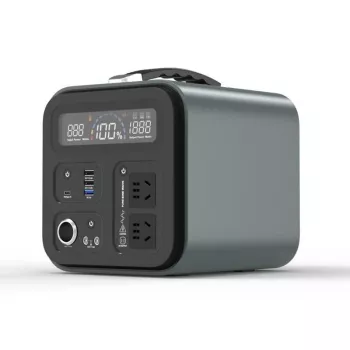
When an outlet is out of reach, a portable power station can help you keep essential devices available. Our Portable 550Wh Solar Power Station combines stored energy with a stated 600W pure sine wave AC output, plus USB and DC outputs for compatible devices. Whether you’re planning a camping trip, working outdoors, or preparing for a short power interruption, it gives you options for using electricity away from a wall outlet.
The key is matching your devices to the station’s capacity and output. Here’s how to make practical choices before you pack or plug in.
Power for Everyday Devices
The two main numbers describe different things. The 550Wh capacity is the stated amount of energy stored, while the 600W AC output is the stated power rating for the AC output. Capacity helps you plan how long a device might run; output helps you judge whether the station can supply the power the device needs.
You might use the station to charge phones, power a laptop, or run compatible low-wattage equipment. USB and DC connections offer alternatives to AC for devices designed to use them. Before connecting anything, look at its power requirements and connector type, and account for the combined load if you plan to use more than one device.
| Specification | What it means | Buying consideration |
|---|---|---|
| 550Wh capacity | The stated amount of energy stored | Actual usable energy and runtime vary with conditions and conversion losses. |
| 600W AC output | The stated AC power rating | Check the combined wattage and startup requirements of connected devices. |
| Pure sine wave AC | A smooth AC waveform | Useful for devices that require this type of AC power. |
| USB and DC outputs | Additional ways to connect compatible devices | Confirm connector and device requirements before use. |
A Practical Companion for Trips and Outages
On a camping trip, stored power can help you keep a phone charged or use compatible lighting after dark. For outdoor work, it can provide a way to power suitable electronics when a nearby outlet isn’t available. At home, it can support selected devices during a short interruption, provided their requirements fall within the station’s limits.
When your stored energy is limited, prioritize communication and lighting. Charging a phone and keeping a compatible light available may be more useful than spending power on nonessential equipment. Decide what you need most before an outage or trip, and disconnect devices when you no longer need them.
For broader preparation, Ready.gov’s power outage guidance covers steps to take before and during an interruption. A power station is one part of a plan, not a substitute for considering food, water, medication, and other household needs.
Choosing Devices and Managing Runtime
To make a basic runtime estimate, divide the station’s stated watt-hour capacity by the device’s power draw in watts. For example, a device drawing 50W gives an ideal calculation of 550Wh ÷ 50W, or 11 hours.
That figure is a planning example, not a promise. Real runtime will be shorter because energy is lost during conversion and operating conditions affect performance. A device may also draw different amounts of power at different times, so its labeled wattage may not describe every moment of use. The U.S. Department of Energy’s guide to estimating energy use explains how device wattage and hours of use relate.
Pay particular attention to appliances that draw a lot of power or need a substantial surge when starting. They may not be suitable even if their ordinary running wattage seems manageable. Review both the running and startup requirements, as well as the total load from devices you expect to connect at the same time.
Solar Charging and Safe Use
Solar charging can be appealing when you’re away from an outlet for an extended period. Before buying or connecting a panel, confirm that it is compatible with the station and meets its solar input requirements. A solar panel is not assumed to be included, and charging results depend on conditions and the equipment used.
Follow the manufacturer’s charging and operating instructions. Keep the station and its connections protected from conditions the manufacturer identifies as unsuitable, and use the appropriate cables and connectors. Plan a charging opportunity ahead of time rather than relying on a depleted battery to carry you through the next day.
Explore the 550Wh Power Station
Our Portable 550Wh Solar Power Station brings together portable capacity, a 600W pure sine wave AC output, and USB and DC connections. Visit the product page to check its current price and availability and review the details relevant to your devices.
If your trip also includes a hike or ride, our Lightweight 3L Cycling Backpack for Running, Hiking & Outdoor Sports is another option to explore for carrying small essentials. Choose your gear around the length of your outing and what you need to bring.
FAQ
How long will the 550Wh power station run a device?
Divide 550Wh by the device’s wattage for an ideal estimate. Actual runtime will be shorter and depends on the device, conversion losses, and operating conditions.
Can I charge the power station with a solar panel?
The station is described as a solar power station, but you should confirm panel compatibility and input requirements before connecting one. Do not assume a solar panel is included.
What does pure sine wave AC mean?
It describes a smooth AC waveform that can be useful for devices requiring pure sine wave power. Check your device’s requirements against the station’s output rating.













Leave a comment