Will My Cat Actually Use a Cat Tree? Tips to Help
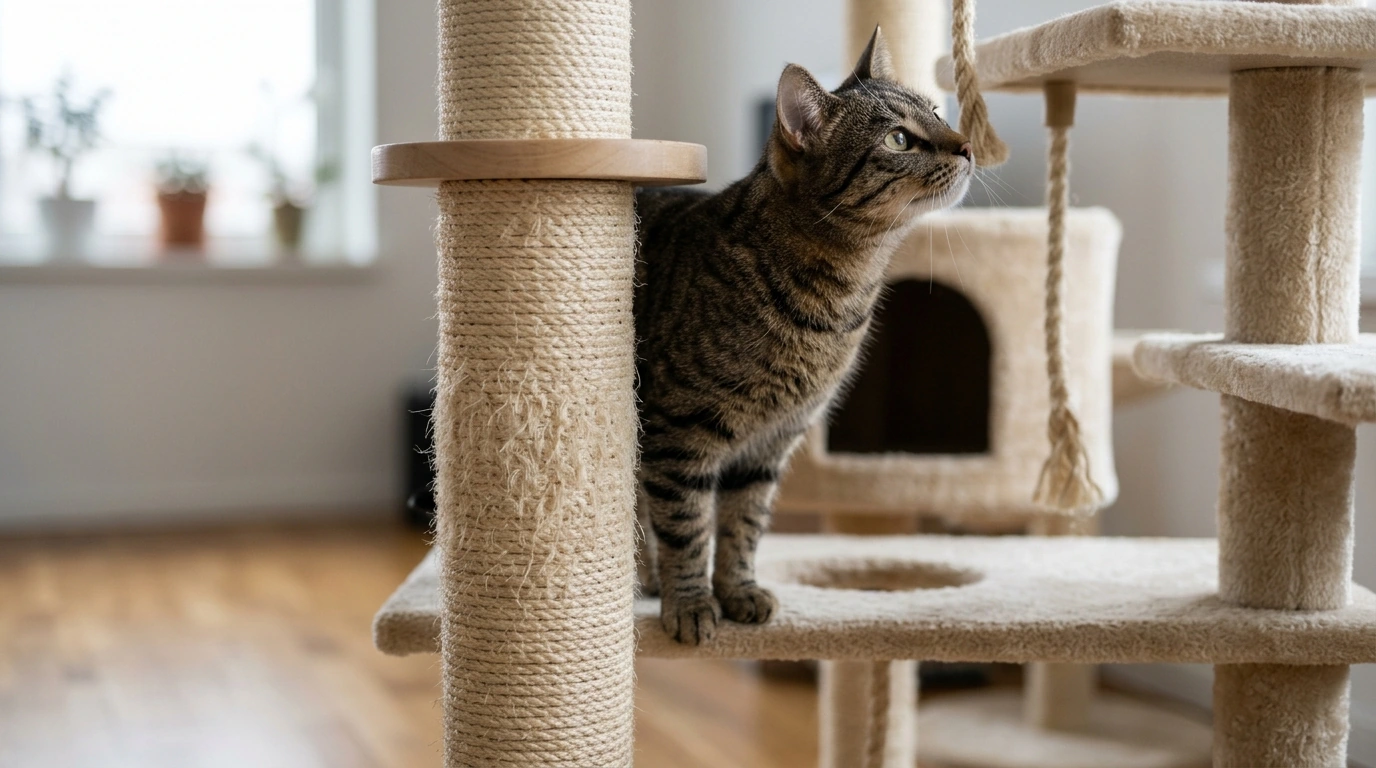
Will my cat actually use a cat tree?
Many cats will use a cat tree, but there is no guarantee every cat will take to one immediately. A tree is most appealing when it offers things your cat already enjoys, such as a place to climb, a scratching surface, or a perch for watching the room.
Start by noticing where your cat spends time. If you often find your cat on a windowsill or the back of a couch, an elevated perch may be a draw. If your cat prefers staying closer to the floor, a tree with accessible lower platforms can provide a gentler introduction.
What makes a cat tree appealing?
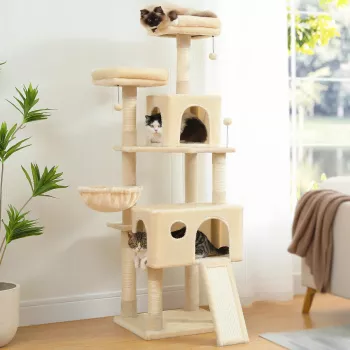
Look for features that match your cat’s habits rather than choosing the tallest tree available. A useful setup can include sturdy platforms, scratching posts, and more than one route up or down. For a cat who likes to survey activity, place the tree where the perch offers a view of a favorite room or window.
Stability matters, too. The base should sit firmly on the floor without wobbling when your cat jumps or scratches. Give your cat enough clear space to approach and leave the tree comfortably, and position it away from hazards such as loose cords or unstable furniture.
How can you encourage your cat to try it?
Put the tree near a spot your cat already visits instead of tucking it into an unused corner. You can place a favorite toy on a lower platform or use treats to reward exploration. A little catnip on a scratching surface may help if your cat responds to it.
Let your cat investigate at their own pace. Avoid forcing them onto a platform, which can make the tree feel less inviting. If it goes untouched, try moving it to another location or making the first step easier to reach.
Can a cat tree be part of a larger setup?
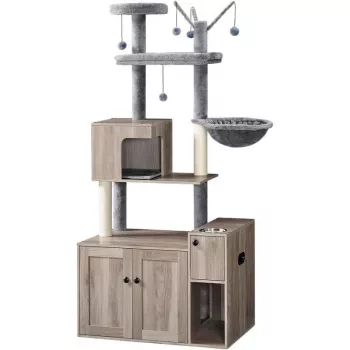
Yes. If you want to bring climbing, litter, feeding, and storage areas together, explore our guide to all-in-one cat tree setups. Keep food and water separate from the litter area, and make sure your cat can reach each space without feeling trapped.
FAQ
Where should you put a cat tree?
Place it in a room your cat already uses, ideally near a window or another interesting view. Choose a level surface and leave clear access around the tree.














Leave a comment