Carbon Fiber Titanium Flat Bike Pedals: What to Check
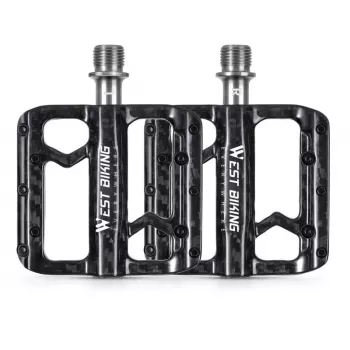
A pedal swap can change how a bike feels underfoot. If you prefer to step on and off without clipping in, flat pedals give you that freedom. Our Full Carbon Fiber Titanium Shaft Flat Bike Pedals with Sealed 3 Bearings combine a carbon fiber body, a titanium shaft, and three sealed bearings in a flat platform. Before choosing them, consider how you ride, what shoes you wear, and whether the pedals are compatible with your bike.
Where flat pedals fit your riding style
Flat pedals can be a comfortable choice for commutes, casual rides, and trips with frequent stops. You can lift a foot away without first releasing a clip-in connection, which may appeal to you if you like to change your foot position as you ride. They are not automatically the best choice for everyone. If you value the connected feel of clip-in pedals, that difference is worth weighing before you switch.
This pair has a carbon fiber pedal body, titanium shaft, and three sealed bearings. Those are useful construction details, but they do not tell you everything about how a pedal will feel. Your shoes, preferred foot position, and riding terrain all affect your experience on a flat platform. Consider the pedals and shoes as a setup rather than making your decision from materials alone.
If you are comparing pedal styles, REI Co-op’s guide to choosing bike pedals offers a broader look at flat and clip-in options. Use that comparison to decide which style fits your riding habits first; then look at the details of a particular pair.
What to check before you buy
Start with how you want your feet to interact with the bike. A flat pedal lets you ride without a mechanical shoe connection, while a clip-in system is designed to hold compatible shoes in place until you release them. If being able to step off freely is a priority, a flat platform is a sensible option to explore.
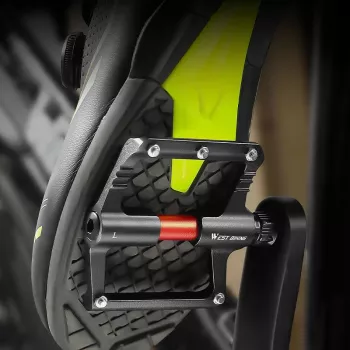
Next, consider where you normally place your feet. You may favor a centered position or find yourself shifting your feet during a ride. The platform needs to feel comfortable with that habit. Finally, think about your riding shoes: soles that make dependable contact can help you feel settled underfoot. If you have a pair you already trust for riding, use it as your starting point when assessing a new pedal.
| Consideration | What this pair offers | What to check |
|---|---|---|
| Pedal style | Flat platform | Whether you prefer riding without a clip-in connection |
| Materials | Carbon fiber body and titanium shaft | Whether these materials match your priorities |
| Bearings | Three sealed bearings | Your expectations for upkeep and riding conditions |
| Bike fit | Fit details are not specified here | Crank thread compatibility before installation |
Before ordering, confirm that the pedal threads are compatible with your crankset. Do not assume that a pedal will fit solely because it is intended for a bicycle. If you are unsure what your crank requires, consult its documentation or ask a qualified bike mechanic to help identify it.
Getting comfortable on a new platform
For your first outing, wear familiar riding shoes and choose a short route you know well. Notice where your feet naturally rest and whether you can maintain comfortable contact as you start, stop, and turn. A short ride gives you room to make adjustments before committing to a longer trip.
If your footing feels uncertain, try a different foot position or shoes with soles that feel more secure on the pedals. Pay attention to what happens during ordinary riding, not just while the bike is stationary. Different shoes can change your sense of contact, so it is worth finding a combination that feels dependable to you.
Before you ride, make sure each pedal is securely installed on the correct side and spins as expected. Follow the pedal and crank manufacturers’ instructions for installation and tightening; left- and right-side pedals must be handled correctly. Park Tool’s pedal installation guide provides additional guidance on the process. If installation is unfamiliar, a bike mechanic can help you avoid damaged threads.
Sealed bearings are part of the pedal’s construction, not a promise of maintenance-free riding. As part of your regular bike checks, look for looseness or visible damage and notice whether rotation feels rough. Follow the manufacturer’s care guidance if a pedal needs attention.
Build a simple ride-ready setup
If a flat platform suits the way you ride, take a closer look at our Full Carbon Fiber Titanium Shaft Flat Bike Pedals with Sealed 3 Bearings. Pairing a pedal choice with shoes that feel secure underfoot is more useful than judging either item in isolation.
For carrying small ride essentials, our Lightweight 3L Cycling Backpack for Running, Hiking & Outdoor Sports is an optional companion. It serves a separate purpose from your pedals, so choose it based on what you want to carry, not on how you expect the bike to feel underfoot.
Before your next ride, confirm bike compatibility, settle on shoes that provide comfortable contact, and include your pedals in routine bike inspections. Those simple steps help you make a practical choice and get acquainted with a new setup at your own pace.
FAQ
Do flat bike pedals require special shoes?
No clip-in shoes are required. Choose shoes whose soles feel secure on the platform, and assess the contact on a short ride before heading out for a longer one.
Will these pedals fit my bike?
Confirm that the pedal threads are compatible with your crankset before ordering. Follow the correct left- and right-side installation instructions.
Do sealed bearings eliminate pedal maintenance?
No. Check the pedals periodically for looseness, rough rotation, and visible damage, and follow the manufacturer’s care guidance.















Leave a comment