Even-Warm Water Circulation Heated Mattress Guide
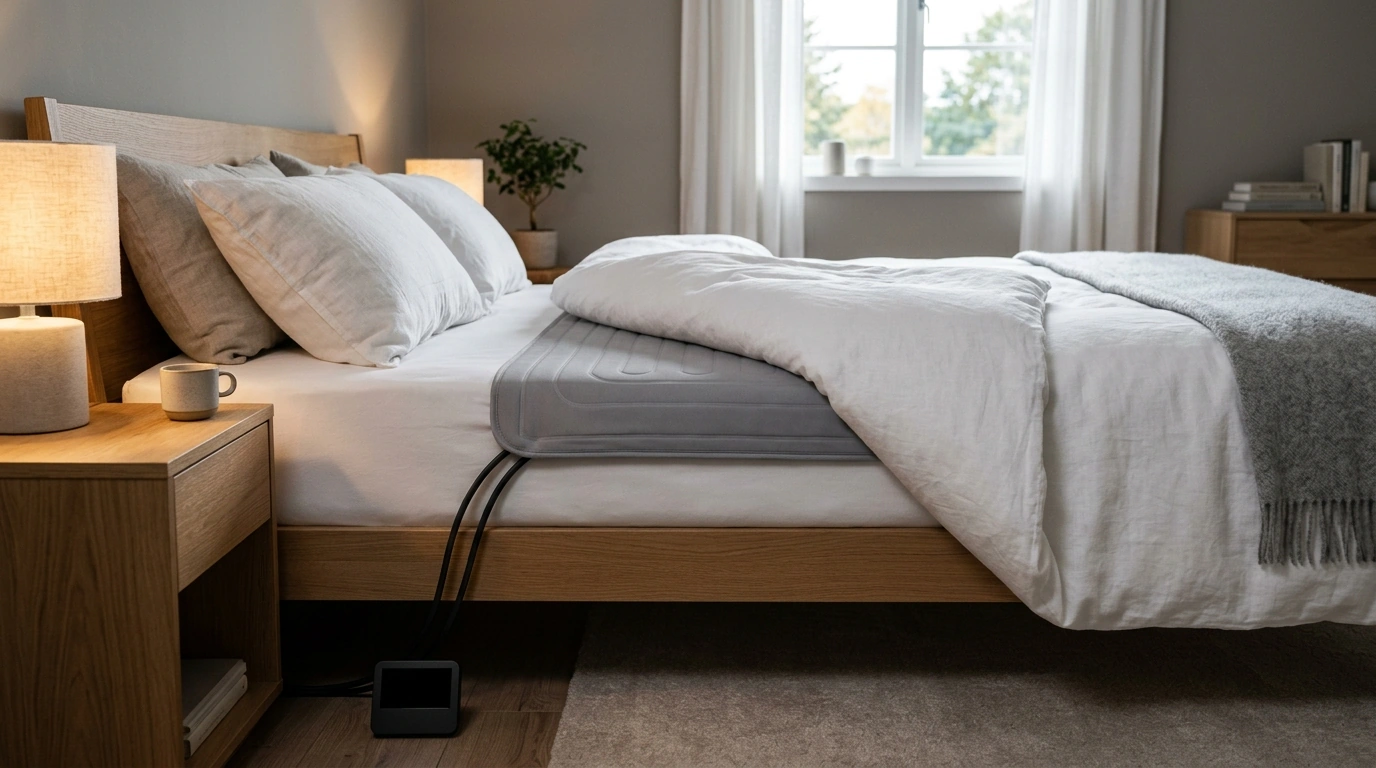
Water Circulation Heating Mattress with Thermostat Control: Even Warmth for Cold Nights and Temperature Swings
A steady, comfortable bed temperature can be the difference between tossing and actually resting. A water circulation heating mattress with thermostat control is designed to deliver gentle, even warmth across the sleep surface—without the hot spots that can happen with basic heating pads. Our team put together this guide to explain how this type of system works, who it fits best, and how to set it up so you can settle into a consistent, comfortable sleep routine.
What a water-circulation heating mattress is (and why it feels different)
Instead of warming one small area, a water-circulation heating mattress layer moves warm water through internal channels so heat spreads more evenly across the bed. That circulation is what creates the “stable warmth” feel: less like a single warm patch and more like the whole surface has gently come up to temperature.
Thermostat control is the other big difference. Rather than choosing “low/medium/high” and hoping it stays comfortable, you set a target temperature and the system works to hold it more consistently. This can be especially helpful when your room is cool but heavy blankets feel restrictive—or when you start the night cold and end up overheating later.
Who this mattress style is made for
Water-circulation warmth tends to work best for people who want comfort that’s controlled and repeatable night after night. You may be a good fit if:
- You’re a cold sleeper who wakes up chilly even under thicker bedding.
- You deal with nighttime temperature swings and want adjustable, fine-tuned warmth.
- You share a bed and prefer the sleep surface to feel consistently warm instead of “warm at first, then cold.”
- Your bedroom runs cold due to season, drafts, or lower thermostat settings overnight.
- You want a gentler alternative to high-heat contact warmers that can create hot spots.
Thermostat control: what to look for in everyday use
In real life, adjustability matters more than extreme heat. Small changes can feel significant once you’re under blankets, so the goal is to find a set point you can stick with. Consistency is the comfort feature: when your bed isn’t cycling between “too warm” and “too cold,” your sleep tends to feel less interrupted.
One practical habit we recommend is a two-step routine: pre-warm the bed, then lower the temperature slightly once you’re in. You’ll still feel cozy at the start, but you reduce the chance of waking up overheated at 2 a.m. If your sensitivity changes with the seasons, plan for a higher winter set point and a lower shoulder-season set point.
| Goal | Before bed | Overnight | When to adjust |
|---|---|---|---|
| Get into a warm bed fast | Set warmer 20–40 minutes before sleep | Lower slightly after getting in | If waking up warm, reduce by a small step |
| Stay evenly warm all night | Set moderate 10–20 minutes before sleep | Keep steady | If waking up chilly, increase by a small step |
| Handle temperature swings | Start moderate | Adjust in small steps only when needed | If swings repeat nightly, shift the baseline temperature |
Setup and placement: getting the most even heat
- Lay the heating mattress layer flat and smooth so circulation channels aren’t folded or compressed.
- Keep the control unit on a stable surface with reasonable airflow and easy access, so you can adjust settings without fuss.
- Use a fitted sheet over the heated layer (as the instructions recommend) for a comfortable sleep surface.
- Avoid stacking overly thick toppers above the heated layer if they block warmth from reaching you efficiently.
- For shared beds, aim for balanced bedding: enough insulation to feel cozy, but not so much that you can’t fine-tune comfort with the thermostat.
Comfort and bedding compatibility tips
Energy and safety basics to keep in mind
If you have reduced heat sensitivity or specific medical concerns, prioritize conservative settings and confirm suitability with a clinician. For general bedroom comfort context, the National Sleep Foundation discusses how sleep performance can relate to temperature and environment (Best Temperature for Sleep). For broader heated bedding safety habits, UL Solutions shares practical tips that apply to many warming products (Electric Blanket Safety Tips).
Care and maintenance: keeping performance consistent
Why choose water circulation instead of a standard heated pad
Product options available at Uniqualle
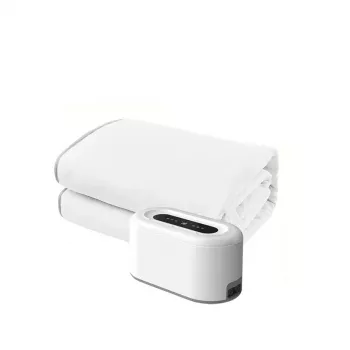
- Water Circulation Heating Mattress with Thermostat Control — designed to deliver controlled, even warmth with adjustable settings for seasonal changes and personal preference.
- Beige Travertine U-Shape Sculpture – Modern Stone Decor for Home Interiors — a simple way to finish a calm bedroom vibe on a nightstand or dresser while you focus on comfort upgrades that matter most.
FAQ
How warm should a water circulation heating mattress be set at night?
Start at a moderate setting, pre-warm the bed before you get in, then lower the temperature slightly for sleep. Make small adjustments over a few nights until you find a stable set point that keeps you comfortable without overheating.
Can this be used with a mattress topper or protector?
In many setups, yes, but thick or highly insulating toppers can reduce heat transfer and make warmth feel less even. If you add a layer, prioritize thinner, breathable materials and keep the heated layer flat and uncompressed.
Is water circulation heating safer or more comfortable than electric heated pads?
Many people find water circulation more comfortable because it can provide more even warmth and fewer localized hot spots. For safety, focus on good habits like proper placement, avoiding folding during use, and keeping cords/controller positioned to prevent pinching or damage.












Leave a comment